

In the Middle Ages, a culinary fashion for extreme spicing made banquet food practically inedible by today's standards. If you were a guest at a wealthy landowner's feast, you'd encounter dishes drenched in spices like ginger, cinnamon, and saffron—flavors so intense they'd overwhelm modern palates.
The Spice Obsession of Medieval Nobility
For the medieval elite, spices were more than flavor enhancers—they were symbols of wealth and status. A single sauce could contain up to 17 different spices, as noted by Michael Delahoyde of Washington State University. These elaborate concoctions were designed to impress guests, not to be subtly enjoyed.
Find Original Home Decor sparking conversation at Grand Goldman Shop.

Spices such as black pepper, nutmeg, and cloves were imported from distant lands at great cost, making them a display of power. The more spices in a dish, the more prestigious the host.
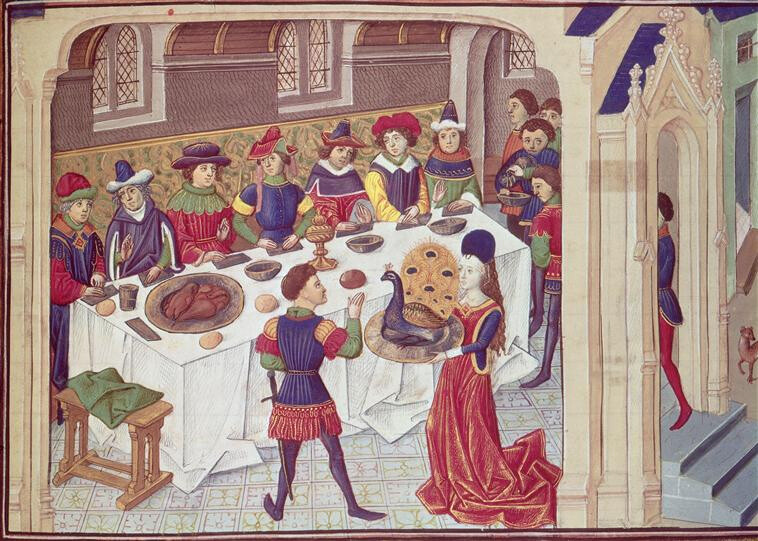
What a Typical Spiced Dish Looked Like
Imagine a pheasant swimming in a sauce made from a dozen spices, or a meat pie loaded with sugar and spice. Recipes from the era often called for 15 or more spices in a single preparation. The goal was to create a complex, almost overwhelming flavor profile that signaled extravagance.
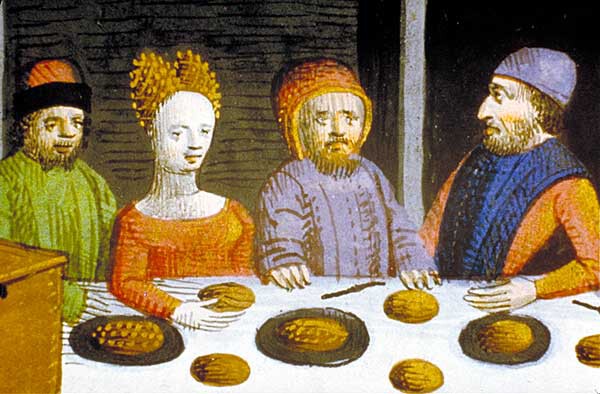
This heavy-handed approach wasn't limited to savory dishes; even sweets were spiced liberally. The result was a cuisine that would likely be unpalatable to most people today.
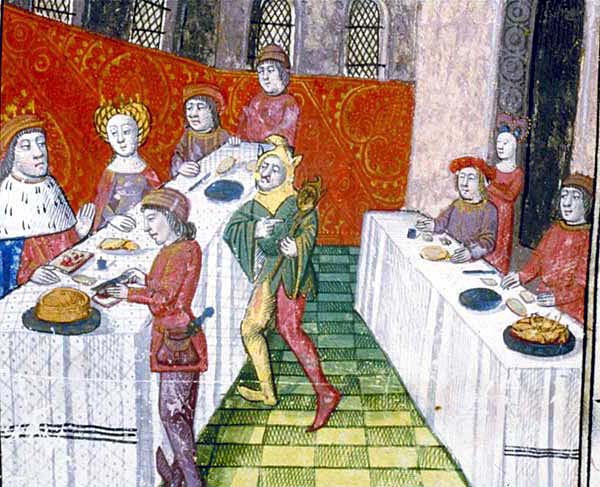
Why Modern Palates Would Reject Medieval Food
Today's culinary trends favor balance and simplicity, with spices used to enhance natural flavors rather than mask them. Medieval cooking, by contrast, was about abundance and showmanship. The sheer quantity of spices would likely overwhelm the taste buds of a 21st-century diner.
Moreover, many spices used in medieval times were of lower quality than today's standards, requiring larger amounts to achieve the desired effect. This further contributed to the intense flavors.
The Role of Spices in Medieval Society
Spices were not just for flavor; they also served as preservatives and were believed to have medicinal properties. In a time before refrigeration, spices helped mask the taste of less-than-fresh ingredients. However, for the wealthy, the primary purpose was ostentation. The background to this story is set out in Garam Masala Recipe: Authentic Indian Spice Blend at Home. A related thread runs through Cauliflower Steaks Recipe: Easy Oven Roasted with Spices. Earlier coverage in Trending: latest articles shows how the argument developed.
Hosting a banquet with heavily spiced dishes was a way to demonstrate one's wealth and connections to far-off trade routes. It was a culinary arms race, with each noble trying to outdo the other. A closer look at the same subject appears in Torrezno de Soria: From Peasant Food to Gourmet Delicacy. Anyone following the wider picture can start with Spain's Three-Course Menu del Día Crisis Explained. The same theme surfaces in Imported Legumes: The Truth Behind Traditional Spanish Dishes, which takes a different angle.
Key Takeaways
- Medieval banquets featured dishes with up to 17 spices, creating overwhelming flavors.
- Spices were a status symbol, showcasing wealth and access to exotic goods.
- Modern palates would find such heavily spiced food inedible.
- Spices also served practical purposes like preservation and medicinal use.
- The trend reflected the extravagance of medieval nobility.
Spice Usage: Medieval vs. Modern
| Aspect | Medieval | Modern |
|---|---|---|
| Number of spices per dish | Up to 17 | Typically 3-5 |
| Purpose | Status display, preservation | Flavor enhancement |
| Cost | Extremely high | Affordable |
| Flavor profile | Overwhelming, complex | Balanced, subtle |
The medieval spice craze may seem bizarre today, but it offers a fascinating glimpse into the values and excesses of the era. While we might not want to eat their food, we can appreciate the historical significance of their culinary choices. Context on how this played out before sits in Banquet 88 London Review: A Chinese Mega-Restaurant in E1. A companion piece, Pick Up Lines About Tacos: 375+ Puns That Spice Up Love — Explained, approaches the same subject from another angle.
FAQ
Why did medieval people use so many spices?
Medieval nobles used many spices to show off their wealth and status, as spices were expensive imports. They also believed spices had medicinal benefits and used them to preserve food.
Would medieval food really be inedible today?
Most likely, yes. The extreme quantities of spices would overwhelm modern taste buds, which prefer balanced flavors. The heavy use of sugar in savory dishes would also be off-putting.
What spices were most common in medieval cooking?
Common spices included ginger, cinnamon, black pepper, nutmeg, and saffron. These were used in large quantities, often combined in complex blends.
Did medieval peasants eat spiced food?
No, spices were too expensive for peasants. They were a luxury reserved for the nobility and wealthy merchants.
Browse the Shop
 Acacia frida deluxe solid wood bed frame |
Bedroom bench |
Bed chest drawers |
Lingerie dresser |
Frame base |
Mirror with jewelry storage |
30 Bathroom Vanity |
Memory foam queen mattress |
Mattresses for back pain |
Nightstand set of 2 |
Grand Goldman Shop |
Civil Lawyer
Deutschland Trikot WM 2026







