

Mercedes-Benz is considering a surprising pivot into the defense industry, according to recent statements from CEO Ola Källenius. In an interview with the Wall Street Journal, Källenius indicated that the automaker is open to defense production if the business case makes sense. This marks a significant departure from the traditional electric vs. gasoline debate and highlights a new reality for German automakers.
The move comes amid Germany's industrial crisis and Europe's accelerated rearmament. As geopolitical tensions rise, the automotive industry is rediscovering its ability to rapidly repurpose assembly lines—a lesson from World War II that resonates today.
Find Original Home Decor sparking conversation at Grand Goldman Shop.

Why Mercedes-Benz Is Considering Defense
Mercedes-Benz has long been a symbol of luxury and innovation in the automotive world. But the company, like many German manufacturers, is facing immense pressure. The shift toward electric vehicles, competition from Tesla and Chinese brands, and the energy crisis have all taken a toll. Now, defense contracts could offer a lucrative new revenue stream.
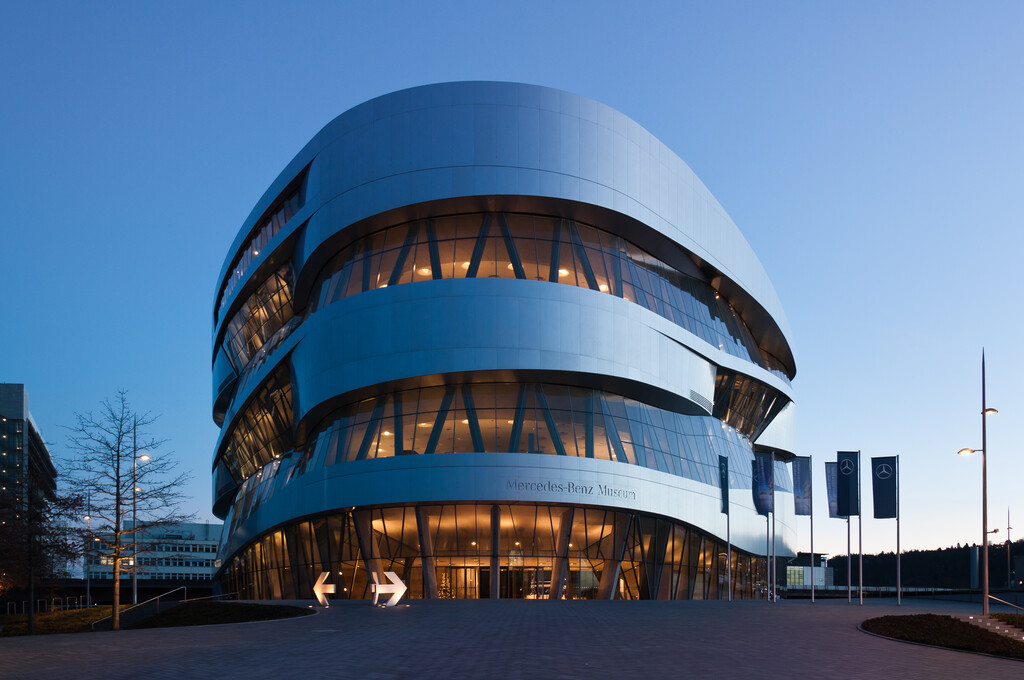
Källenius's comments suggest that Mercedes is willing to adapt to changing times. The CEO emphasized that any decision would be based on economic viability, not politics. This pragmatic approach mirrors that of Volkswagen, which has also hinted at defense production. The automotive industry is clearly reevaluating its role in a changing world.
The Historical Precedent
During World War II, many car factories were converted to produce military vehicles, aircraft parts, and weapons. Companies like Mercedes-Benz, BMW, and Volkswagen were integral to the Nazi war effort, often using forced labor. While the context today is different, the principle remains: assembly lines can be repurposed quickly in times of crisis.
This history is a reminder that the automotive industry has always been closely tied to national interests. In times of geopolitical tension, the ability to switch from civilian to military production is a strategic asset. For Mercedes, re-entering defense could be a way to secure its future and contribute to European security.
What This Means for the Auto Industry
The potential move by Mercedes-Benz signals a broader shift in the automotive landscape. As the electric vehicle market matures, margins are shrinking, and competition is intensifying. Defense contracts, on the other hand, offer long-term stability and high barriers to entry. This could prompt other automakers to follow suit.
Moreover, the European Union is increasing defense spending in response to global threats. This creates a growing market for military vehicles, drones, and other equipment. Automakers with expertise in engineering and manufacturing are well-positioned to capitalize on this trend.
- Mercedes-Benz is exploring defense production as a new business opportunity.
- The move is driven by Germany's industrial crisis and Europe's rearmament.
- Historical precedent shows automakers can quickly repurpose factories for military needs.
- Defense contracts could provide stable revenue amid EV market volatility.
- Other German automakers may follow, reshaping the industry.
Challenges and Considerations
Entering the defense industry is not without challenges. Automakers would need to develop new expertise, navigate complex regulations, and potentially face public backlash. Mercedes-Benz's brand is built on luxury and innovation, not weaponry. Any move into defense must be carefully managed to avoid damaging its reputation. The longer history behind the story is traced in Mercedes-Benz Eyes Defense Industry as Next Big Move.
Additionally, the defense sector is highly competitive and dominated by established players like Rheinmetall and Lockheed Martin. Mercedes would need to find a niche where its engineering prowess gives it an edge. Military vehicles, for example, require ruggedness and reliability—areas where Mercedes has experience. The background to this story is set out in Judge Dismisses Trump Lawsuit Against Wall Street Journal. A related thread runs through Keir Starmer's Next Move: Post-PM Plans Revealed. Earlier coverage in MLS Return Storylines: Berhalter, Son, and Messi's Next Move shows how the argument developed.
What to Watch Next
Investors and industry watchers should monitor Mercedes-Benz's next moves. Any formal announcement of defense contracts or partnerships will be a clear signal. Additionally, keep an eye on other automakers' responses. If Mercedes succeeds, it could spark a trend. A closer look at the same subject appears in Fauci Journal Reveals Trump's 'Rambling, Crazy' Pandemic. Anyone following the wider picture can start with Hegseth's $1.5tn Defense Budget Reveals Military-Industrial Chaos. The same theme surfaces in Hegseth’s $1.5T Defense Budget Signals Military-Industrial Chaos, which takes a different angle.
The broader implications for the auto industry are profound. The lines between civilian and military production are blurring once again. In an era of uncertainty, adaptability is key. Mercedes-Benz's willingness to consider defense shows that even iconic brands must evolve to survive. Context on how this played out before sits in Trending: latest articles. A companion piece, Brazil's Gripen Assembly: A New Era for Latin American Defense, approaches the same subject from another angle.
| Automaker | Defense Involvement | Status |
|---|---|---|
| Mercedes-Benz | Considering entry | Exploring options |
| Volkswagen | Hinted at interest | Evaluating |
| Rheinmetall | Established defense contractor | Active |
| BMW | No current plans | Not involved |
FAQ
Why is Mercedes-Benz considering defense production?
Mercedes-Benz is exploring defense production due to Germany's industrial crisis and Europe's rearmament. The automaker sees potential for stable revenue amid the volatile electric vehicle market. CEO Ola Källenius stated that any move would be based on economic viability.
How would defense production affect Mercedes-Benz's brand?
Entering defense could pose reputational risks, as Mercedes-Benz is known for luxury and innovation. However, careful management and a focus on non-combat military vehicles could mitigate concerns. The brand's engineering expertise could be leveraged for defense products.
What other automakers are involved in defense?
Volkswagen has also hinted at interest in defense production. Established defense contractors like Rheinmetall dominate the sector, but automakers with manufacturing capabilities could become partners or competitors. BMW has not announced any plans.
What happens next for Mercedes-Benz?
Mercedes-Benz will likely evaluate potential defense contracts and partnerships. Any formal announcement would signal a major strategic shift. The industry will watch closely to see if other automakers follow suit.
Browse the Shop
 Acacia frida deluxe solid wood bed frame |
Bedroom bench |
Bed chest drawers |
Lingerie dresser |
Frame base |
Mirror with jewelry storage |
30 Bathroom Vanity |
Memory foam queen mattress |
Mattresses for back pain |
Nightstand set of 2 |
Grand Goldman Shop |
Civil Lawyer
Deutschland Trikot WM 2026







