

NATO has designed a plan to turn any Russian invasion into the most expensive traffic jam on the planet, according to the alliance's top military commander. The strategy, unveiled at the Warsaw Security Forum, aims to block, blunt, and break enemy forces, making any incursion prohibitively costly.
General Alexus Grynkewich, NATO's Supreme Allied Commander Europe, outlined what he calls the alliance's "theory of victory." The approach focuses on stopping an initial offensive, slowing down troop advances, and systematically destroying the military infrastructure that sustains an operation. This marks a shift from traditional defense postures, emphasizing deterrence through denial and cost imposition.
Find Original, High-end Home Decor that spark conversation at Grand Goldman Shop.

What NATO's New Strategy Actually Means
The core idea is to prevent an adversary from achieving quick territorial gains. If the attacker persists, NATO forces would dismantle the military structure supporting the operation until it becomes unsustainable. This involves a combination of conventional forces, advanced technologies, and innovative tactics.
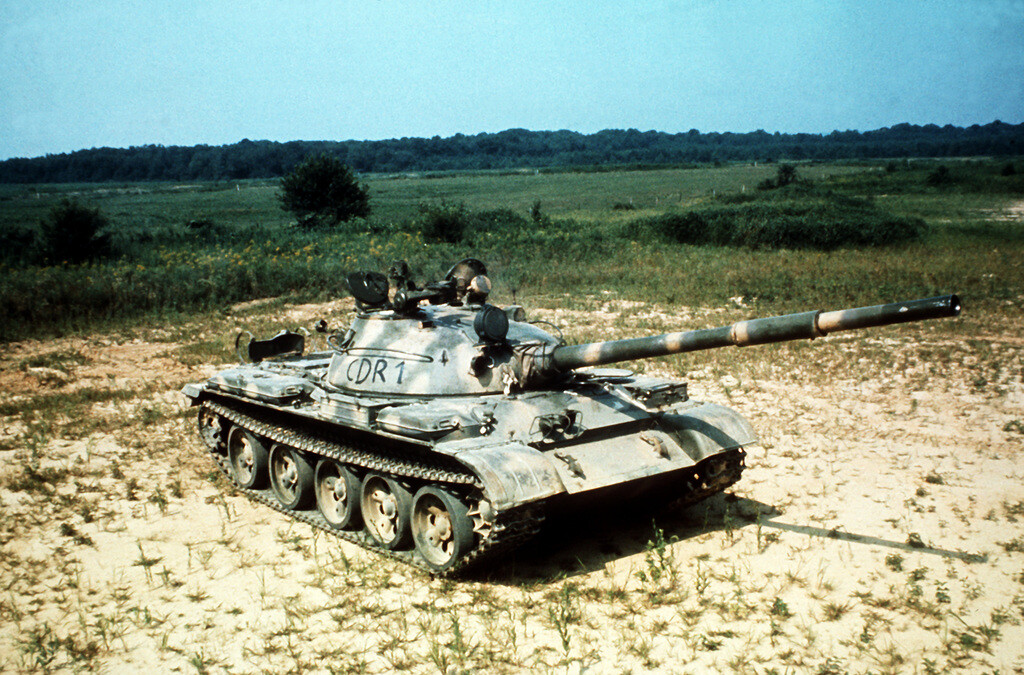
Grynkewich's plan leverages drones, robots, and other unmanned systems to create a vast defensive zone. These assets would be used to detect, delay, and disrupt advancing forces, buying time for reinforcements and making every kilometer of advance a costly endeavor.
The Three Phases: Block, Blunt, Break
Block involves establishing a barrier to halt invading forces before they can consolidate positions. This phase relies on a layered defense network, including anti-tank obstacles, minefields, and precision-strike capabilities.
Blunt focuses on slowing the enemy's momentum through constant harassment and attrition. Break aims to destroy the logistical and command infrastructure that enables the invasion to continue, rendering the entire operation futile.
Why This Strategy Matters for Global Security
This approach signals NATO's commitment to defending its eastern flank and deterring Russian aggression. By making an invasion extremely costly, the alliance hopes to dissuade Moscow from even considering such an action. It also reassures member states that NATO is prepared for emerging threats.
Moreover, the strategy reflects lessons learned from recent conflicts, where logistics and technology play decisive roles. The emphasis on unmanned systems and decentralized operations indicates a move towards more agile and resilient forces. The longer history behind the story is traced in Russia's Remote-Controlled Terminator: T-72 Tank With Twin Autocannons.
Key Takeaways from NATO's Plan
- Deterrence through cost imposition: The strategy aims to make any invasion so expensive that it becomes untenable.
- Technology-driven defense: Drones, robots, and other unmanned systems are central to creating a resilient defensive network.
- Logistics as a target: Destroying supply lines and command structures is as important as defeating enemy troops.
- Agility and adaptability: The plan emphasizes decentralized operations and rapid response to counter evolving threats.
Comparison of Traditional vs. New NATO Strategy
| Aspect | Traditional Defense | New Strategy (Block, Blunt, Break) |
|---|---|---|
| Primary Goal | Hold territory at all costs | Impose unsustainable costs on attacker |
| Key Assets | Heavy armor, static fortifications | Drones, robots, precision munitions |
| Focus | Frontline combat | Disrupting logistics and command |
| Approach | Centralized command | Decentralized, agile operations |
What to Watch Next
Implementation will require significant investment in technology and infrastructure. NATO members will need to integrate unmanned systems into their forces and develop new tactics. The alliance must also ensure interoperability among member states' forces. The background to this story is set out in NATO Defends Territory After Russian Missile Hits Poland. A related thread runs through NATO Defense Measures After Russian Missile in Poland. Earlier coverage in Europe's War Readiness and NATO Defense Challenges shows how the argument developed.
Russia's response to this strategy remains uncertain. Moscow may seek to develop countermeasures or increase its own military buildup. The coming years will reveal whether this approach effectively deters aggression. A closer look at the same subject appears in NATO Foils Russian Undersea Cable Sabotage Drill in Arctic. Anyone following the wider picture can start with Ukraine War Briefing: No NATO Membership for Kyiv, Says. The same theme surfaces in Europe Fears Russia Preparing to Test NATO Limits, which takes a different angle.
As geopolitical tensions persist, NATO's ability to adapt and innovate will be crucial. The "block, blunt, break" strategy represents a bold step in that direction, aiming to turn any invasion into a nightmare for the aggressor. Context on how this played out before sits in Ukraine Ballistic Missiles Could Strike Russia in Months. A companion piece, Ukraine NATO Membership Impossible, Says Ex-Military Chief, approaches the same subject from another angle.
FAQ
What is NATO's new "block, blunt, break" strategy?
It is a defensive concept aimed at stopping an initial invasion, slowing enemy advances, and destroying the military infrastructure needed to sustain an operation. The goal is to make any incursion prohibitively costly.
Who announced this strategy?
General Alexus Grynkewich, NATO's Supreme Allied Commander Europe, presented the strategy at the Warsaw Security Forum.
How does this affect NATO member states?
It reinforces the defense of the eastern flank and requires investment in new technologies and tactics. Member states will need to integrate unmanned systems and enhance interoperability.
What role does technology play in this plan?
Drones, robots, and other unmanned systems are central to creating a resilient defensive network that can detect, delay, and disrupt enemy forces.
Browse the Shop
 Acacia frida deluxe solid wood bed frame |
Bedroom bench |
Bed chest drawers |
Lingerie dresser |
Frame base |
Mirror with jewelry storage |
30 Bathroom Vanity |
Memory foam queen mattress |
Mattresses for back pain |
Nightstand set of 2 |
Grand Goldman Shop |
Civil Lawyer
Deutschland Trikot WM 2026










