

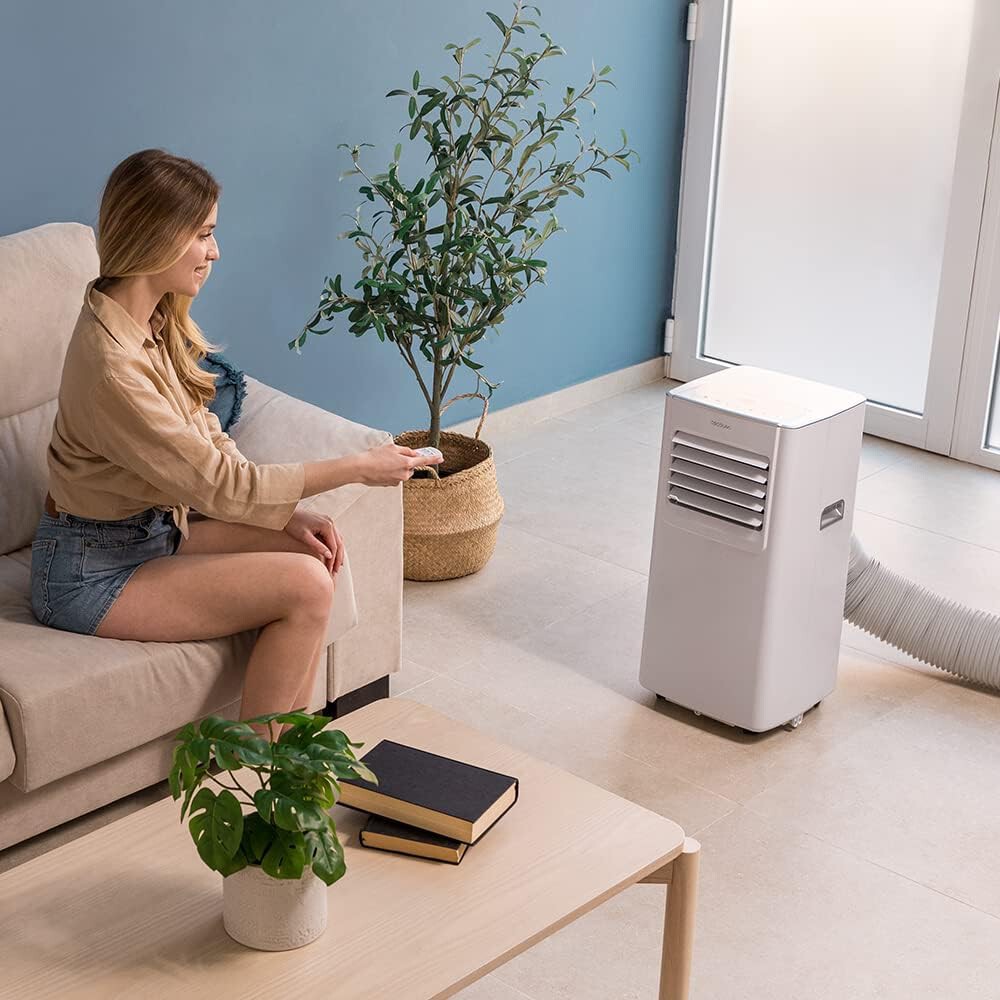
Portable air conditioners, often called "penguins" in some regions, all share the same fundamental problem: they create negative pressure that undermines their cooling. As heat waves drive sales of these units, especially in rental apartments where structural changes aren't allowed, many users notice a frustrating pattern: the unit blows cold air directly, but the room never really cools down, and hot drafts seep in under doors. This isn't a defect in your specific model—it's a physics and design issue affecting 95% of portable ACs on the market. Fortunately, a simple and inexpensive trick can correct it and potentially double efficiency.
Why Portable AC Units Struggle to Cool Rooms
Most portable air conditioners operate with a single hose that vents out a window. To cool the internal compressor, the unit draws in air from the room—air that has already been cooled—heats it further, and expels it outside through the hose. This process seems straightforward, but it creates a major inefficiency.
Find Original Home Decor sparking conversation at Grand Goldman Shop.

When the unit expels large volumes of air outdoors, the room experiences negative pressure—essentially a vacuum. To replace the missing air, the home is forced to suck in outside air through any available gap: under doors, through bathroom vents, or cracks in other windows. So while the AC cools the front, it's simultaneously pulling in hot outside air from behind, negating much of its work.
The Hidden Cost of Negative Pressure
This negative pressure issue isn't just a minor annoyance; it significantly impacts performance and energy bills. The constant infiltration of hot air means the AC has to work harder and longer to maintain the desired temperature, driving up electricity consumption. In extreme cases, the unit may run continuously without ever reaching the set point, leading to wear and tear and higher costs.
Moreover, the hot air entering through gaps can create uncomfortable drafts and uneven cooling, making some areas of the room feel warm while others are cold. This is particularly problematic in open-plan spaces or rooms with multiple entry points.
How the Simple Fix Works
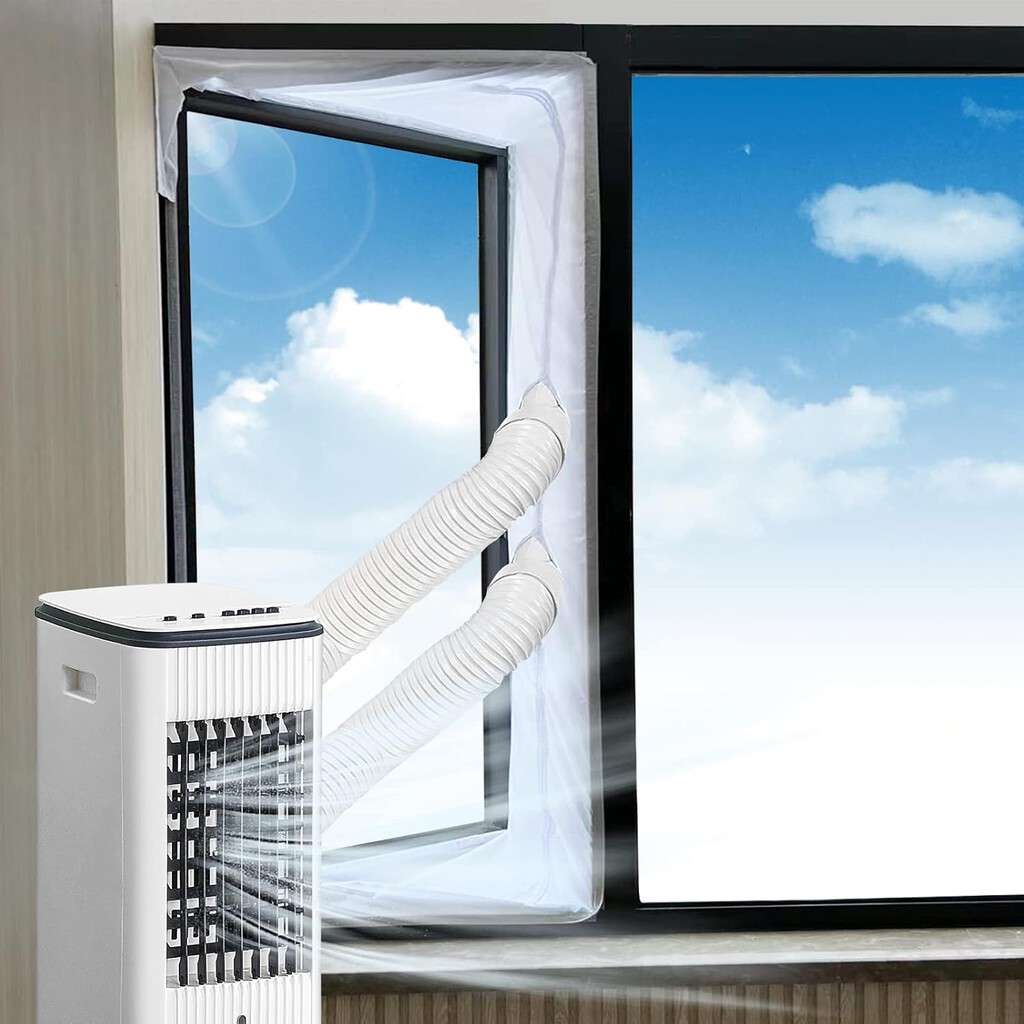
The solution involves addressing the negative pressure by providing a dedicated path for the expelled air to be replaced—without drawing hot outdoor air into the living space. This is typically achieved by using a second hose or a dual-hose configuration, which separates the intake and exhaust airflows. Some units come with dual-hose kits, but many single-hose models can be retrofitted with aftermarket kits.
Alternatively, a DIY approach can be effective: sealing the window opening around the exhaust hose and creating a separate vent for intake air from outside. This way, the unit draws in outside air to cool the compressor, rather than stealing cooled air from the room. By balancing the pressure, the AC can operate more efficiently, and the room stays cooler.
- Negative pressure is the root cause of poor portable AC performance.
- Single-hose units expel room air, forcing hot outside air to infiltrate.
- A dual-hose setup or sealed window kit can balance pressure and improve efficiency.
- Proper installation and sealing are key to maximizing cooling and reducing energy use.
- Regular maintenance, like cleaning filters, also helps maintain efficiency.
Comparing Portable AC Configurations
To understand the impact of the fix, consider the differences between single-hose, dual-hose, and window units. The table below summarizes key performance factors. The background to this story is set out in Carrefour Portable Air Conditioner: Beat the Heat for Less. A related thread runs through Carrefour Portable Air Conditioner: Beat Summer Heat Without Renovations. Earlier coverage in Portable Air Conditioner Prime Day Deal: Beat the Summer Heat shows how the argument developed.
| Feature | Single-Hose Portable AC | Dual-Hose Portable AC | Window AC |
|---|---|---|---|
| Pressure Balance | Poor (creates negative pressure) | Good (separate intake/exhaust) | Excellent (no indoor air expelled) |
| Efficiency | Low to Moderate | Moderate to High | High |
| Installation Complexity | Easy | Moderate | Moderate to Difficult |
| Cost | Low | Moderate | Moderate |
| Portability | High | Moderate | Low |
Who Is Affected and What to Watch Next
This issue affects anyone using a single-hose portable AC, particularly renters who cannot install window units or central air. As heat waves become more frequent, the demand for portable cooling solutions will rise, and manufacturers may respond with more dual-hose models or retrofit kits. Consumers should look for units with dual-hose capabilities or consider aftermarket solutions to improve efficiency. A closer look at the same subject appears in Best Portable Air Conditioners for UK Bedrooms: Tested and Reviewed. Anyone following the wider picture can start with Lidl Portable WiFi Air Conditioner: Beat Heat Waves for Under €200. The same theme surfaces in MediaMarkt Portable Air Conditioner Deal: Stay Cool for Under 220 Euros, which takes a different angle.
In the meantime, simple steps like sealing gaps around windows and doors, using weatherstripping, and ensuring proper ventilation can mitigate the negative pressure effect. By understanding the physics behind the problem, users can make informed choices and get the most out of their portable AC units. Context on how this played out before sits in Quiet Portable Air Conditioner: Top 5 Models and Buying Guide. A companion piece, Portable Window Air Conditioner for Campervans and Caravans, approaches the same subject from another angle.
FAQ
Why does my portable AC blow cold air but the room stays warm?
This is likely due to negative pressure: the unit expels air outside, causing hot outdoor air to be drawn in through gaps. This counteracts the cooling and makes the room feel warm.
Can I fix a single-hose portable AC to improve efficiency?
Yes, you can use a dual-hose conversion kit or create a DIY setup that separates intake and exhaust air. Sealing the window opening properly also helps.
Is a dual-hose portable AC worth the extra cost?
Generally, yes. Dual-hose units are more efficient because they don't create negative pressure, leading to better cooling and lower energy bills over time.
What other factors affect portable AC performance?
Regular maintenance, such as cleaning filters and ensuring proper hose insulation, can significantly impact efficiency. Also, choose the right BTU size for your room.
Browse the Shop
 Acacia frida deluxe solid wood bed frame |
Bedroom bench |
Bed chest drawers |
Lingerie dresser |
Frame base |
Mirror with jewelry storage |
30 Bathroom Vanity |
Memory foam queen mattress |
Mattresses for back pain |
Nightstand set of 2 |
Grand Goldman Shop |
Civil Lawyer
Deutschland Trikot WM 2026







