

Russia sanctions evasion has found an unlikely ally: the neighborhood supermarket. According to a Politico report, Russian supermarket chains operating in Germany are being used as front lines to ship sensitive goods to Russia, bypassing EU restrictions.
This shadowy network exploits the efficiency of international postal systems to move items that could support Russia's military efforts. The story reveals a gap in the enforcement of sanctions imposed after the 2022 invasion of Ukraine.
Find Original Home Decor sparking conversation at Grand Goldman Shop.

How Russia Sanctions Evasion Works Through Supermarkets
The scheme is surprisingly simple. Russian-owned supermarkets in Germany serve as collection points for packages destined for Russia. These packages often contain advanced electronics, industrial components, and other sensitive items that are banned under EU sanctions.
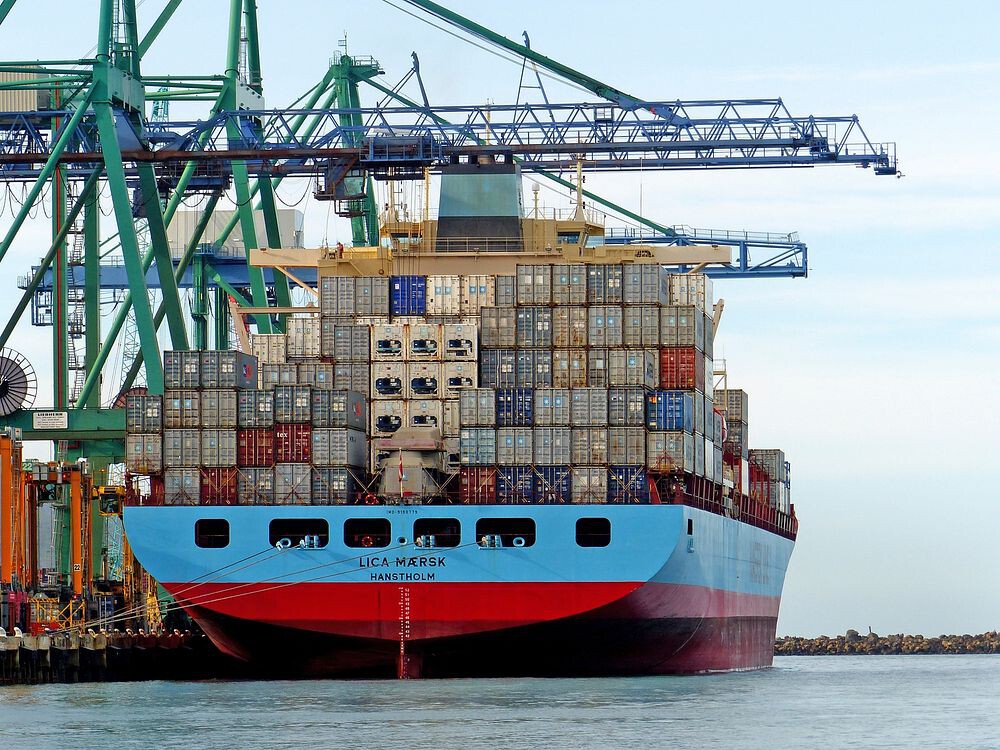
By using everyday retail locations, the network blends in with ordinary commercial activity. The packages are then sent through international mail or courier services, which have simplified customs procedures and risk-based inspections.
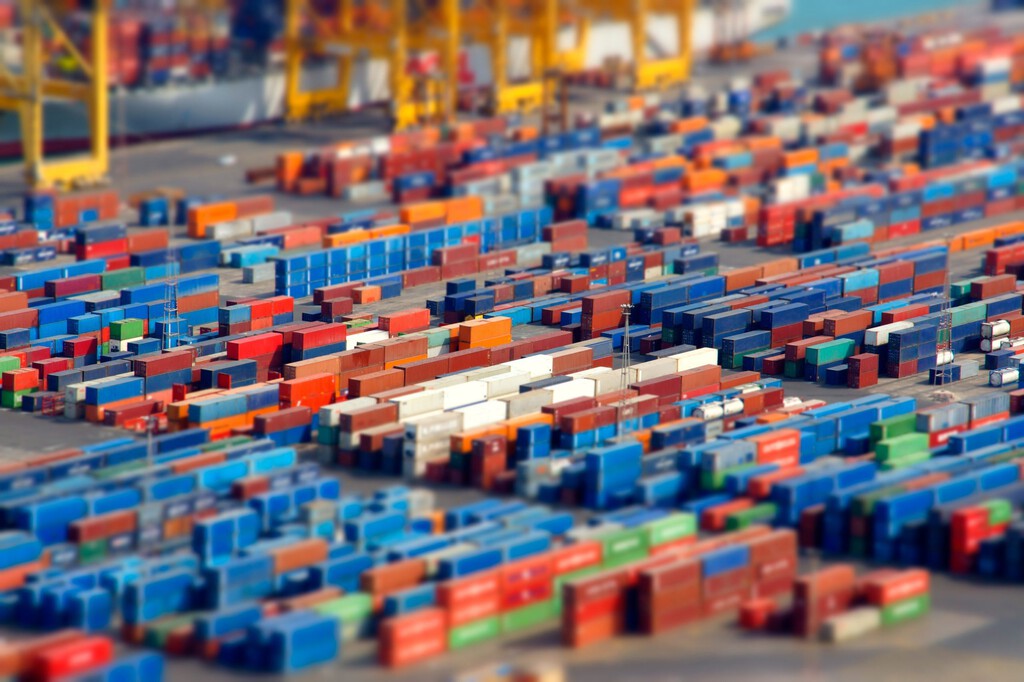
This method takes advantage of the sheer volume of global parcel traffic—over 400 billion packages annually—making it difficult for authorities to inspect every shipment.
Why This Matters: The Impact on EU Sanctions
The EU has implemented one of the broadest sanctions regimes in history, aiming to isolate Russia economically and hinder its access to technology that could fuel its war machine. Advanced electronics, sensitive components, and certain industrial equipment are theoretically blocked.
However, the practical application of these restrictions is challenging. The more complex the sanctions system, the more inventive the evasion routes become. The supermarket channel is a stark example of this cat-and-mouse dynamic.
If such loopholes persist, they could undermine the effectiveness of sanctions and prolong the conflict in Ukraine. It also raises questions about the oversight of foreign-owned businesses within the EU.
Key Takeaways
- Russian supermarkets in Germany are allegedly used as hubs for shipping sensitive goods to Russia.
- The network exploits gaps in international postal systems and risk-based customs inspections.
- EU sanctions on advanced technology are being circumvented through everyday retail channels.
- This evasion undermines efforts to isolate Russia economically and could prolong the war in Ukraine.
- Authorities face challenges in monitoring the massive volume of global parcel traffic.
Comparison of Sanctions Enforcement Challenges
| Challenge | Description | Impact on Sanctions |
|---|---|---|
| Volume of packages | Over 400 billion packages shipped annually worldwide | Makes comprehensive inspections impossible |
| Risk-based inspections | Customs focus on high-risk shipments, but criteria may be gamed | Allows sensitive goods to slip through |
| Complex supply chains | Goods pass through multiple jurisdictions | Obscures end destination |
| Use of front businesses | Supermarkets provide cover for illicit trade | Blends illegal activity with legitimate commerce |
Who Is Affected and What to Watch Next
The implications extend beyond Germany. Other EU countries with Russian diaspora communities could see similar schemes. Authorities may need to increase scrutiny of Russian-owned businesses and improve coordination between customs agencies. The background to this story is set out in Russia's Ghost Fleet: From Oil Smuggling to Drone Warfare. A related thread runs through Ukraine Army Chief Vows Counteroffensive as EU Sanctions Russia. Earlier coverage in South Korea Oil Shipments to Russia Undermine Sanctions shows how the argument developed.
Consumers and legitimate businesses should be aware that seemingly ordinary transactions might be part of a larger illicit network. Reporting suspicious activities could help close these loopholes. A closer look at the same subject appears in Trump Pauses New Russia Sanctions Passed by Congress. Anyone following the wider picture can start with EU Sanctions Russia: Ukraine Defence Minister Refuses Role. The same theme surfaces in Trump's Russia Sanctions Pause Will Intensify War, Zelenskyy Warns, which takes a different angle.
Moving forward, watch for regulatory updates from the EU on export controls and enhanced monitoring of postal shipments. The effectiveness of sanctions depends on closing such gaps swiftly. Context on how this played out before sits in EU Deadlock on Russia Sanctions: Key Ukraine Talks Impact. A companion piece, EU Sanctions Russia in 21st Package, Ukraine Minister Refuses, approaches the same subject from another angle.
FAQ
What are the sanctions on Russia?
The EU and other Western countries have imposed extensive sanctions on Russia since 2022, targeting its financial sector, energy, defense, and access to advanced technologies. These measures aim to pressure Russia to end its war in Ukraine.
How do supermarkets facilitate sanctions evasion?
Russian-owned supermarkets in Germany allegedly act as collection points for packages containing sensitive goods. These packages are then shipped to Russia via international mail, exploiting simplified customs procedures.
What goods are being smuggled?
Reports indicate that advanced electronics, industrial components, and other dual-use items that could support Russia's military are being sent. These goods are banned under EU sanctions.
What can be done to stop this?
Authorities need to enhance monitoring of Russian-owned businesses, improve customs risk assessment, and increase cooperation across EU member states. Public awareness and reporting of suspicious activities can also help.







