

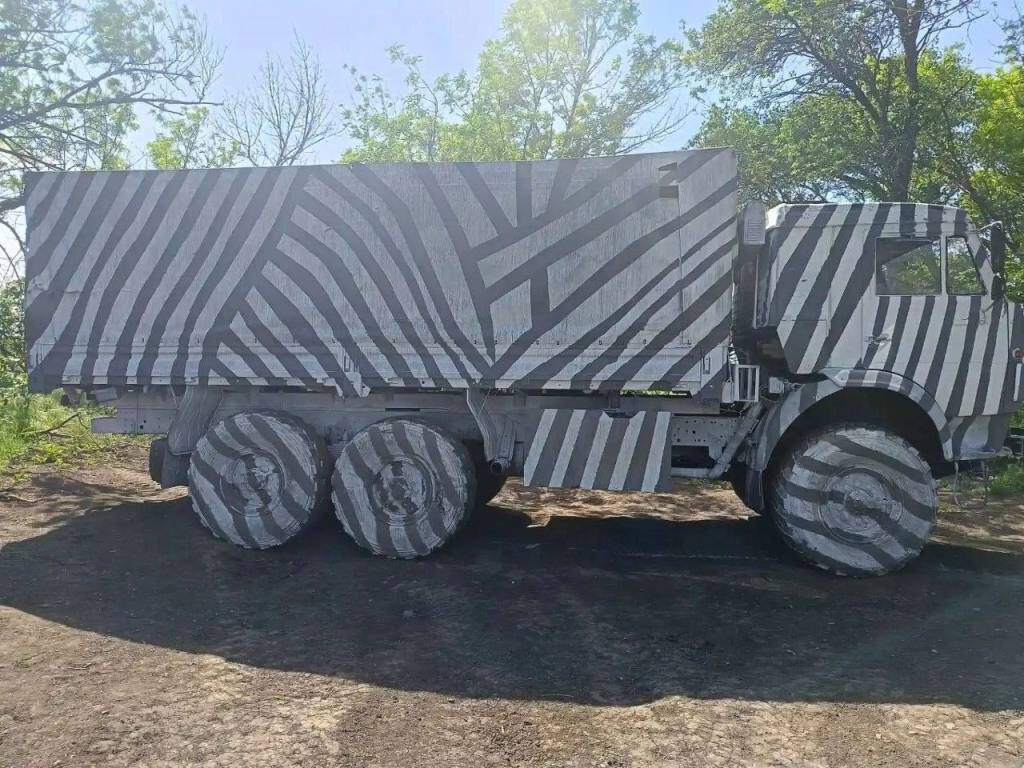
In the ongoing conflict in Ukraine, Russia's enemy is increasingly artificial intelligence, and in response, Russian forces are painting their tanks with patterns reminiscent of CAPTCHA challenges. This unusual tactic draws from a century-old camouflage technique but is now aimed at deceiving machine vision algorithms rather than human eyes.
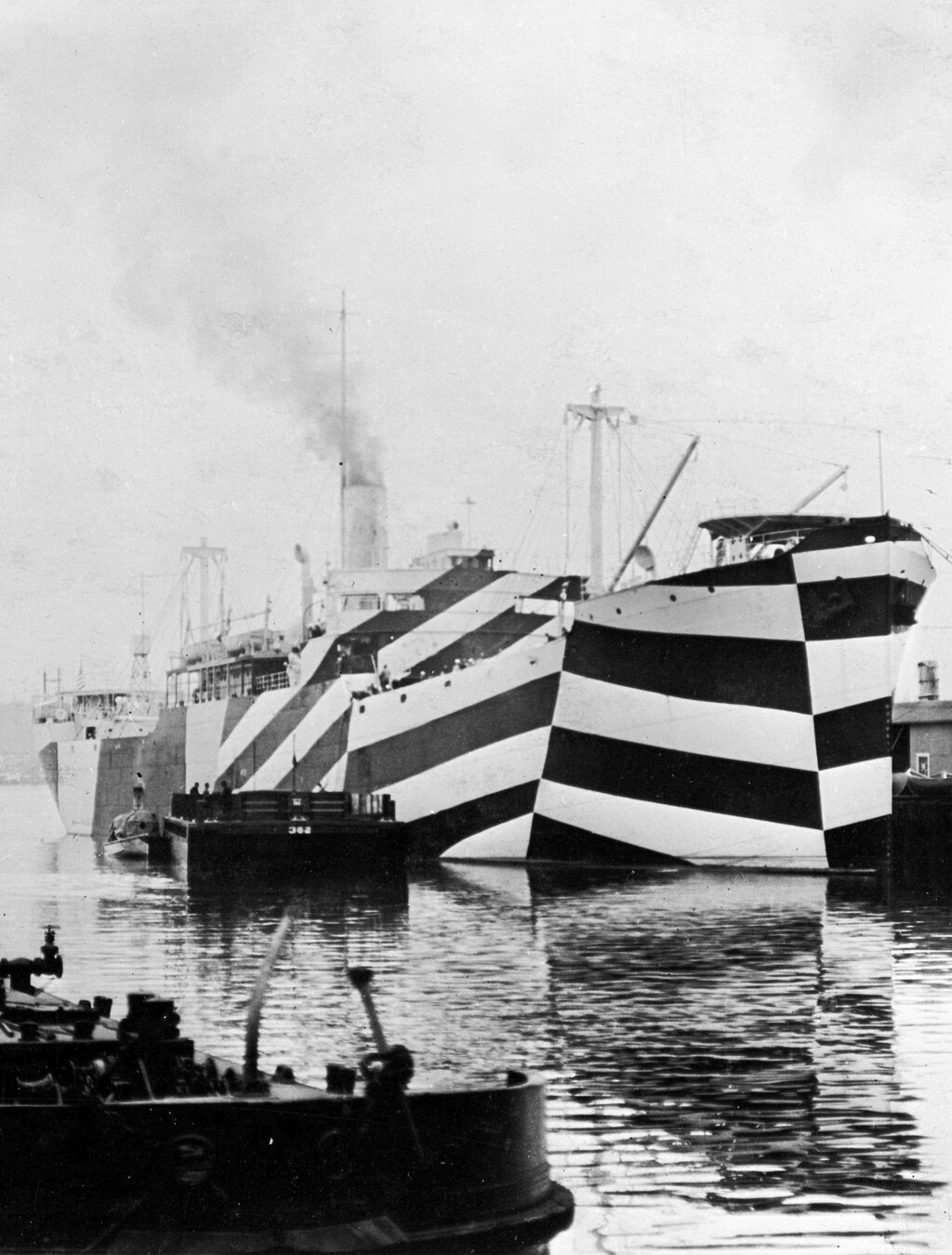
The scene echoes one of the most memorable strategies of World War I. In 1917, the British Navy began painting its ships with bold geometric shapes and stripes—a technique known as dazzle camouflage. Many thought it was madness, as it made ships more visible rather than hiding them. Yet the idea spread to thousands of vessels because it achieved something more important than concealment: it made it difficult for the enemy to know where to aim.
Find Original Home Decor sparking conversation at Grand Goldman Shop.

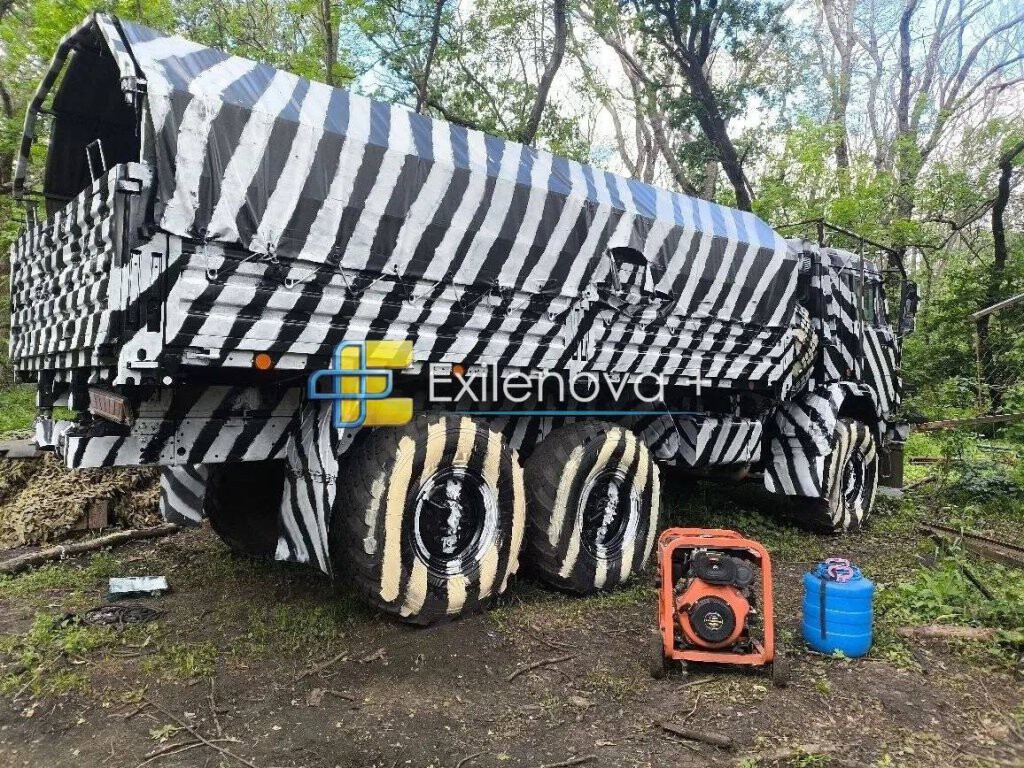
Now, Russia is reviving this technique for a completely different purpose. Its Ural and KAMAZ trucks are appearing covered in white and black geometric patterns, similar to those used by ships trying to confuse German submarines. But this time, the target of the deception is not a person peering through a periscope—it's an algorithm trained to recognize vehicles from the air.
The Rise of AI-Enabled Drones in Ukraine
The proliferation of Ukrainian drones equipped with computer vision systems is changing the rules of engagement. These devices no longer rely solely on a human operator; they can autonomously identify and track targets using onboard AI. This capability gives Ukraine a significant advantage, allowing for precise strikes deep behind enemy lines.
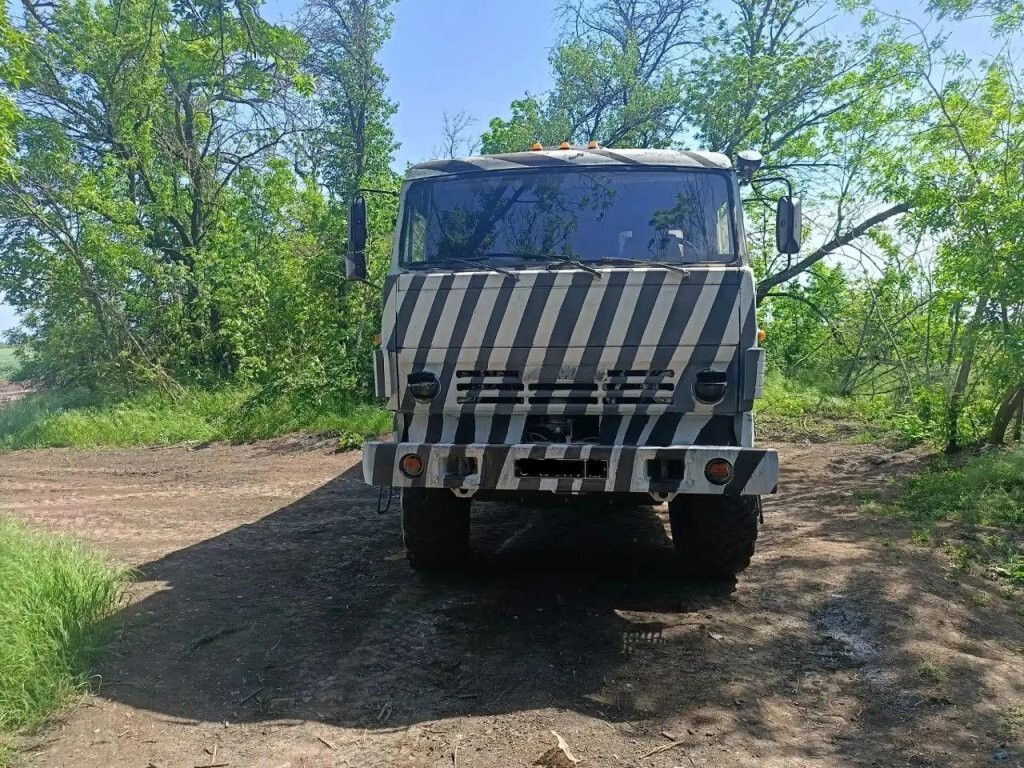
In response, Russia is adapting. The geometric patterns on vehicles are designed to confuse the AI's object detection models. By breaking up the visual signature of a truck or tank, the patterns make it harder for the algorithm to classify the object correctly. This is essentially a physical-world adversarial attack against machine learning systems.
How Machine Vision Works on the Battlefield
Machine vision systems on drones use convolutional neural networks (CNNs) to analyze video feeds in real time. These networks are trained on vast datasets of military vehicles, learning to recognize shapes, textures, and outlines. Once trained, they can detect and classify targets with high accuracy, even in cluttered environments.
However, these systems have vulnerabilities. They can be fooled by adversarial examples—inputs specifically designed to cause misclassification. The dazzle-like patterns on Russian vehicles exploit this weakness by introducing visual noise that disrupts the network's feature extraction. In essence, the patterns act like a CAPTCHA for AI, challenging the system to prove it's not a machine.
Why Dazzle Camouflage Works Against AI
Dazzle camouflage was never about invisibility; it was about confusion. The bold stripes and curves made it hard for submarine commanders to estimate a ship's speed, distance, and heading. Similarly, the geometric patterns on Russian vehicles are designed to confuse AI algorithms by distorting the visual cues they rely on.
For a machine vision system, a truck is defined by its edges, corners, and overall shape. The high-contrast patterns break up these features, making it difficult for the algorithm to piece together a coherent object. This can lead to false negatives (missing the target) or false positives (misidentifying a civilian vehicle as military), both of which degrade the effectiveness of drone strikes.
- Adversarial patterns can cause AI models to misclassify objects by introducing confusing visual elements.
- Dazzle camouflage from WWI is being repurposed to counter modern machine vision.
- Ukrainian drones with AI are forcing Russia to develop countermeasures like these patterns.
- Machine learning models are vulnerable to physical-world attacks that exploit their training data.
- The arms race between AI and counter-AI is escalating, with both sides innovating rapidly.
The Broader Implications for AI in Warfare
This development is part of a larger trend: the increasing use of AI in military operations and the corresponding efforts to counter it. As AI becomes more integrated into weapons systems, we can expect to see more attempts to deceive or disable these systems through physical and digital means.
The use of CAPTCHA-like patterns on vehicles is a low-tech solution to a high-tech problem. It highlights the fact that even advanced AI can be vulnerable to simple tricks. This has significant implications for the future of warfare, where the side that can better anticipate and counter AI vulnerabilities may gain a decisive edge.
What to Watch Next
As the conflict continues, both Russia and Ukraine are likely to refine their tactics. Ukraine may update its AI models to be more robust against adversarial patterns, while Russia may develop new patterns or other countermeasures. The cat-and-mouse game between AI and counter-AI is set to intensify. The background to this story is set out in RAF Chief: AI Drone Autonomy to Revolutionize Future Air Warfare. A related thread runs through Ukraine Drones Strike Wildberries Warehouse 2,000km from Border. Earlier coverage in Ukraine Drones Strike Wildberries Warehouse: Business Impact shows how the argument developed.
Moreover, the success of these patterns could inspire other actors to adopt similar techniques. Non-state groups or smaller nations might use low-cost camouflage to protect against drone strikes, democratizing a form of defense that was once the preserve of advanced militaries. A closer look at the same subject appears in Ukraine Drones Hit Wildberries Warehouse 2,000km from Border. Anyone following the wider picture can start with Ukraine to Build Missiles Like Drones, Zelenskyy Vows. The same theme surfaces in Autonomous Drones in AI-Driven Warfare: Risks and Ethics, which takes a different angle.
Comparing Traditional and AI-Targeted Camouflage
The table below summarizes the key differences between traditional camouflage and the new AI-targeted approach. Context on how this played out before sits in Creative Wall Decor DIY: Transform Your Space with Painted Patterns. A companion piece, Ukraine Drone War: Jet-Powered Drones Chase at Formula 1 Speeds, approaches the same subject from another angle.
| Aspect | Traditional Camouflage | AI-Targeted Camouflage |
|---|---|---|
| Goal | Conceal from human observers | Confuse machine vision algorithms |
| Technique | Blend with environment (e.g., nets, paint) | High-contrast geometric patterns |
| Example | Forest camouflage, ghillie suits | Dazzle-like patterns on vehicles |
| Effectiveness | Depends on human perception | Exploits AI vulnerabilities |
| Countermeasures | Infrared sensors, radar | Adversarial training, robust models |
FAQ
What is dazzle camouflage and how is it used against AI?
Dazzle camouflage is a technique from World War I where ships were painted with bold geometric patterns to confuse enemy observers. Today, it's being adapted to confuse AI algorithms by disrupting the visual features they use to identify vehicles.
Why are Russian tanks being painted with CAPTCHA-like patterns?
These patterns are designed to act as adversarial examples against machine vision systems on Ukrainian drones. By breaking up the visual signature of the vehicles, they make it harder for the AI to detect and classify them correctly.
How effective are these patterns against AI drones?
The effectiveness depends on the sophistication of the AI models. While these patterns can cause misclassifications, modern AI systems can be trained to be more robust. It's an ongoing arms race between camouflage and detection.
What does this mean for the future of AI in warfare?
It highlights the vulnerability of AI systems to physical-world attacks and the need for robust defenses. As AI becomes more prevalent in military operations, we can expect to see more innovations in both AI and counter-AI technologies.
Browse the Shop
 Acacia frida deluxe solid wood bed frame |
Bedroom bench |
Bed chest drawers |
Lingerie dresser |
Frame base |
Mirror with jewelry storage |
30 Bathroom Vanity |
Memory foam queen mattress |
Mattresses for back pain |
Nightstand set of 2 |
Grand Goldman Shop |
Civil Lawyer
Deutschland Trikot WM 2026







