

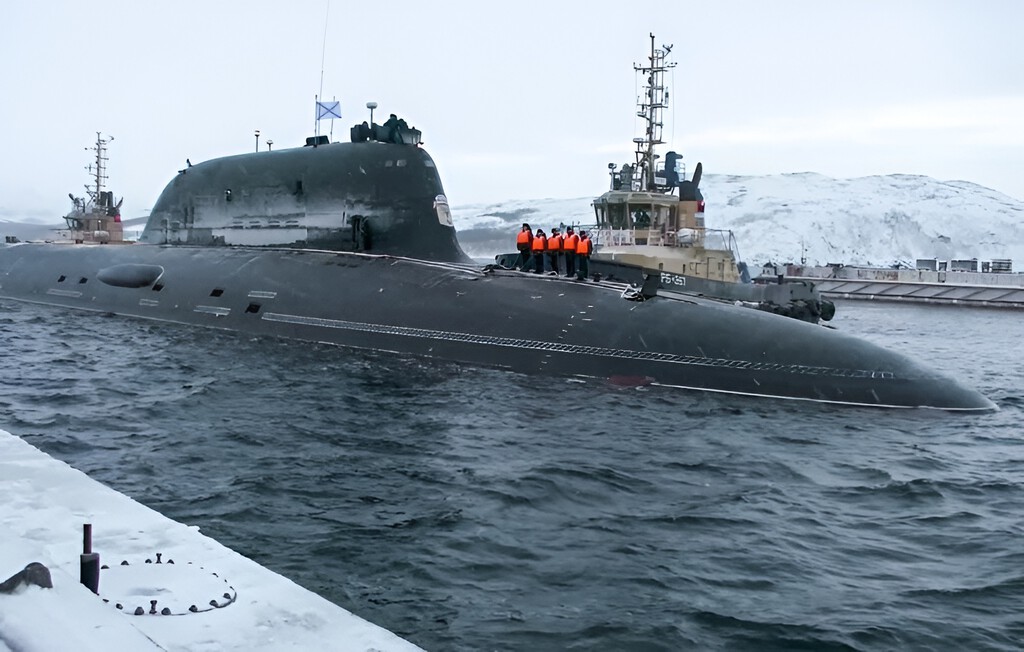
Russia's Perm nuclear submarine is set to enter service this year, and it promises to do something no other vessel can: regularly deploy hypersonic Zircon cruise missiles. The announcement, reported by multiple agencies, marks a significant step in naval warfare. But while the promise is potent, it deserves careful scrutiny.
The Perm is not just another submarine. It is a Yasen-M class vessel, designed for stealth, anti-submarine warfare, and long-range strike missions. If the claims hold true, it will be the first submarine to routinely carry hypersonic weapons, giving Russia a new edge in undersea deterrence.
Find Original Home Decor sparking conversation at Grand Goldman Shop.

What Makes the Perm Submarine Special?
The Perm belongs to Russia's Yasen-M family, a line of multipurpose nuclear submarines. Unlike strategic submarines that carry intercontinental ballistic missiles, the Perm is built for a mix of missions: hunting enemy subs, attacking land targets, and now, launching hypersonic missiles.

Its primary weapon will be the 3M22 Zircon, a scramjet-powered hypersonic cruise missile capable of speeds up to Mach 9. The Zircon can strike both ships and land targets, and its speed makes it extremely difficult to intercept. Integrating this missile into a submarine platform is a technological leap that few navies can match.
Why Hypersonic Missiles Matter
Hypersonic missiles travel at speeds greater than Mach 5 and can maneuver mid-flight, making them hard to track and destroy. The Zircon, in particular, is designed to evade existing missile defense systems. By deploying it on a stealthy submarine, Russia gains a launch platform that can appear unexpectedly and strike before defenses can react.
This combination—stealth plus speed—is what makes the Perm a potential game-changer. It shifts the balance of power in naval combat, especially in contested regions like the Pacific and Arctic.
Timeline and Deployment Details
The Russian Navy has stated that the Perm will be delivered before the end of 2026, though no exact date has been set. Commander-in-Chief Aleksandr Moiseyev has included the submarine in a larger package of over 20 ships and vessels to be received by then. Earlier, he indicated that the Perm's trials would conclude this year and that it would strengthen the Pacific Fleet's submarine forces.
This timeline aligns with Russia's broader military modernization efforts, which have focused on hypersonic weapons as a way to counter NATO's technological advantages. The Perm's deployment to the Pacific would give Russia a potent deterrent in a region where tensions with the U.S. and its allies are rising.
Key Capabilities of the Perm Submarine
- Yasen-M class: Multipurpose nuclear submarine with stealth design and advanced sensors.
- Zircon hypersonic missiles: Speed of Mach 9, range of approximately 1,000 km, capable of striking land and sea targets.
- Vertical launch system: Eight launch tubes for Zircon and Kalibr missiles.
- torpedo tubes: For anti-submarine warfare and self-defense.
- Nuclear propulsion: Unlimited range and ability to stay submerged for months.
How the Perm Compares to Other Submarines
| Submarine | Class | Primary Weapon | Hypersonic Capability |
|---|---|---|---|
| Perm | Yasen-M | Zircon hypersonic missile | Yes |
| Virginia | U.S. Navy | Tomahawk cruise missile | No (currently) |
| Astute | Royal Navy | Tomahawk cruise missile | No |
| Severodvinsk | Yasen | Kalibr and Oniks missiles | No |
As the table shows, the Perm stands out as the only submarine with confirmed hypersonic missile integration. While other navies are developing hypersonic weapons, none have deployed them on submarines yet. This gives Russia a temporary advantage, though the U.S. and China are racing to catch up. The longer history behind the story is traced in Hoy No Circula Saturday: Which Cars Can Drive on August.
Strategic Implications and What to Watch
The Perm's deployment signals Russia's intent to field hypersonic weapons across multiple platforms. It also raises questions about the future of naval warfare: how will adversaries respond to a stealthy submarine armed with unstoppable missiles? The answer may lie in improved detection technologies and directed-energy weapons, but those are years away. The background to this story is set out in Ukraine Captures Russia's 3M22 Zircon Hypersonic Missile and Opens. A related thread runs through Putin Tightens Grip as 49 Ukraine War Veterans Enter Parliament. Earlier coverage in Karen Tries To Fake Her Dog As A Service Dog To Enter A Candy Store, Gets Told Off, Loses Her Mind shows how the argument developed.
For now, the Perm represents a new chapter in undersea competition. Its success will depend on whether Russia can actually integrate the Zircon reliably and train crews to use it effectively. The announcement is a promise, not a proven capability. A closer look at the same subject appears in Trending: latest articles. Anyone following the wider picture can start with Russian Cruiser Admiral Nakhimov Returns After 27 Years. The same theme surfaces in USS Arizona Submarine: Nuclear Successor With 28 Tomahawks, which takes a different angle.
As navies adapt, the lessons from the Perm will likely influence future submarine designs. The race for hypersonic submarines is just beginning, and the Perm is the first shot. Context on how this played out before sits in Ukraine's Drone Experts Deploy to Mali and Sudan, Shifting War Front. A companion piece, Lenin's Rolls-Royce and the Heist That Almost Changed History, approaches the same subject from another angle.
FAQ
What is the Perm submarine?
The Perm is a Yasen-M class nuclear-powered submarine built for the Russian Navy. It is designed for anti-submarine warfare and long-range strikes, and it will be the first submarine to carry Zircon hypersonic missiles.
What are Zircon hypersonic missiles?
Zircon is a Russian hypersonic cruise missile capable of flying at Mach 9. It is designed to evade missile defenses and can strike both ships and land targets.
When will the Perm enter service?
The Russian Navy plans to receive the Perm before the end of 2026, though an exact date has not been announced. Trials are expected to conclude this year.
Why is the Perm significant?
The Perm is significant because it combines stealth with hypersonic weapons, giving Russia a new capability that no other navy currently possesses. This could shift the balance of power in naval warfare.
Browse the Shop
 Acacia frida deluxe solid wood bed frame |
Bedroom bench |
Bed chest drawers |
Lingerie dresser |
Frame base |
Mirror with jewelry storage |
30 Bathroom Vanity |
Memory foam queen mattress |
Mattresses for back pain |
Nightstand set of 2 |
Grand Goldman Shop |
Civil Lawyer
Deutschland Trikot WM 2026







