

In Sagunto, Spain, a recent vote by the Sang de Sagunt brotherhood has brought the tension between tradition and equality into sharp focus. The brotherhood decided to maintain its centuries-old policy of excluding women from participating in Holy Week processions, a decision that has sparked debate about the role of women in religious traditions.
The vote took place just before Holy Week, a time when processions fill the streets of many Spanish towns. The Sang de Sagunt brotherhood, one of the oldest in the region, had to choose whether to preserve its traditional stance or embrace a more inclusive approach.
Find Original Home Decor sparking conversation at Grand Goldman Shop.

The Vote That Kept Tradition Alive
On the day of the vote, only 403 of the 1,627 eligible members cast their ballots. All voters were men, as the brotherhood's statutes currently restrict voting rights to male members. The result was a resounding majority in favor of keeping the status quo.
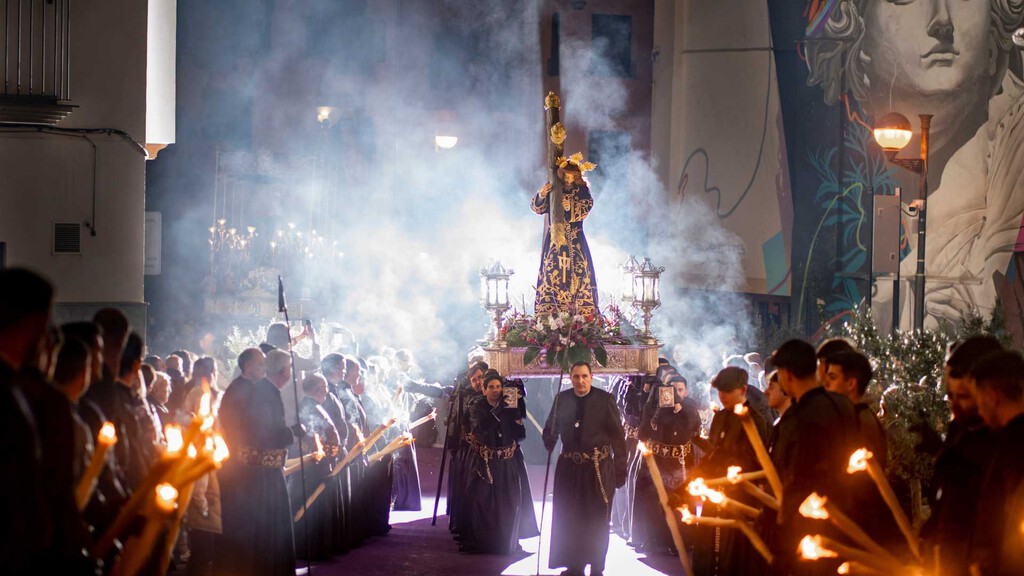
The proposal would have changed a single word in the statutes: replacing "varón" (male) with "cualquier persona bautizada" (any baptized person). This small textual change would have allowed women to participate fully in the brotherhood's activities, including processions. But the members voted not to alter a single comma.
Why the Decision Matters
This vote is not just about one brotherhood in one town. It reflects a broader cultural struggle in Spain and beyond, where religious institutions face increasing pressure to adapt to modern values of equality. Holy Week processions are a cornerstone of Spanish cultural heritage, and the exclusion of women raises questions about who gets to participate in these public expressions of faith.
The decision also highlights the demographic challenge facing many traditional organizations. With only a quarter of eligible members participating in the vote, some might question whether the outcome truly represents the will of the entire brotherhood. However, supporters of the decision argue that tradition should not be changed lightly.
What the Vote Means for the Brotherhood
The Sang de Sagunt brotherhood has functioned for centuries with its current statutes, and members who voted against the change likely see it as a defense of their identity. For them, tradition is not a barrier to equality but a cherished heritage that defines the brotherhood's character.
On the other hand, the women who have been advocating for inclusion are likely disappointed. Their efforts to participate equally in the town's most important religious events have been setback, at least for now. The debate is unlikely to disappear, as similar discussions are happening in brotherhoods across Spain. The background to this story is set out in Burryman Procession: Scotland's Living Tradition of Costume and Whisky. A related thread runs through Volkswagen Battery Plant in Sagunto Delayed: What It Means for EVs. Earlier coverage in Volkswagen's Sagunto Battery Plant Delayed: What It Means for EV Industry shows how the argument developed.
Key Takeaways from the Sagunto Vote
- The Sang de Sagunt brotherhood voted to keep its statutes unchanged, excluding women from full participation.
- Only 403 of 1,627 eligible members voted, all of them men.
- The proposed change would have replaced "varón" with "cualquier persona bautizada" in the statutes.
- The decision reflects a broader tension between tradition and equality in Spanish religious life.
- The vote is likely to fuel ongoing debates about women's roles in Holy Week processions.
Comparing the Positions
| Aspect | Traditionalist View | Equality View |
|---|---|---|
| Statutes | Keep "varón" (male) unchanged | Change to "cualquier persona bautizada" (any baptized person) |
| Women's participation | Excluded from processions and voting | Full inclusion in all activities |
| Rationale | Preserve centuries-old tradition | Adapt to modern values of equality |
| Vote outcome | Majority in favor of no change | Proposal rejected |
What to Watch Next
The vote in Sagunto is unlikely to be the last word on this issue. As Spanish society becomes more secular and egalitarian, traditional brotherhoods may face growing pressure to open their doors to women. The outcome of this vote could inspire similar debates in other towns and cities. A closer look at the same subject appears in Seville Holy Week Balconies Rent for Over 9,000 Euros. Anyone following the wider picture can start with Spain Holy Week Weather 2025: AEMET Forecasts Sunny Skies. The same theme surfaces in Trending: latest articles, which takes a different angle.
For now, the Sang de Sagunt brotherhood will proceed with its Holy Week processions as it has for centuries, with men only. But the conversation about tradition and equality is far from over. Those who support change may regroup and try again, perhaps with a more targeted campaign to win over undecided members. Context on how this played out before sits in Lidl Black Friday Deal: Russell Hobbs Popcorn Maker Under $20. A companion piece, Sagunto Holy Week Vote: Tradition vs Equality in Processions, approaches the same subject from another angle.
FAQ
What was the vote about in Sagunto?
The vote was about whether to change the statutes of the Sang de Sagunt brotherhood to allow women to participate fully, including in Holy Week processions. The proposal would have replaced the word "varón" (male) with "cualquier persona bautizada" (any baptized person).
How many members voted and what was the result?
Only 403 out of 1,627 eligible members voted, all of them men. The majority voted against the change, so the statutes remain unchanged.
Why were only men allowed to vote?
According to the brotherhood's current statutes, only male members have voting rights. Women are not considered full members and therefore cannot vote on changes to the statutes.
What happens next for women seeking inclusion?
The women advocating for inclusion may continue to push for change, possibly by lobbying members or seeking legal avenues. The debate is likely to continue in Sagunto and other Spanish towns with similar traditions.
Browse the Shop
 Acacia frida deluxe solid wood bed frame |
Bedroom bench |
Bed chest drawers |
Lingerie dresser |
Frame base |
Mirror with jewelry storage |
30 Bathroom Vanity |
Memory foam queen mattress |
Mattresses for back pain |
Nightstand set of 2 |
Grand Goldman Shop |
Civil Lawyer
Deutschland Trikot WM 2026







