

In South Korea, a growing number of young men are undergoing plastic surgery during their mandatory military service, returning to base with bandaged faces and swollen features that disrupt military operations. This trend, reported by The Korea Times, is forcing officers to exclude soldiers from training, night guards, and physical tasks for medical and safety reasons.
The phenomenon reflects how deeply South Korea's beauty culture has penetrated even its most rigid institutions. What was once rare—reserved for the final months of service—has become more common among Generation Z soldiers, who view cosmetic procedures as a normal part of life.
Find Original Home Decor sparking conversation at Grand Goldman Shop.

Why South Korean Soldiers Are Getting Plastic Surgery
South Korea has one of the highest rates of cosmetic surgery per capita in the world. A survey from a few years ago found that many young South Koreans consider plastic surgery as a graduation gift completely normal. In Seoul, clinic advertisements cover entire buildings, and some neighborhoods have hundreds of specialized centers within walking distance.

For soldiers, military service offers a unique opportunity: a steady income and free time during leave. Some use their saved pay to fund procedures they might not otherwise afford. The pressure to conform to beauty standards is intense, and many see surgery as an investment in their future careers and social lives.
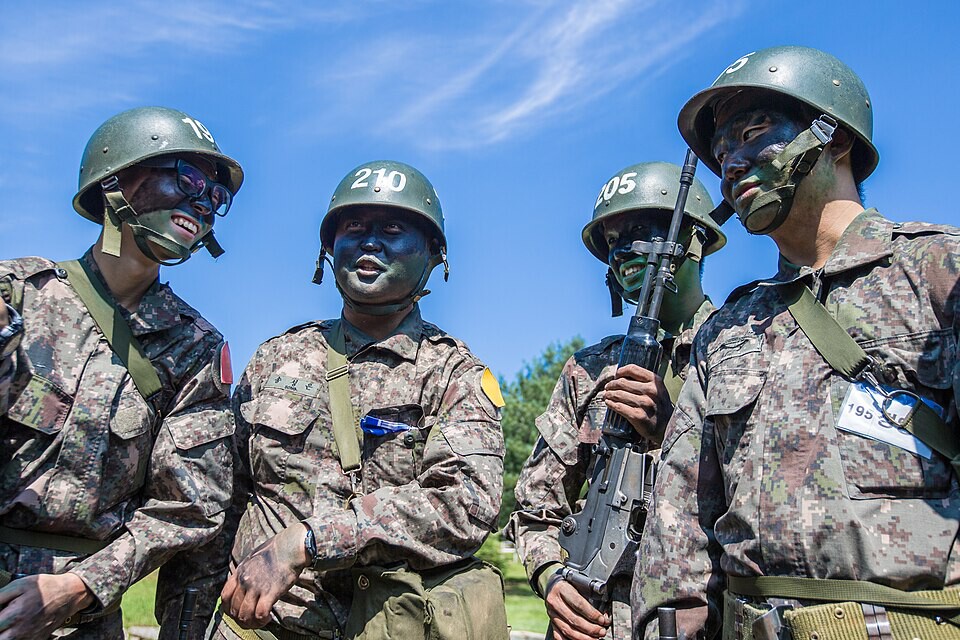
Moreover, the military itself provides a structured environment where recovery can be managed. Soldiers can schedule surgery during leave and return to base to recuperate, often with medical excusal from duties. This has made the military an unexpected enabler of the beauty industry.
The Impact on Military Readiness
The South Korean military is now grappling with a problem that would have seemed absurd just years ago: soldiers returning from leave with fresh surgical wounds. According to The Korea Times, cases range from newly operated noses to swollen eyelids and faces still in recovery. These conditions force commanders to exclude soldiers from training, night guards, and physical tasks.
While individual cases may seem minor, the cumulative effect on unit readiness can be significant. Military service is already a challenging period, and having soldiers unable to perform their duties puts additional strain on their comrades. It also raises questions about medical ethics and the military's role in facilitating such procedures.
The military has not yet implemented formal regulations, but officials are monitoring the situation. Some units have started requiring soldiers to disclose planned surgeries before leave, and others are limiting medical excusals for cosmetic procedures.
What's Driving the Trend Among Generation Z
Generation Z South Koreans have grown up in a hyper-competitive society where appearance often correlates with success. Social media amplifies beauty standards, and K-pop and K-drama celebrities frequently undergo procedures. For young men, looking good is increasingly seen as part of professional competence.
The military service itself is a rite of passage that many want to complete with a transformed appearance. Some soldiers plan their surgeries months in advance, coordinating with their service schedules. The trend is particularly pronounced among those nearing discharge, who want to return to civilian life with a new look.
Additionally, the affordability of procedures in South Korea compared to other countries makes them accessible even on a soldier's salary. Clinics often offer discounts for military personnel, further incentivizing the trend.
Comparing Military Policies on Cosmetic Surgery
| Country | Policy on Cosmetic Surgery During Service | Impact on Duties |
|---|---|---|
| South Korea | No formal ban; medical excusal possible | Soldiers excluded from training, guards |
| United States | Allowed with commander approval; often not during initial training | Limited; usually scheduled during leave |
| Israel | Discouraged; requires approval | Rare; cases handled individually |
| United Kingdom | Allowed but not funded; must fit around duties | Minimal; scheduled during leave |
Key Takeaways for Observers
- South Korean soldiers are increasingly getting plastic surgery during military leave, disrupting unit readiness.
- The trend reflects deep-rooted beauty standards and the influence of Generation Z.
- Military officials are forced to exclude soldiers from duties for medical and safety reasons.
- No formal regulations exist yet, but the military is monitoring the situation.
- Other countries allow cosmetic surgery with restrictions, but South Korea's case is unique due to cultural factors.
What to Watch Next
The South Korean military may soon introduce guidelines to manage the trend. Possible measures include requiring pre-approval for cosmetic procedures, limiting medical excusals, or providing education on the risks. The military could also partner with clinics to ensure procedures are timed appropriately. The background to this story is set out in The Swan Reality Show: Inside TV's Most Sadistic Plastic Surgery. A related thread runs through South Korea Football Stars Military Service Exemption Debate. Earlier coverage in South Korea Angry at Ukraine Over North Korean POWs Transfer shows how the argument developed.
Beyond the military, the trend highlights broader societal issues. The pressure to undergo cosmetic surgery starts young, and the military is just one arena where it plays out. As Generation Z continues to shape South Korea's culture, institutions will need to adapt. A closer look at the same subject appears in Man Asks His Girlfriend To Stay With Him During His Surgery Even Though Her Dog Is Getting Euthanized. Anyone following the wider picture can start with Young Germans Opt Out of Military Service as Berlin Boosts Army. The same theme surfaces in Trump Cuts US-South Korea Military Drills Amid North Korea Threats, which takes a different angle.
For now, commanders must balance individual soldiers' rights with unit cohesion. The military's response will be watched closely, as it reflects how one of Asia's most modern armed forces copes with changing social norms. Context on how this played out before sits in South Korea Hormuz Deployment Review Amid US Pressure. A companion piece, Trump's South Korea Alliance Move Sparks Bipartisan Backlash, approaches the same subject from another angle.
FAQ
Why are South Korean soldiers getting plastic surgery during military service?
Soldiers often have disposable income and time during leave, and South Korea's beauty culture encourages cosmetic procedures. Some see it as a way to improve their appearance before returning to civilian life.
How does this affect military operations?
Soldiers recovering from surgery may be unable to participate in training, night guards, or physical tasks, reducing unit readiness. Commanders must reassign duties, putting strain on others.
Is the South Korean military doing anything to address this?
The military is monitoring the situation and may introduce regulations, such as requiring pre-approval or limiting medical excusals. No formal policy has been announced yet.
Is this trend unique to South Korea?
While cosmetic surgery during military service occurs elsewhere, South Korea's high rate of procedures and cultural acceptance make it more prevalent. Other militaries generally have stricter rules or less cultural pressure.
Browse the Shop
 Acacia frida deluxe solid wood bed frame |
Bedroom bench |
Bed chest drawers |
Lingerie dresser |
Frame base |
Mirror with jewelry storage |
30 Bathroom Vanity |
Memory foam queen mattress |
Mattresses for back pain |
Nightstand set of 2 |
Grand Goldman Shop |
Civil Lawyer
Deutschland Trikot WM 2026







