

South Korea has officially become a super-aged society, with more than 20% of its population aged 65 or older. This milestone, reached in December 2024, has sparked a national conversation about what it means to be "elderly" and how the country should adapt to its rapidly changing demographics.
The designation comes after decades of declining birth rates and increasing life expectancy. As of the latest data, South Koreans aged 65 and above number nearly 11 million, representing 21% of the total population. This shift has profound implications for the economy, healthcare, and social welfare systems.
Find Original Home Decor sparking conversation at Grand Goldman Shop.

What Does 'Super-Aged' Mean?
The term "super-aged" is used by demographers to describe a society where more than 20% of the population is 65 or older. South Korea joins a small group of countries, including Japan and Italy, that have reached this threshold. The label underscores the urgency of addressing the challenges posed by an aging population.
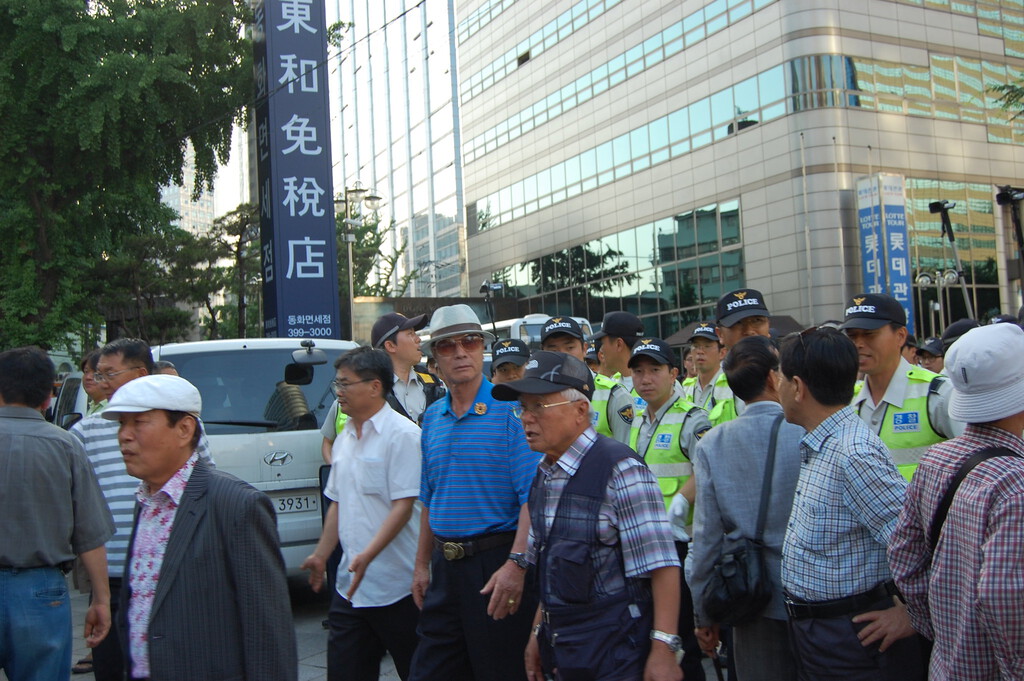
With a fertility rate that has been below replacement level for years, South Korea's demographic trajectory is unlikely to reverse soon. The government has implemented various policies to encourage childbirth, but so far, these measures have had limited success.
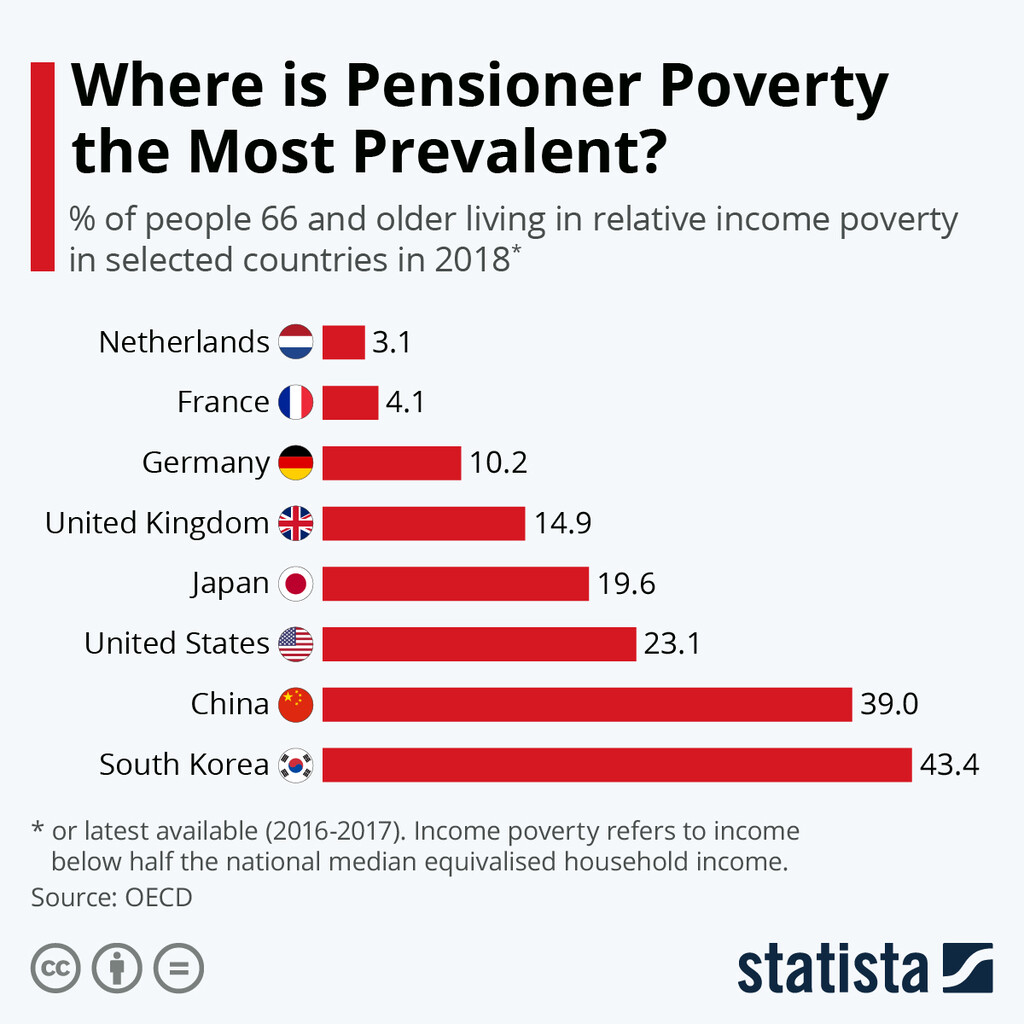
The Debate: What Is an 'Elderly' Person?
In 2024, The Korea Times ran a feature asking, "How old is 'elderly'?" The question may seem simple, but it touches on deep-seated assumptions about age, productivity, and social roles. In a country where life expectancy is rising and many people remain active well into their 70s, the traditional definition of elderly—often tied to retirement age—may no longer fit.
Some argue that redefining "elderly" could help alleviate the burden on social services by encouraging later retirement and continued workforce participation. Others worry that changing the definition might undermine support for those who genuinely need assistance.
Key Takeaways from the Debate
- Demographic pressure: With 21% of the population over 65, South Korea faces rising healthcare and pension costs.
- Workforce implications: Redefining "elderly" could keep more people in the labor market, easing labor shortages.
- Social welfare: Any change must balance the needs of vulnerable seniors with fiscal sustainability.
- Cultural shift: The debate reflects changing attitudes toward aging and productivity in Korean society.
- Policy challenges: Government must consider phased adjustments to retirement age and benefits.
How South Korea Compares
South Korea's aging rate is among the fastest in the world. The table below shows the percentage of the population aged 65 and over in selected countries, based on recent estimates.
| Country | Population Aged 65+ (%) | Status |
|---|---|---|
| Japan | 29% | Super-aged |
| Italy | 24% | Super-aged |
| South Korea | 21% | Super-aged |
| Germany | 22% | Super-aged |
| United States | 17% | Aged |
While Japan remains the oldest society, South Korea's pace of aging is unprecedented. It took Japan 24 years to go from an aging society (7% over 65) to a super-aged society, while South Korea made the transition in just 17 years. The background to this story is set out in South Korea Birth Rate Rises Again: Real Trend or Just a Demographic Echo. A related thread runs through Europe's Demographic Crisis: Why the Young Will Pay the Price. Earlier coverage in Global Population Aging Faster Than Expected: The Japanization Problem shows how the argument developed.
What's Next for South Korea?
The government has announced plans to create a new ministry to tackle the demographic crisis, focusing on low birth rates and aging. However, experts say that without a comprehensive strategy that includes immigration, labor market reforms, and support for families, the challenges will persist. A closer look at the same subject appears in Japan's Demographic Crisis: Toyama Officials Accused of Adding 2,000 Fake. Anyone following the wider picture can start with Europe's Demographic Crisis: The Young Face Heavy Consequences. The same theme surfaces in Europe's Demographic Crisis: The Young Must Not Bear the Cost, which takes a different angle.
As the debate over what constitutes "elderly" continues, it is clear that South Korea's demographic shift will require a fundamental rethink of work, retirement, and care. The outcome will shape the country's future for decades to come. Context on how this played out before sits in Australia's Ageing Population: Deaths to Outnumber Births by 2060s. A companion piece, Europe's Demographic Crisis: Young Face Consequences, approaches the same subject from another angle.
FAQ
What is a super-aged society?
A super-aged society is one where more than 20% of the population is aged 65 or older. South Korea officially became super-aged in December 2024.
Why is South Korea's aging population a concern?
South Korea's rapid aging is straining public finances, healthcare, and pension systems. With a low birth rate, the working-age population is shrinking, which could slow economic growth.
How old is considered elderly in South Korea?
Traditionally, 65 has been the threshold for elderly status, often tied to retirement age. However, with increasing life expectancy and active lifestyles, some are calling for a redefinition.
What measures is South Korea taking to address the crisis?
The government plans to establish a new ministry focused on population policy. Other proposals include incentives for childbirth, later retirement age, and immigration reforms.
Browse the Shop
 Acacia frida deluxe solid wood bed frame |
Bedroom bench |
Bed chest drawers |
Lingerie dresser |
Frame base |
Mirror with jewelry storage |
30 Bathroom Vanity |
Memory foam queen mattress |
Mattresses for back pain |
Nightstand set of 2 |
Grand Goldman Shop |
Civil Lawyer
Deutschland Trikot WM 2026







