

Spain's population is on the cusp of 50 million, but the country's fertility rate remains among the lowest in Europe, signaling long-term demographic and economic challenges. According to recent data, 49.93 million people were registered in early October, a record high driven almost entirely by immigration.
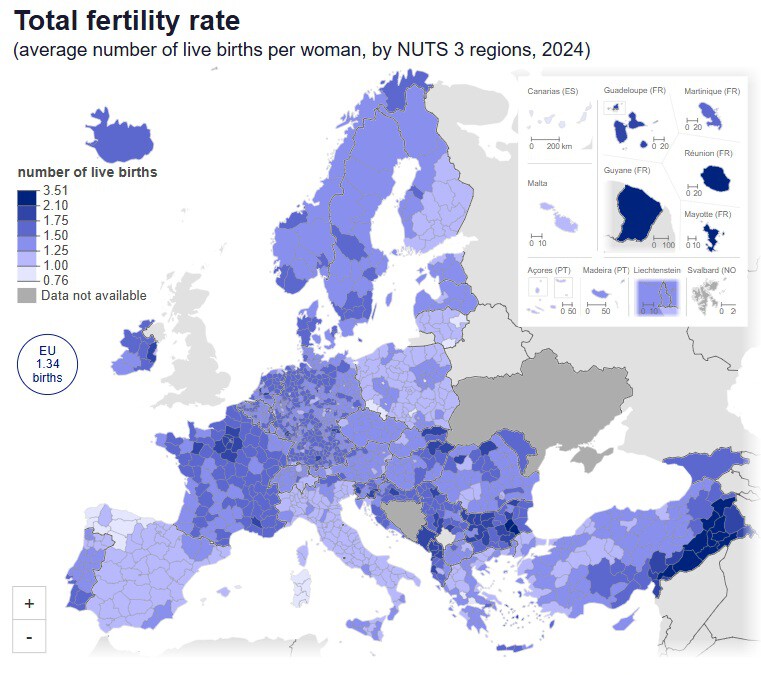
The milestone is largely symbolic, yet it highlights a deeper issue: Spain's natural population growth is negative, with more deaths than births. Eurostat's latest report shows the EU's overall fertility rate fell to 1.34 live births per woman in 2024, and Spain is no exception to this downward trend.
Find Original Home Decor sparking conversation at Grand Goldman Shop.

Spain's Population Growth Relies on Immigration
Spain's population has never been higher, but this growth is not due to a baby boom. Provisional 2025 data from the National Statistics Institute (INE) indicate that births continue to lag behind deaths, resulting in a negative natural balance. The increase in the population register is almost entirely attributable to foreign-born residents, who account for 98.8% of the growth.
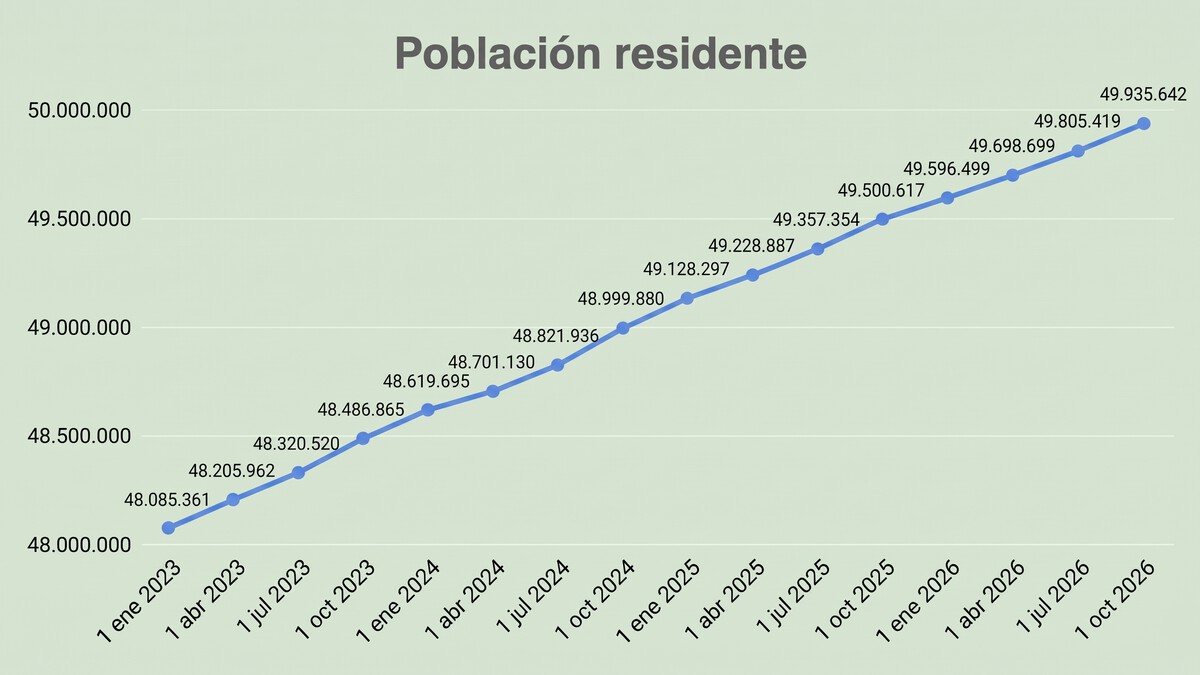
This reliance on immigration is a double-edged sword. While it bolsters the labor force and supports economic activity, it also masks underlying demographic weaknesses. Without sustained immigration, Spain's population would be shrinking, putting pressure on public services and social systems.

Fertility Rates: Spain vs. Europe
Eurostat's data place Spain's fertility rate below the EU average, although exact figures for 2024 are not yet final. The map of Europe reveals a stark divide: countries like France and Sweden maintain higher fertility rates, while southern European nations, including Spain and Italy, consistently rank at the bottom.

The reasons are multifaceted. Economic uncertainty, high housing costs, and limited work-life balance policies discourage larger families. Additionally, delayed childbearing and changing social norms contribute to fewer births per woman.
| Country | Fertility Rate (2024) | Population Growth Driver |
|---|---|---|
| Spain | Below EU average (exact rate pending) | Immigration (98.8% of growth) |
| France | Above EU average | Higher native birth rate |
| Italy | Among the lowest | Immigration and negative natural balance |
| Germany | Near EU average | Immigration and stable birth rate |
The table illustrates how Spain's demographic profile compares with other major EU economies. While immigration is a common factor across many countries, Spain's low fertility rate exacerbates its dependence on foreign-born workers.
Economic Implications of a Stagnant Fertility Rate
A persistently low fertility rate has significant economic consequences. An aging population means a shrinking workforce, which can slow GDP growth and strain pension systems. With fewer young people entering the labor market, productivity gains may be harder to achieve.
Moreover, low fertility rates can lead to regional disparities. Rural areas, already facing depopulation, struggle to maintain essential services. Urban centers, meanwhile, may absorb most immigrants, leading to overcrowding and housing shortages.
Policymakers face a delicate balancing act: encouraging higher birth rates through family-friendly policies while managing the social and economic integration of immigrants. Countries with successful fertility support, such as France, offer models like subsidized childcare and generous parental leave. The background to this story is set out in Spain's Demographic Crisis: Fertility Below One Child per Woman. A related thread runs through Spain's Population Map Shows a Concentrated Country, Not an Empty One. Earlier coverage in Spain's Immigration Myth: Can It Really Offset an Aging Population shows how the argument developed.
What to Watch Next
Spain's demographic future hinges on several factors. First, the evolution of immigration policy will determine whether the country can continue to attract workers. Second, investments in affordable housing and childcare could influence family decisions. Third, broader economic trends, including job security and wage growth, will shape young adults' willingness to have children. A closer look at the same subject appears in Over 50 Million Americans Vote Early in 2026 Midterms, Signaling High. Anyone following the wider picture can start with Europe's Demographic Crisis: The Young Face Heavy Consequences. The same theme surfaces in Europe's Demographic Crisis: Why the Young Will Pay the Price, which takes a different angle.
As Spain approaches the 50 million mark, the focus should shift from symbolic milestones to sustainable demographic strategies. Without addressing the root causes of low fertility, the country risks long-term economic stagnation. Context on how this played out before sits in Spain's Demographic Shift: 35 Years of Migration in One Chart. A companion piece, Turkey's Declining Birth Rate: A Demographic Challenge, approaches the same subject from another angle.
- Spain's population is nearing 50 million, driven almost entirely by immigration.
- The fertility rate remains below the EU average, contributing to a negative natural population balance.
- Economic uncertainty and high living costs discourage larger families.
- An aging population poses risks to pension systems and economic growth.
- Policy responses should focus on family support and integration of immigrants.
FAQ
Why is Spain's population growing despite a low fertility rate?
Spain's population growth is primarily driven by immigration. Foreign-born residents account for 98.8% of the increase, offsetting the negative natural balance of births versus deaths.
How does Spain's fertility rate compare to the rest of Europe?
Spain's fertility rate is below the EU average of 1.34 live births per woman. Southern European countries generally have lower rates than northern counterparts like France and Sweden.
What are the economic consequences of a low fertility rate?
A low fertility rate leads to an aging population, a shrinking workforce, and increased pressure on pension and healthcare systems. It can also slow economic growth and exacerbate regional disparities.
What policies could help raise Spain's fertility rate?
Policies such as affordable childcare, parental leave, and housing support can encourage higher birth rates. Additionally, economic stability and work-life balance are crucial factors.







