

Spain's reduced 10% VAT on hospitality is back in the spotlight after the European Commission flagged the country's tax treatment of bars, restaurants and hotels. The attention comes at an awkward moment, as Spain races toward a record 100 million foreign visitors and leans on tourism as a core pillar of its economy.
The Commission's semestral recommendations, published in June, point to one of the widest VAT rate gaps in the entire European Union. Brussels specifically singles out hospitality and accommodation as areas where applying the reduced rate is open to question.
Find Original, High-end Home Decor that spark conversation at Grand Goldman Shop.
What Exactly Did Brussels Say About Spain's Hospitality VAT?
The European Commission reminded Spain that it has "one of the largest gaps" in the EU when it comes to VAT rates, and "the largest gap in exemptions." In plain terms, Spain applies a much lower rate to certain goods and services than the standard rate would suggest.
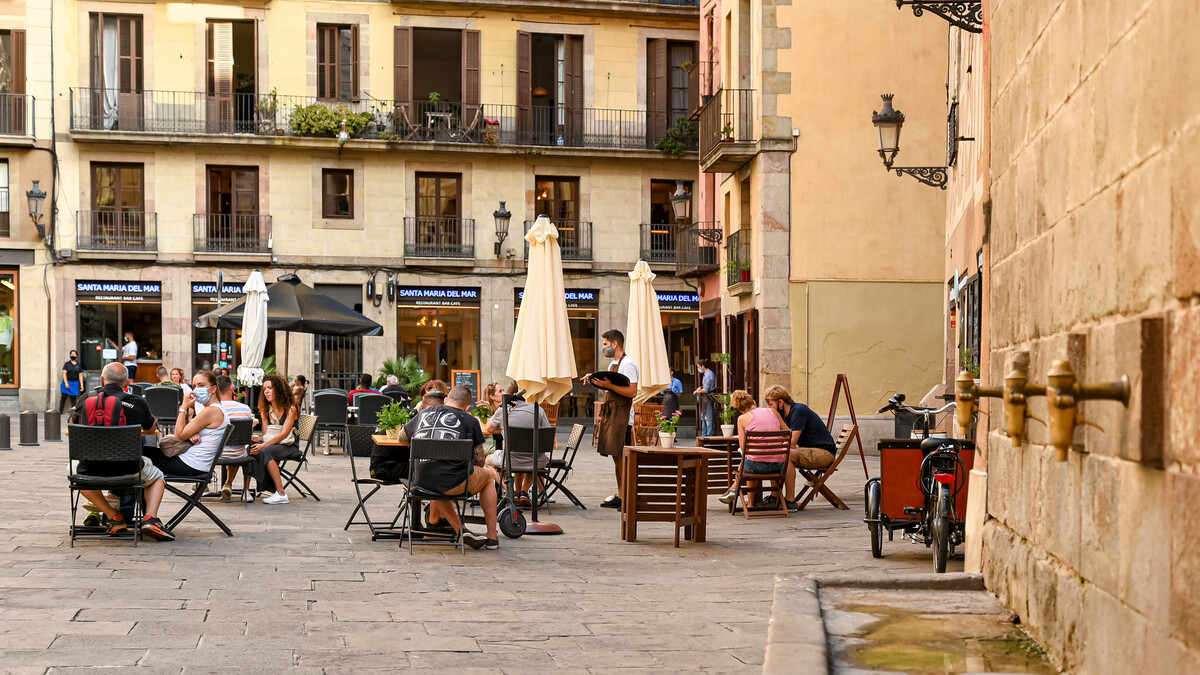
The recommendation then raises a concrete case: hospitality and lodging. Brussels leaves open the question of whether it still makes sense for bars, restaurants, cafes and hotels to charge 10% instead of the general 21% rate. The Commission notes this creates a "significant budgetary impact."
It is worth being precise about what this is and is not. The Commission has not ordered Spain to raise the rate. It has issued a recommendation that puts the anomaly on the table and invites a policy debate.
Why the Reduced Rate Matters So Much to Spain
Tourism is not a side industry in Spain. It is a central engine of GDP and employment, and the hospitality sector spreads across every region, from major coastal resorts to small inland towns. A reduced VAT rate helps keep prices competitive for visitors and supports margins for small operators.
Business groups have already pushed back hard. Industry representatives warned that raising VAT would be a shot in the foot for both the sector and Spanish households, arguing it would "put jobs and activity at risk."
The concern is straightforward. Restaurants and cafes operate on thin margins, and many are small family businesses. A jump from 10% to 21% would either force prices up or squeeze profits, and neither outcome is painless in a price-sensitive market.
The Budget Gap Argument Behind the Push
On the other side sits a fiscal reality. Spain runs a substantial VAT gap, meaning the difference between what it collects and what the standard rates would theoretically generate. Brussels sees reduced rates and exemptions as a major contributor to that shortfall.
When a government needs revenue, low-rate sectors become tempting targets. Hospitality is large, visible and easy to identify, which makes it a natural candidate for scrutiny even when the political cost of touching it is high.
The tension is familiar across Europe. Governments want competitive tourism sectors, but they also need tax receipts to fund public services. Spain is being asked to justify where it has chosen to land on that trade-off.
What a VAT Change Could Mean in Practice
For travelers, the most direct effect would be higher menu prices and room rates if the rate rose. For operators, the impact would show up in pricing strategy, staffing and investment decisions. For the government, the question is how much revenue a change would actually raise after behavioral effects.
There is also a competitiveness angle. Spain's neighbors apply their own reduced rates to hospitality in various forms, so any unilateral move could shift the relative attractiveness of Spanish destinations at the margin. Context on how this played out before sits in Spain's 10% Hospitality VAT Under EU Scrutiny: What It Means. A companion piece, Who Brought Wine to Spain? 28 Ancient Seeds Finally Reveal the Answer, approaches the same subject from another angle.
| Category | Current Spanish Rate | Standard Rate | Potential Impact of Change |
|---|---|---|---|
| Restaurants and bars | 10% | 21% | Higher menu prices, margin pressure |
| Cafes and pubs | 10% | 21% | Rising costs for small operators |
| Hotel accommodation | 10% | 21% | Higher room rates for visitors |
| Public revenue | Reduced collection | Higher collection | Larger tax receipts if applied |
Key Takeaways for Businesses and Travelers
- The European Commission has flagged Spain's 10% hospitality VAT as a fiscal anomaly, not ordered a change.
- Brussels cites one of the EU's largest VAT rate gaps and the largest gap in exemptions.
- Hospitality and accommodation are named as areas where the reduced rate is questionable.
- Industry groups warn that a rate increase would risk jobs and activity.
- Any change would likely raise prices for visitors and pressure small operators.
What to Watch Next
The immediate question is whether Spain responds to the recommendation in its next budget cycle or leaves the reduced rate untouched. Watch for signals in fiscal planning documents and any statement from the tourism ministry. The background to this story is set out in Hospitality Industry Urges Andy Burnham to Cut VAT. A related thread runs through Trending: latest articles.
Also watch the industry response. If hospitality groups organize publicly, the political cost of a rate change rises sharply. Conversely, if budget pressure intensifies, the case for reviewing the reduced rate becomes harder to ignore. Earlier coverage in Spain's 91-Year-Old Mayor Seeks Re-Election in 2027 shows how the argument developed. A closer look at the same subject appears in Spanish Couple Leaves City for Farm Life and Becomes Viral Star.
For now, the 10% rate remains in force. But the anomaly is no longer quiet, and that alone changes the terms of the debate. Anyone following the wider picture can start with Meross Smart Roller Shutter Switch Drops to €19.71 for Voice Control. The same theme surfaces in France's 1857 Pine Forest: A Million Hectares Now Unmanageable, which takes a different angle.
FAQ
Is Spain raising VAT on restaurants and hotels now?
No. The European Commission has issued a recommendation questioning the reduced 10% rate, but it has not ordered a change. The current rate remains in place while the debate continues.
Why is Brussels concerned about Spain's hospitality VAT?
The Commission points to one of the EU's largest VAT rate gaps and the largest gap in exemptions. It specifically questions whether hospitality and accommodation should keep the reduced rate given the budgetary impact.
What would a VAT increase mean for tourists?
If the rate moved from 10% to 21%, visitors would likely see higher menu prices and room rates. Operators would have to decide whether to absorb the cost or pass it on.
Who opposes the change?
Spanish business groups in the hospitality sector have warned that a VAT increase would put jobs and activity at risk, arguing it would hurt both the industry and households.
Browse the Shop
 Acacia frida deluxe solid wood bed frame |
Bedroom bench |
Bed chest drawers |
Lingerie dresser |
Frame base |
Mirror with jewelry storage |
30 Bathroom Vanity |
Memory foam queen mattress |
Mattresses for back pain |
Nightstand set of 2 |
Grand Goldman Shop |
Civil Lawyer
Deutschland Trikot WM 2026










