

The border dispute between Cuenca and Teruel over the El Entredicho mountain area has been raging for over 130 years, and in 2026 it remains unresolved. This territorial conflict centers on 2,000 hectares of forest in the Alto Tajo region, pitting two provinces and two autonomous communities—Castilla-La Mancha and Aragón—against each other.
The dispute dates back to 1897, when the first official complaints were filed. Despite numerous attempts to settle the matter, the legal battle continues in the Audiencia Nacional, Spain's National Court. At stake is not just land, but also jurisdiction over valuable natural resources and the symbolic power of defining regional boundaries.
Find Original Home Decor sparking conversation at Grand Goldman Shop.

What Is El Entredicho and Why Is It Contested?
El Entredicho is a mountainous area located at the headwaters of the Tagus River (Río Tajo). It sits between the Sierra de Albarracín in Teruel and the Serranía de Cuenca, covering approximately 2,000 hectares. The land is characterized by dense stands of Scots pine (Pinus sylvestris), high-mountain pastures, and important water sources that feed the Tagus basin.
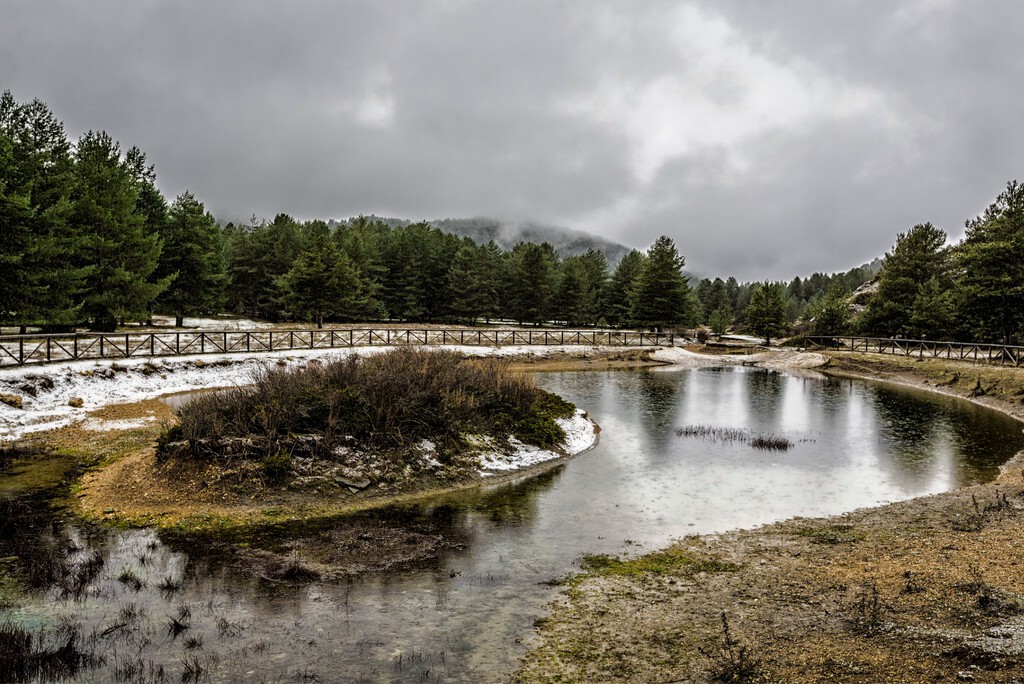
The core of the dispute lies in how the provincial boundary should be defined. Historically, Cuenca has argued that the border follows the course of the Tagus River, which would place El Entredicho within Cuenca's province. This interpretation is based on classic maps that show the boundary between Castilla-La Mancha and Aragón running along the river.
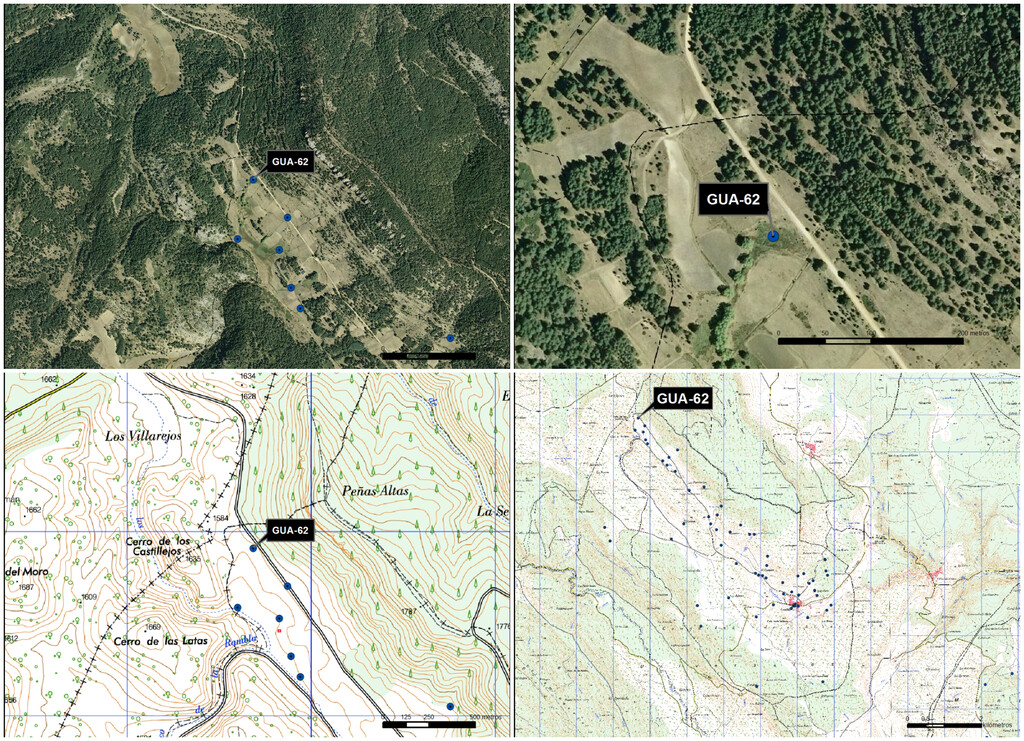
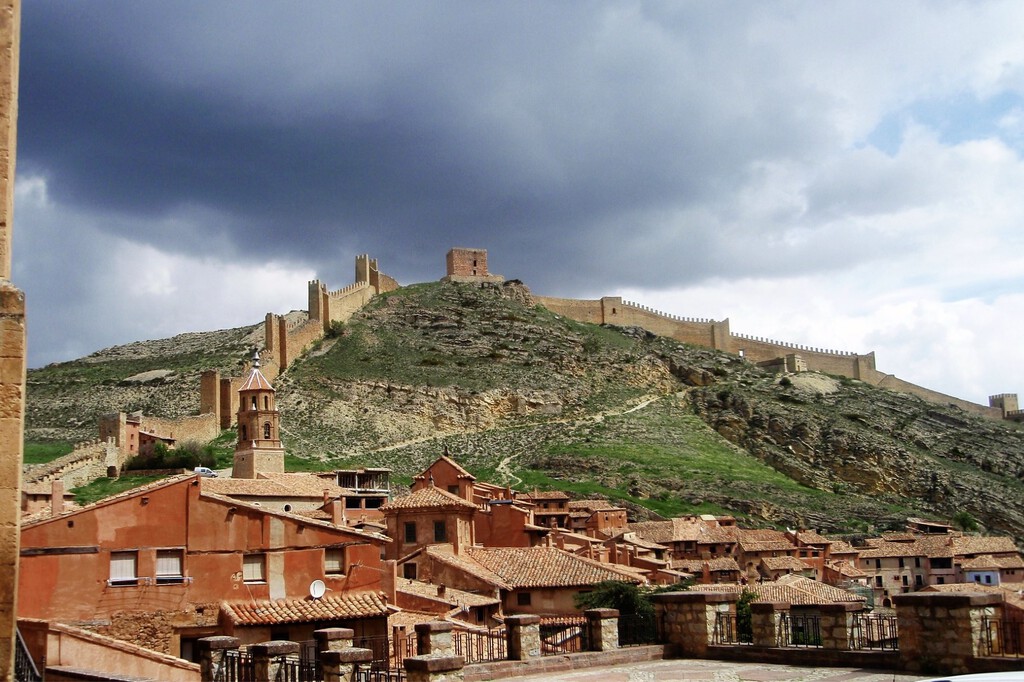
However, Albarracín (in Teruel) claims full administrative jurisdiction over the area based on land ownership and continuous use of its forest resources. The municipality argues that the land has been privately owned and managed by Teruel interests for centuries, regardless of where the river runs.
The 1897 Origins and the 2026 Decision
The conflict officially began in 1897, when Cuenca lodged a formal complaint about Teruel's administration of the area. For decades, the dispute simmered without resolution, with both sides maintaining their positions. The matter was further complicated by the fact that the land itself is privately owned by Teruel entities, even though it lies on the Cuenca side of the river according to historical maps.
In 2026, Spain's Ministry of Territorial Policy decided to tip the balance in favor of Teruel. This decision, however, has only inflamed the situation. Cuenca and Castilla-La Mancha have vowed to fight the ruling, and the case is now before the Audiencia Nacional. The ministry's decision is seen by many as a departure from historical precedent and a potential threat to regional sovereignty.
Key Arguments from Both Sides
Both Cuenca and Teruel present compelling arguments, each rooted in different legal and historical principles. Understanding these positions is crucial to grasping why the dispute has proven so intractable.
- Cuenca's stance: The provincial boundary should follow the Tagus River, as shown on historical maps and supported by administrative tradition. This would keep El Entredicho within Castilla-La Mancha.
- Teruel's stance: Land ownership and continuous use of forest resources justify administrative control. The area has been managed by Teruel-based owners for generations.
- Legal complexity: The case involves overlapping claims of public and private law, making it difficult to resolve through simple boundary adjustments.
- Environmental stakes: The area's pine forests and water sources are valuable economic and ecological assets, intensifying the competition.
- Political dimension: The dispute touches on regional identity and autonomy, raising tensions between Castilla-La Mancha and Aragón.
Why the 2026 Ministry Decision Sparked Outrage
The Ministry of Territorial Policy's decision to favor Teruel was met with immediate backlash from Cuenca and Castilla-La Mancha. Critics argue that the ruling ignores historical boundaries and sets a dangerous precedent for other territorial disputes. The regional government of Castilla-La Mancha has pledged to challenge the decision in court, arguing that it undermines the principle of territorial integrity.
Supporters of the decision, however, contend that it corrects a long-standing anomaly. They point out that the land has been privately owned and managed by Teruel interests for centuries, and that administrative boundaries should reflect practical realities rather than outdated maps. The ministry's ruling, they argue, brings legal clarity to a situation that has been ambiguous for too long. The longer history behind the story is traced in Spain's 130-Year Border Dispute: Cuenca and Teruel Fight Over El Entredicho.
What Happens Next in the Legal Battle
The case is now in the hands of the Audiencia Nacional, which will review the ministry's decision. Legal experts suggest that the court may consider both historical evidence and current land-use patterns. The outcome could set a precedent for how Spain handles similar disputes in the future. The background to this story is set out in Trending: latest articles. A related thread runs through Spain's Border Controls After Meloni Spat Detect 8,216 Third-Country. Earlier coverage in Alboran Island: Spain's Tiny Outpost That Nearly Sparked a War shows how the argument developed.
Meanwhile, local communities on both sides are watching closely. For the people of Cuenca, the loss of El Entredicho would mean a reduction in territory and potential economic impact. For Teruel, retaining control would validate their long-standing claims and secure access to valuable resources. The dispute also highlights broader tensions between rural regions competing for limited resources and administrative power. A closer look at the same subject appears in Tajo River in Toledo: From Record Floods to Crossable on Foot. Anyone following the wider picture can start with First Diplodocus Fossil Outside North America Found in Spain. The same theme surfaces in Solar Eclipse Impact on Spain's Power Grid: What to Expect, which takes a different angle.
Comparing the Two Positions
The table below summarizes the main points of contention between Cuenca and Teruel, illustrating why the dispute has been so difficult to resolve. Context on how this played out before sits in Rural School Closures in Spain: Coomonte Ends 130 Years of Classes. A companion piece, Cheap Houses in Rural Cuenca: The Hidden Costs of Buying a Ruin, approaches the same subject from another angle.
| Aspect | Cuenca's Position | Teruel's Position |
|---|---|---|
| Boundary definition | Follows the Tagus River | Based on land ownership and use |
| Historical basis | Classic maps and administrative tradition | Continuous private ownership and resource use |
| Legal argument | Territorial integrity and historical precedent | Practical administration and property rights |
| Environmental concerns | Preservation of the Tagus headwaters | Sustainable forest management by local owners |
| Political support | Castilla-La Mancha government | Aragón government and local municipalities |
FAQ
What is the El Entredicho border dispute?
The El Entredicho border dispute is a 130-year-old conflict between the Spanish provinces of Cuenca and Teruel over 2,000 hectares of mountainous land in the Alto Tajo region. Cuenca claims the area based on the Tagus River boundary, while Teruel claims it based on land ownership and historical use.
Why did the Spanish government side with Teruel in 2026?
The Ministry of Territorial Policy decided to favor Teruel because the land has been privately owned and managed by Teruel interests for centuries. The decision aimed to resolve the long-standing ambiguity by aligning administrative boundaries with practical land use, though it has been challenged in court.
What are the main arguments of Cuenca and Teruel?
Cuenca argues that the provincial boundary should follow the Tagus River, as shown on historical maps, which would keep El Entredicho within Castilla-La Mancha. Teruel argues that land ownership and continuous use of forest resources justify its administrative control, regardless of the river's course.
What is the current status of the dispute?
The case is currently before the Audiencia Nacional, Spain's National Court, following the 2026 ministry decision. The court will review the ruling, and its verdict could set a precedent for similar territorial disputes in Spain.
Browse the Shop
 Acacia frida deluxe solid wood bed frame |
Bedroom bench |
Bed chest drawers |
Lingerie dresser |
Frame base |
Mirror with jewelry storage |
30 Bathroom Vanity |
Memory foam queen mattress |
Mattresses for back pain |
Nightstand set of 2 |
Grand Goldman Shop |
Civil Lawyer
Deutschland Trikot WM 2026







