

Ukraine cannot retake Crimea by force, but it is ensuring that Russia chokes inside its own peninsula by targeting fuel supplies. This strategy, highlighted in a recent Financial Times report, focuses on cutting the logistical arteries that sustain Russian military operations in Crimea.
During World War II, General George S. Patton's advance was halted not by enemy fire but by a lack of gasoline. His armored columns consumed fuel so rapidly that logistics could not keep up. Since then, armies have learned a brutally simple lesson: sometimes war is decided not by who shoots more, but by who keeps the tank full.
Find Original Home Decor sparking conversation at Grand Goldman Shop.

The True Achilles' Heel: Fuel
For months, the war in Crimea was framed in terms of missiles, air bases, and attacks on the Black Sea Fleet. But Ukraine appears to have identified something far more vulnerable: fuel. It's not just about destroying military targets; it's about attacking the "blood" that powers the entire Russian war machine.
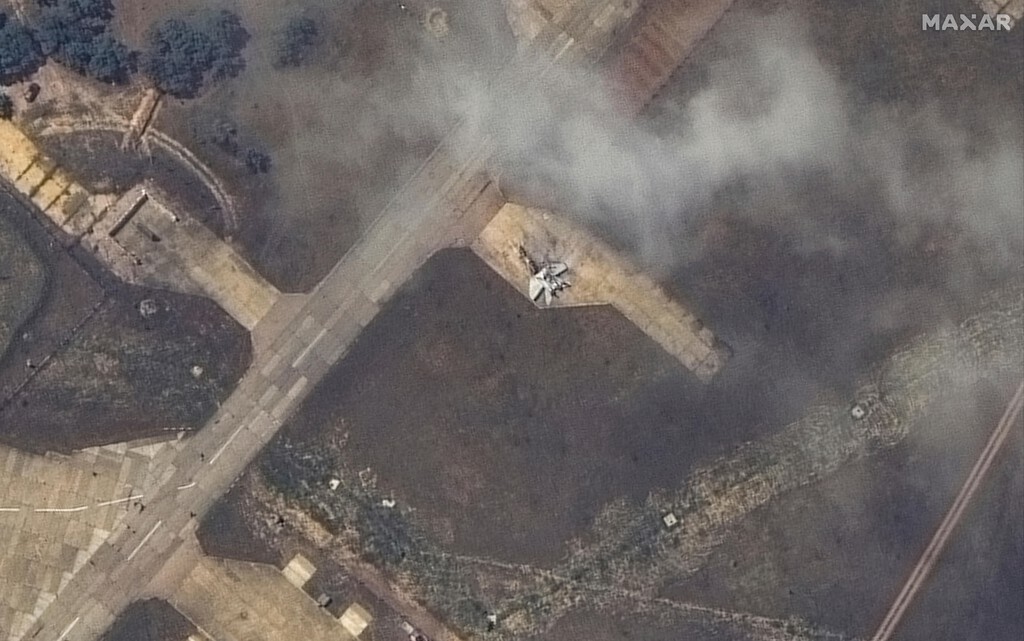
Without gasoline, trucks don't move, shells don't arrive, drones don't fly, and offensives can't be sustained. That is exactly what Kyiv is cutting off.
Striking the Artery: The Land Corridor
The Financial Times reported that Ukraine's campaign has concentrated on the land corridor connecting mainland Russia to Crimea, especially the "Novorossiya" highway—a major logistical project inaugurated in 2023 and touted by Vladimir Putin as a strategic success.
By targeting fuel depots, tankers, and supply convoys along this route, Ukrainian forces are systematically degrading Russia's ability to sustain its troops in Crimea.
Why the Novorossiya Highway Matters
The highway is a key supply route for Russian forces in southern Ukraine, including Crimea. It allows Russia to move troops, equipment, and fuel from mainland Russia to the peninsula without relying solely on the Kerch Strait Bridge, which has been attacked before.
Disrupting this corridor forces Russia to find alternative, longer routes, increasing costs and delays.
How Fuel Strikes Affect the War
Fuel is the lifeblood of modern warfare. By targeting fuel supplies, Ukraine is not only hindering immediate military operations but also imposing long-term logistical strain on Russia.
- Reduced mobility: Without fuel, Russian forces cannot quickly reposition troops or respond to Ukrainian advances.
- Supply chain disruption: Fuel shortages delay the delivery of ammunition, food, and other essentials to the front lines.
- Economic impact: Russia must divert resources to protect fuel infrastructure and find alternative supply routes.
- Psychological effect: Constant attacks on logistics undermine morale among Russian troops.
- Strategic advantage: Ukraine can force Russia to spread its defenses thinner, creating vulnerabilities elsewhere.
The Broader Strategy: Choking Crimea
Ukraine's focus on fuel is part of a broader strategy to make Crimea untenable for Russia. By cutting supply lines, Ukraine aims to force Russia to either withdraw or face severe logistical challenges. The longer history behind the story is traced in Ukraine Targets Russian Supply Routes With Road Mining.
This approach aligns with Ukraine's overall goal of reclaiming its territory without necessarily engaging in large-scale ground offensives that could be costly in lives and resources. The background to this story is set out in Ukraine War Briefing: Russian Soldier in Crimea Shoots Comrades. A related thread runs through Ukraine Drone Strikes Hit Crimea Power and Water Supplies. Earlier coverage in Ukraine War Briefing: Russian Soldier Crimea Shooting Kills 4 shows how the argument developed.
Comparison of Supply Routes to Crimea
| Route | Type | Vulnerability | Status |
|---|---|---|---|
| Kerch Strait Bridge | Bridge | High (attacked previously) | Damaged, limited capacity |
| Novorossiya Highway | Land corridor | Medium (within artillery range) | Under constant attack |
| Sea routes | Maritime | High (naval drones, missiles) | Largely blockaded |
| Air routes | Air | Low (but limited capacity) | Used for priority cargo |
What to Watch Next
Ukraine's campaign against fuel supplies is likely to intensify. Key indicators to monitor include the frequency of attacks on fuel depots and convoys, Russia's ability to repair and protect its logistics infrastructure, and the impact on Russian military operations in southern Ukraine. A closer look at the same subject appears in Ukraine Strikes Russian Drone Warehouses: War Update. Anyone following the wider picture can start with Ukraine War Briefing: Crimea Bomb Kills Defected Sub Commander. The same theme surfaces in Ukrainian Drone Attacks Kill 11 in Black Sea Resort and Crimea, which takes a different angle.
The strategy also tests Russia's resilience. If fuel shortages become severe, Russia may be forced to scale back its military ambitions in the region. Context on how this played out before sits in Woman Accused of Assassinating Russian Commander in Crimea. A companion piece, UN Chief: Superpowers Cannot Solve Global Crises Alone, approaches the same subject from another angle.
FAQ
Why is Ukraine targeting fuel supplies instead of military targets?
How successful have these attacks been?
What does this mean for the future of the war?
Is Crimea strategically important to Russia?
Browse the Shop
 Acacia frida deluxe solid wood bed frame |
Bedroom bench |
Bed chest drawers |
Lingerie dresser |
Frame base |
Mirror with jewelry storage |
30 Bathroom Vanity |
Memory foam queen mattress |
Mattresses for back pain |
Nightstand set of 2 |
Grand Goldman Shop |
Civil Lawyer
Deutschland Trikot WM 2026







