

The US bombing campaign against Iran aimed to cripple Iran's war machine through intense airstrikes, but just one month later, Iran is already restoring its military infrastructure. This outcome echoes historical lessons where air power alone failed to eliminate entrenched capabilities. Understanding why requires examining the limits of aerial bombardment and the resilience of distributed, underground networks.
Initial Bombing Campaign and Its Goals
In the first 48 hours of the conflict, the United States and Israel launched a massive bombing campaign targeting Iran's military infrastructure. The goal was clear: to render Iran's war machine inoperable by destroying key facilities and production sites. Hundreds of missiles and nearly a thousand drones were fired in just two days, pushing defensive systems to their limits.
Find Original Home Decor sparking conversation at Grand Goldman Shop.

This volume not only demonstrated the scale of Iran's arsenal but also highlighted the type of war being fought—one where saturation was almost as important as precision. The expectation was that if such intensity continued, the key would not be who strikes harder, but who endures longer. From the outset, that actor was identified as the US-led coalition.
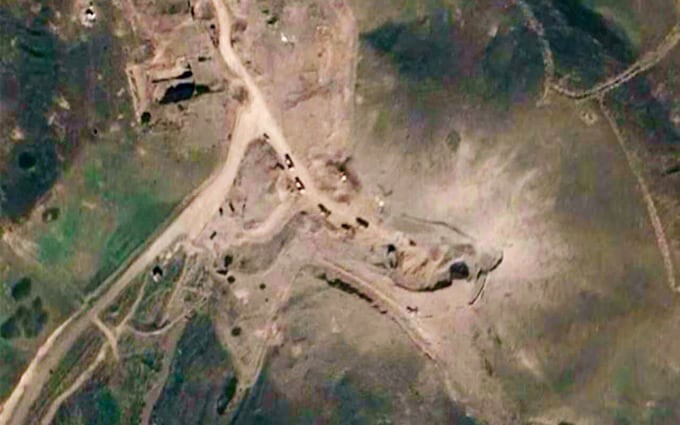
The Illusion of Total Destruction
Despite the ferocity of the bombing, the assumption that air power could completely neutralize Iran's capabilities proved illusory. History offers a stark reminder: during the Vietnam War, US pilots bombed a tunnel network near Cu Chi for days, convinced it was destroyed. When troops advanced, they found it not only operational but fighters reappearing from hidden exits just meters from their positions.
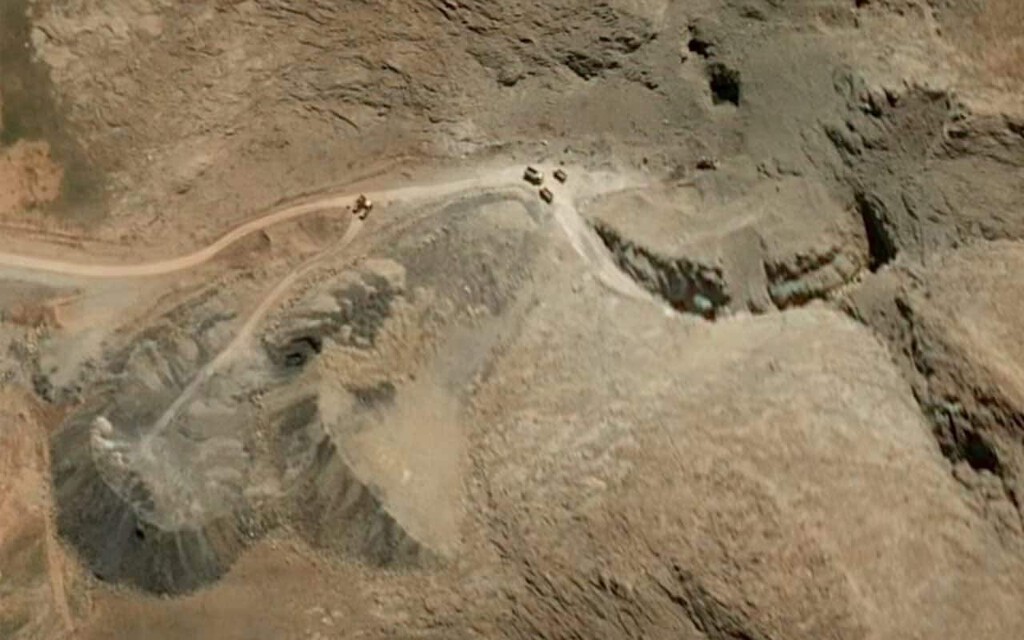
That lesson resonates today. Destroying from the air does not always mean eliminating what lies beneath. Iran's military infrastructure, much like the Viet Cong's tunnels, is likely dispersed, hardened, and designed for rapid recovery. Airstrikes may damage surface facilities, but underground networks and redundant systems allow for swift restoration.
Why Air Power Falls Short Against Underground Networks
Air power is unmatched in delivering precision strikes and overwhelming firepower, but it has inherent limitations when facing adversaries who invest in subterranean facilities and decentralized production. Iran has long prioritized underground bases and hidden missile production sites, making them resilient to conventional bombardment.
Moreover, the campaign's effectiveness is constrained by intelligence gaps and the difficulty of assessing damage in real-time. Even with advanced surveillance, confirming the destruction of deeply buried targets is challenging. The result is a cat-and-mouse game where Iran can repair and relocate assets faster than they can be targeted.
Iran's Restoration Efforts: Speed and Strategy
Within a month, Iran has begun restoring its war machine, demonstrating a capacity for rapid regeneration. This is not merely a testament to Iranian engineering but a strategic doctrine: absorb the initial blow, then rebuild and adapt. The speed of restoration suggests pre-positioned resources, modular production capabilities, and a willingness to accept losses while maintaining core functions. The longer history behind the story is traced in Nietzsche's Confirmation Bias: Why Tone Trumps Truth in Debates.
Iran's approach mirrors asymmetric warfare principles, where the goal is not to match the adversary's firepower but to outlast and exhaust them. By quickly restoring capabilities, Iran signals that airstrikes alone cannot achieve decisive results, undermining the coalition's strategy of coercion. The background to this story is set out in Ukraine's 40-Day Campaign Against Russia: Has It Worked?. A related thread runs through Putin's Bombing Campaign Won't Break Ukraine's Resolve. Earlier coverage in Eisenkot Condemns Netanyahu's Racist Campaign Against Arab Citizens shows how the argument developed.
Implications for Future Conflicts
The US bombing campaign against Iran offers critical lessons for future conflicts. It underscores that air power, while necessary, is insufficient for defeating a determined adversary with dispersed and hardened infrastructure. Success requires a holistic approach combining sustained intelligence, ground operations, and diplomatic pressure. A closer look at the same subject appears in UK's Secret Kamikaze Plan to Destroy Argentina's Five Fighter Jets. Anyone following the wider picture can start with Middle East Violence Escalation: Iran Claims US Plans Renewed Bombing. The same theme surfaces in Celebrities Unite Against AI Voice Cloning in New Campaign, which takes a different angle.
For military planners, the takeaway is clear: the ability to endure and regenerate is as important as the ability to strike. The conflict also highlights the importance of understanding an adversary's recovery capacity before launching a campaign. Without a plan to prevent restoration, bombing campaigns risk becoming costly exercises with limited strategic impact. Context on how this played out before sits in Andy Burnham Launches Campaign Against Headphone Dodgers on Public. A companion piece, D&D Players Raise Millions in Real-Life Campaign Against Corporat, approaches the same subject from another angle.
- Air power alone cannot guarantee the destruction of dispersed, underground networks.
- Iran's rapid restoration demonstrates the resilience of decentralized military infrastructure.
- Historical precedents, like the Vietnam War, show the limits of aerial bombardment.
- Future campaigns must integrate intelligence, ground forces, and diplomatic efforts to be effective.
Comparison of Airstrike Effectiveness Against Different Target Types
| Target Type | Vulnerability to Airstrikes | Recovery Time | Example |
|---|---|---|---|
| Surface facilities | High | Weeks to months | Above-ground factories |
| Underground bunkers | Low | Days to weeks | Iran's missile bases |
| Dispersed mobile launchers | Medium | Hours to days | Mobile missile systems |
| Hardened command centers | Low | Weeks | Deeply buried command posts |
FAQ
Why did the US bombing campaign fail to destroy Iran's war machine?
Why did the US bombing campaign fail to destroy Iran's war machine?
The campaign failed because Iran's military infrastructure is dispersed, hardened, and designed for rapid recovery. Air power alone cannot eliminate deeply buried or redundant systems, allowing Iran to restore capabilities quickly.
What historical examples show the limits of air power?
What historical examples show the limits of air power?
The Vietnam War's Cu Chi tunnels illustrate the limits: despite days of bombing, the tunnel network remained operational and fighters emerged near US positions. Similar dynamics are seen in Iran's underground facilities.
How quickly can Iran restore its military capabilities?
How quickly can Iran restore its military capabilities?
Iran has shown it can begin restoration within weeks, leveraging pre-positioned resources and modular production. This speed complicates efforts to permanently degrade its war machine.
What are the implications for future US military strategy?
What are the implications for future US military strategy?
Future strategies must integrate air power with ground operations, intelligence, and diplomatic pressure to prevent adversary regeneration. Relying solely on bombing risks costly stalemates.
Browse the Shop
 Acacia frida deluxe solid wood bed frame |
Bedroom bench |
Bed chest drawers |
Lingerie dresser |
Frame base |
Mirror with jewelry storage |
30 Bathroom Vanity |
Memory foam queen mattress |
Mattresses for back pain |
Nightstand set of 2 |
Grand Goldman Shop |
Civil Lawyer
Deutschland Trikot WM 2026







