

The US-Iran conflict has thrust the global pistachio market into the spotlight, revealing how geopolitical tensions can reshape agricultural trade. Since February 28, when the US and Israel struck Iran, a war has persisted for over a month, now under a fragile truce. While oil and goods like urea and helium dominate headlines, pistachios—a quieter but vital commodity—have been deeply affected.
Often called green gold, pistachios have seen their global market transformed over the past fifty years. In the 1960s and 70s, Iran dominated worldwide pistachio trade, far outpacing rivals like the US and Turkey. Today, the landscape is starkly different, and the conflict only underscores this shift.
Find Original Home Decor sparking conversation at Grand Goldman Shop.

The US Rise to Pistachio Dominance
According to the US Department of Agriculture (USDA), the US is projected to produce 712,700 metric tons in the 2025/2026 season, capturing 65% of global output. Iran follows with 18%, and Turkey with 11%. These figures are not anomalies but reflect a new reality in the pistachio industry.
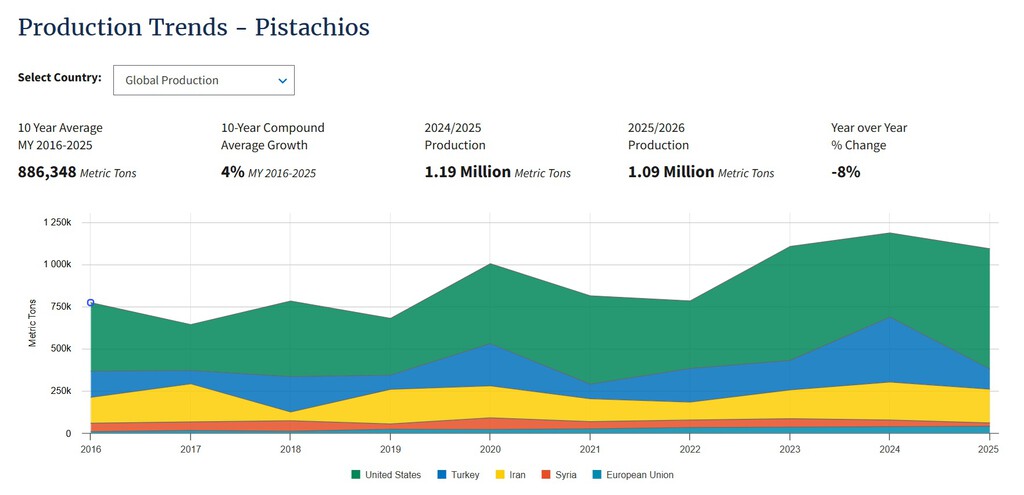
This dominance stems from decades of investment in California's orchards, advanced processing, and marketing. As a result, the US has become the world's leading pistachio supplier, a position that carries significant economic weight.
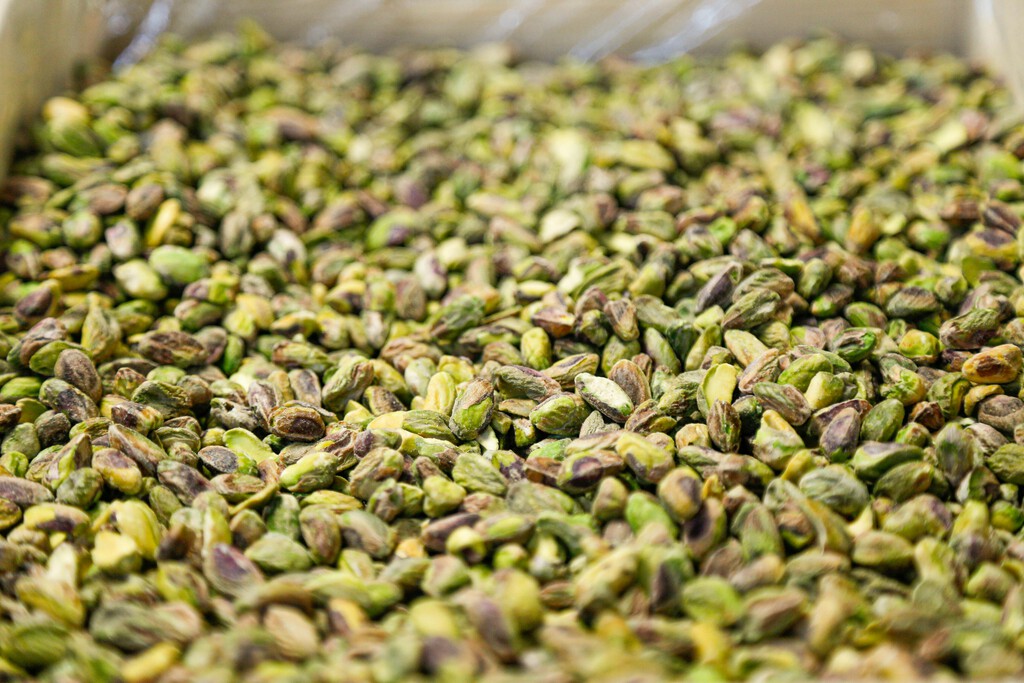
Why Pistachios Matter in the Conflict
The closure of the Strait of Hormuz has disrupted shipments of many goods, including pistachios. Iran's pistachio exports, a crucial revenue source, have been hampered, affecting farmers and traders. Meanwhile, global buyers may turn to US suppliers, further solidifying American market share.
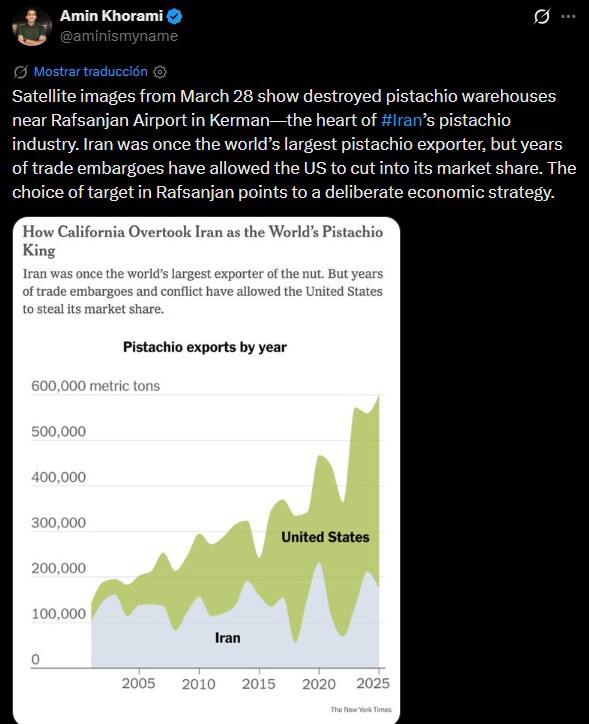
Pistachios are more than a snack; they are a billion-dollar industry. For Iran, they represent a key agricultural export. For the US, they are a growing economic asset. The conflict thus has tangible consequences for both economies.
Key Takeaways
- The US produces 65% of the world's pistachios, with Iran at 18% and Turkey at 11%.
- The US-Iran conflict has disrupted Iran's pistachio exports, potentially benefiting US producers.
- Pistachios are a major agricultural export for Iran, and the conflict threatens this revenue stream.
- Global pistachio prices may fluctuate due to supply chain disruptions.
- The Strait of Hormuz closure affects multiple commodities, including pistachios.
Comparing Pistachio Production
| Country | Production (metric tons) | Global Share |
|---|---|---|
| United States | 712,700 | 65% |
| Iran | ~197,000 | 18% |
| Turkey | ~120,000 | 11% |
What This Means for Global Trade
The conflict highlights the vulnerability of agricultural supply chains to geopolitical shocks. With Iran's exports hindered, importing countries may seek alternatives, potentially increasing demand for US pistachios. This could lead to higher prices for consumers and greater profits for American growers.
Moreover, the situation underscores the importance of diversifying supply sources. Countries reliant on Iranian pistachios may face shortages, prompting them to build relationships with other suppliers. The background to this story is set out in US-Iran Conflict Escalates: Energy Market Risks Surge. A related thread runs through US Iran Strikes Escalate Hormuz Conflict: Key Updates. Earlier coverage in Spain's Pistachio Industry Poised for Major Global Opportunity shows how the argument developed.
The Future of the Pistachio Market
As the truce holds, the long-term impact on the pistachio market remains uncertain. However, the trend is clear: the US will likely maintain its dominance, while Iran's role may diminish further if conflict persists. For farmers and traders, adaptability will be key. A closer look at the same subject appears in US Attacks Tanker in Iran Conflict as Tehran Releases US Citizen. Anyone following the wider picture can start with US Iran Naval Blockade Risks Dragging China Into Conflict. The same theme surfaces in US Iran Strikes Escalate as Hormuz Conflict Intensifies, which takes a different angle.
In conclusion, the US-Iran conflict has brought pistachios into focus, revealing the intricate links between agriculture and geopolitics. As the world watches oil prices, the pistachio market offers a compelling case study of how conflict reshapes economies. Context on how this played out before sits in Halva Recipe: Creamy Sesame Pistachio Middle Eastern Treat. A companion piece, US Strikes on Iran Civilian Infrastructure Escalate Conflict, approaches the same subject from another angle.
FAQ
Why are pistachios important in the US-Iran conflict?
Pistachios are a major agricultural export for Iran and a growing industry for the US. The conflict disrupts Iran's exports, potentially benefiting US producers and affecting global prices.
How has the US become the top pistachio producer?
Through decades of investment in orchards, processing, and marketing, particularly in California, the US has surpassed Iran to become the world's leading pistachio producer.
What impact does the Strait of Hormuz closure have on pistachios?
The closure disrupts shipping routes, delaying pistachio exports from Iran and increasing costs. This can lead to supply shortages and price fluctuations in global markets.
Will pistachio prices rise due to the conflict?
Prices may rise if supply disruptions occur, especially if Iran's exports are severely impacted. However, increased US production could offset some pressure.
Browse the Shop
 Acacia frida deluxe solid wood bed frame |
Bedroom bench |
Bed chest drawers |
Lingerie dresser |
Frame base |
Mirror with jewelry storage |
30 Bathroom Vanity |
Memory foam queen mattress |
Mattresses for back pain |
Nightstand set of 2 |
Grand Goldman Shop |
Civil Lawyer
Deutschland Trikot WM 2026







