

The US-Iran war has entered a strange new phase: Washington insists the conflict is over, yet military actions continue across the Persian Gulf. This contradiction raises serious questions about what "ending a war" actually means when bullets and drones are still in the air.
According to recent statements, Secretary of State Marco Rubio declared that Operation Epic Fury has concluded, while President Trump now describes the conflict as a "miniwar" or a temporary episode where remaining skirmishes are being wrapped up. But on the ground, the situation tells a different story.
Find Original Home Decor sparking conversation at Grand Goldman Shop.

What Washington Is Saying About the US-Iran War
The White House has spent weeks promoting the narrative that the war ended. Rubio's comments about Epic Fury's completion and Trump's downplaying of the conflict as a "miniwar" suggest a deliberate effort to shift public perception toward a diplomatic resolution.
This messaging serves multiple purposes: it reassures markets, reduces pressure for congressional oversight, and frames the administration as having achieved its objectives. However, the gap between rhetoric and reality is widening.
What's Actually Happening on the Ground
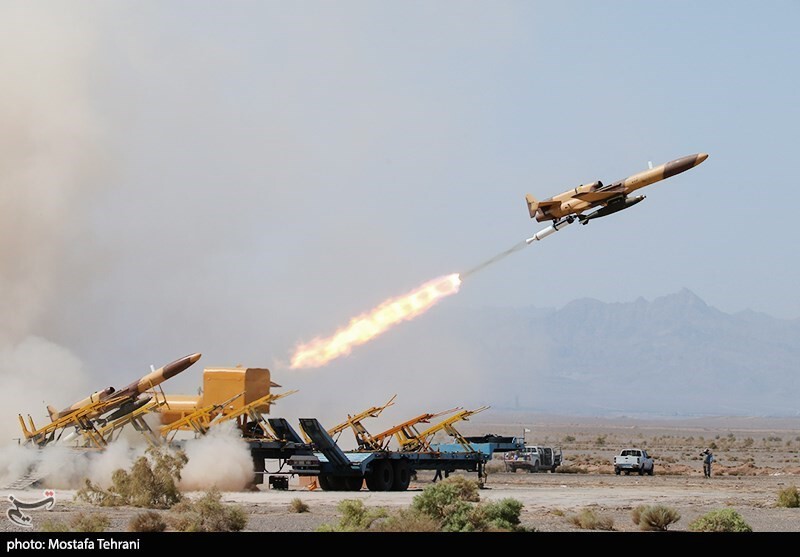
Despite the optimistic pronouncements, drones and missiles continue to fly. US ships are still intercepting Iranian attacks, and forces from both countries keep exchanging fire across the Gulf. The situation is particularly tense in the United Arab Emirates, where bombing incidents are reported almost daily.
This disconnect between official statements and battlefield reality creates a dangerous ambiguity. Iran, for its part, insists that it alone will decide when the war is truly over—not Washington.
Why This Paradox Matters for Global Security
The US-Iran war paradox isn't just a matter of semantics. It affects everything from oil prices to regional stability. When a superpower declares a war over while combat operations persist, it undermines credibility and creates confusion among allies and adversaries alike.
For shipping companies navigating the Strait of Hormuz, the uncertainty is reminiscent of the "Tanker War" between Iran and Iraq in the 1980s, when vessels resorted to changing flags and names overnight to avoid attacks. Then, as now, crews understood that a single miscalculation could turn a routine voyage into a combat zone.
- Contradictory messaging: Washington says the war is over, but military engagements continue.
- Iran's stance: Tehran insists it will determine when hostilities end, not the US.
- Regional impact: UAE faces near-daily bombing incidents, raising risks for civilians and infrastructure.
- Economic stakes: Oil markets and global trade routes remain vulnerable to sudden escalation.
- Credibility gap: The disparity between official claims and reality complicates diplomatic efforts.
How the Conflict Is Being Framed
Both sides are engaged in a battle for narrative control. The US wants to project strength and closure, while Iran aims to demonstrate resilience and autonomy. This framing war has real consequences: it shapes international opinion, influences negotiations, and can either de-escalate or inflame tensions.
Trump's characterization of the conflict as a "miniwar" is particularly telling. It minimizes the scale of violence while allowing for continued military action without the political cost of a full-scale war declaration. The background to this story is set out in US Strikes on Iran Civilian Infrastructure Escalate Conflict. A related thread runs through US Military Power Limits: Iran Conflict Lessons. Earlier coverage in US Iran Strikes Escalate Hormuz Conflict: Key Updates shows how the argument developed.
What to Watch Next in the Persian Gulf
The coming weeks will reveal whether Washington's claims of victory hold. Key indicators include the frequency of attacks, the tone of diplomatic communications, and whether Iran makes good on its promise to decide the war's end on its own terms. A closer look at the same subject appears in US Attacks Tanker in Iran Conflict as Tehran Releases US Citizen. Anyone following the wider picture can start with Strait of Hormuz crisis deepens as US strategy falters. The same theme surfaces in US Iran Strikes Escalate as Hormuz Conflict Intensifies, which takes a different angle.
For now, the US-Iran war remains a volatile mix of official declarations and on-the-ground aggression. Stakeholders should prepare for continued uncertainty and potential escalation, regardless of what leaders say. Context on how this played out before sits in Trump Threatens to Declare Strait of Hormuz US Territory. A companion piece, Iran's Submarine Cable Toll Plan in Strait of Hormuz, approaches the same subject from another angle.
| Aspect | US Position | Iran Position |
|---|---|---|
| Status of war | Declared over; Operation Epic Fury concluded | Ongoing; Iran will decide when it ends |
| Military actions | Intercepting attacks; "mopping up" | Continuing strikes; resisting US pressure |
| Diplomatic stance | Ready for talks; conflict in diplomatic phase | Refuses to negotiate under fire |
| Regional impact | Downplays incidents; cites progress | Highlights US aggression; claims victories |
FAQ
Why does the US say the war is over while fighting continues?
The US aims to project success and reduce political pressure, but continued military actions suggest the conflict is far from resolved. This messaging may be intended to reassure markets and allies.
What is Operation Epic Fury?
Operation Epic Fury is the name given to the US military operation against Iran, which Secretary Rubio claims has concluded. However, no independent verification confirms its end.
How does Iran respond to US claims?
Iran rejects the US narrative, insisting that it will determine when the war ends. Iranian officials point to ongoing US military presence and attacks as evidence that hostilities persist.
What does this mean for global oil markets?
Uncertainty in the Persian Gulf typically leads to volatility in oil prices. Continued incidents could disrupt supply routes, affecting global energy costs.
Browse the Shop
 Acacia frida deluxe solid wood bed frame |
Bedroom bench |
Bed chest drawers |
Lingerie dresser |
Frame base |
Mirror with jewelry storage |
30 Bathroom Vanity |
Memory foam queen mattress |
Mattresses for back pain |
Nightstand set of 2 |
Grand Goldman Shop |
Civil Lawyer
Deutschland Trikot WM 2026







