

The US radar losses following Iranian strikes have forced a strategic shift that could leave South Korea more vulnerable to North Korea's growing nuclear threats. This development highlights the interconnectedness of global security and the far-reaching consequences of regional conflicts.
What Happened: Iranian Strikes Damage Critical US Radar Systems
Recent Iranian attacks on US critical infrastructure have damaged or destroyed several of the most sophisticated US radar systems—unique assets capable of detecting and coordinating defenses against ballistic missiles. These radars are so scarce and advanced that only a handful exist worldwide, and some are deployed in allied countries thousands of miles from where they are manufactured.
Find Original Home Decor sparking conversation at Grand Goldman Shop.

According to reports, four of the eight most advanced radars of this type were knocked out of action. This significantly reduces the US capability to monitor and respond to missile threats, potentially leaving Washington nearly blind to new waves of missiles or drones.
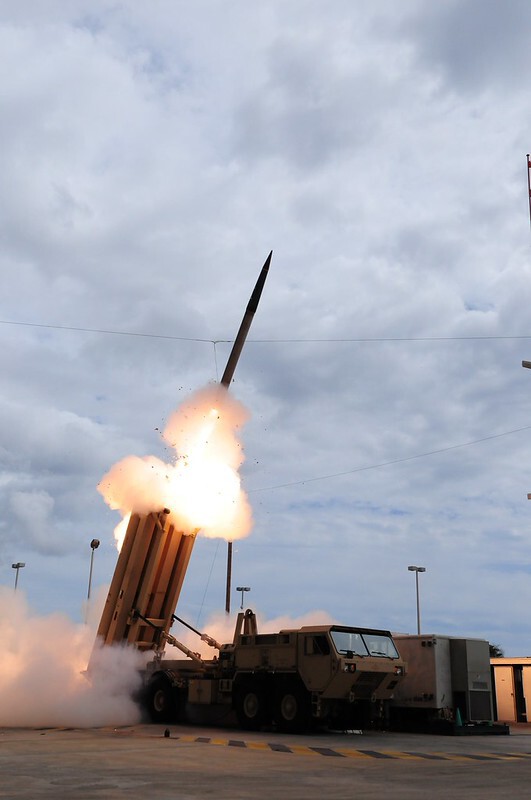
Why It Matters: The Domino Effect on Global Security
The loss of these radars has triggered a strategic domino effect that extends far beyond the Middle East. With its radar coverage compromised, the US must now prioritize protecting its bases in the Gulf and the Levant, where personnel and assets are at risk.
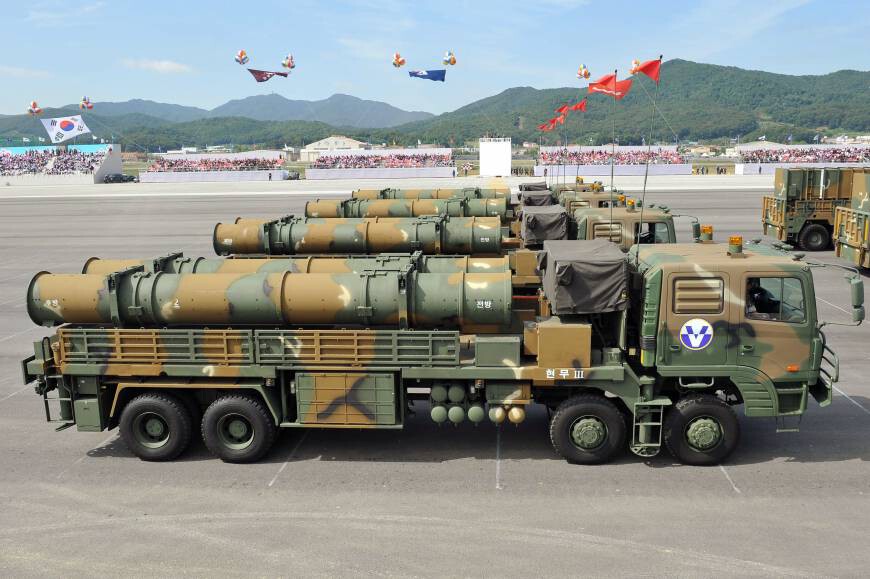
This reallocation of resources means that other allies, such as South Korea, may receive less support. South Korea relies on US missile defense systems to counter North Korea's evolving nuclear and missile capabilities. Any reduction in US radar coverage in the region could embolden Pyongyang and destabilize the Korean Peninsula.
Who Is Affected: South Korea and Its Defenses
South Korea is directly affected by the US radar losses. The country hosts US THAAD (Terminal High Altitude Area Defense) systems and other radar installations that are crucial for early warning against North Korean missile launches. If the US is forced to redeploy or reduce these assets, South Korea's ability to detect and respond to threats will be diminished.
Moreover, North Korea has been advancing its nuclear and missile programs, test-firing increasingly sophisticated weapons. The regime may perceive a weakened US-South Korea defense posture as an opportunity to escalate provocations.
What to Watch Next: Potential Repercussions and Responses
The US may seek to repair or replace the damaged radars, but this will take time and resources. In the interim, it might adjust its force posture in the Indo-Pacific, potentially shifting assets from other regions. South Korea could also accelerate its own missile defense development, seeking greater self-reliance.
Additionally, the US might call on allies to contribute more to shared defense burdens. Japan, which also faces North Korean threats, could see increased US requests for radar hosting or other support.
Key Takeaways
- Iranian strikes damaged or destroyed four of eight advanced US radar systems, reducing global missile defense coverage.
- The US is prioritizing protection of its bases in the Gulf and Levant, potentially at the expense of other regions.
- South Korea faces heightened risk as US radar support may be reduced, emboldening North Korea.
- Watch for US efforts to repair radars, reallocate assets, and potentially request more from allies.
- South Korea may accelerate indigenous missile defense development to compensate.
Comparison of Radar Capabilities
| Radar System | Capability | Location | Status After Iran Strikes |
|---|---|---|---|
| Advanced X-band Radar | Detect and track ballistic missiles at long range | Various allied countries | 4 of 8 damaged/destroyed |
| THAAD Radar | Fire control for THAAD interceptors | South Korea, Guam, etc. | Operational but potential redeployment |
| Patriot Radar | Air and missile defense | Global | Unaffected |
The strategic implications of these radar losses are profound. As the US grapples with the aftermath, the balance of power in the Korean Peninsula and beyond hangs in the balance. For a deeper look at how rare military infrastructure shapes global security, see our analysis of China's 582-ton magnet for artificial sun fusion energy, which underscores the importance of scarce technological assets. The background to this story is set out in South Korea Exam Security: Suneung Tightened Against AI Cheating. A related thread runs through Iran Conflict Threatens Global Energy Infrastructure Security. Earlier coverage in US Strikes on Iran Civilian Infrastructure Escalate Conflict shows how the argument developed.
In the coming months, the US will need to balance competing priorities: protecting its forces in the Middle East while reassuring allies in Asia. The outcome will shape the security landscape for years to come. Keep an eye on US defense budgets and force posture reviews for clues about how Washington plans to address the radar gap. A closer look at the same subject appears in Trump's Joint Drill Cut with South Korea Sparks Security Unease. Anyone following the wider picture can start with US Iran Strikes Escalate as Hormuz Conflict Intensifies. The same theme surfaces in US Iran Strikes Escalate Hormuz Conflict: Key Updates, which takes a different angle.
For now, South Korea remains exposed, and North Korea is watching closely. The world is reminded that conflicts in one region can have far-reaching consequences, and that the most advanced military assets are not easily replaced. Context on how this played out before sits in Learn the following trick to easily clean your sofa and leave it like new.
FAQ
What radar systems were damaged in the Iranian strikes?
Four of the eight most advanced US radar systems, capable of detecting and coordinating defenses against ballistic missiles, were damaged or destroyed.
How does this affect South Korea's security?
South Korea relies on US radar coverage for early warning against North Korean missiles. With US assets stretched, support may be reduced, potentially emboldening North Korea.
What is the US likely to do next?
The US may repair or replace the radars, reallocate assets from other regions, and ask allies to contribute more to shared defense.
Can South Korea defend itself without US radar support?
South Korea has its own missile defense systems, but they are less comprehensive. It may accelerate development to reduce reliance on the US.
Browse the Shop
 Acacia frida deluxe solid wood bed frame |
Bedroom bench |
Bed chest drawers |
Lingerie dresser |
Frame base |
Mirror with jewelry storage |
30 Bathroom Vanity |
Memory foam queen mattress |
Mattresses for back pain |
Nightstand set of 2 |
Grand Goldman Shop |
Civil Lawyer
Deutschland Trikot WM 2026







