

In a high-stakes move, the United States has sent Iran a 15-point plan aimed at ending the war, even as it deploys 3,000 paratroopers to the region. The dual approach of diplomacy and military pressure echoes Cold War tactics, but with tensions running high, the real question is whether this plan can succeed where previous efforts have failed.
What Is the 15-Point Plan?
According to sources, the plan was delivered to Iran via Pakistan as an intermediary. It seeks to halt a conflict that has already disrupted energy markets and threatened regional stability. The document reportedly addresses critical issues such as Iran's nuclear program, ballistic missile development, and maritime security in the Strait of Hormuz.
Find Original Home Decor sparking conversation at Grand Goldman Shop.

However, it remains unclear whether Iran has even agreed to discuss the proposal, and whether Israel supports its contents. Much of the plan appears to be based on previous proposals that were already rejected, casting serious doubt on its viability.
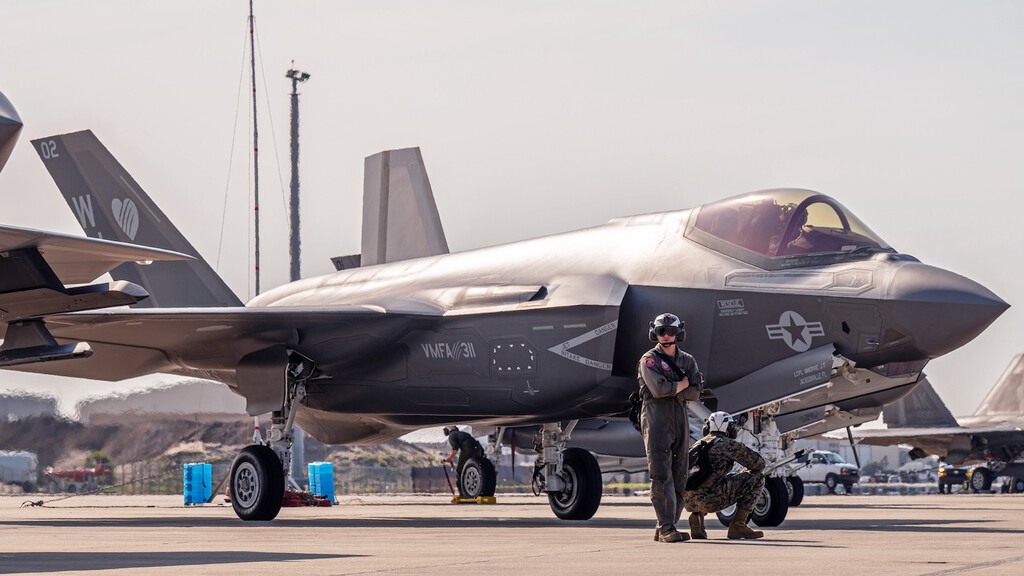
Military Escalation Continues
While Washington presents the plan as a diplomatic off-ramp, the situation on the ground tells a different story. Military operations have continued unabated under the campaign name Epic Fury. The US and Israel have continued to strike Iranian military infrastructure, while Iran has retaliated with its own attacks.
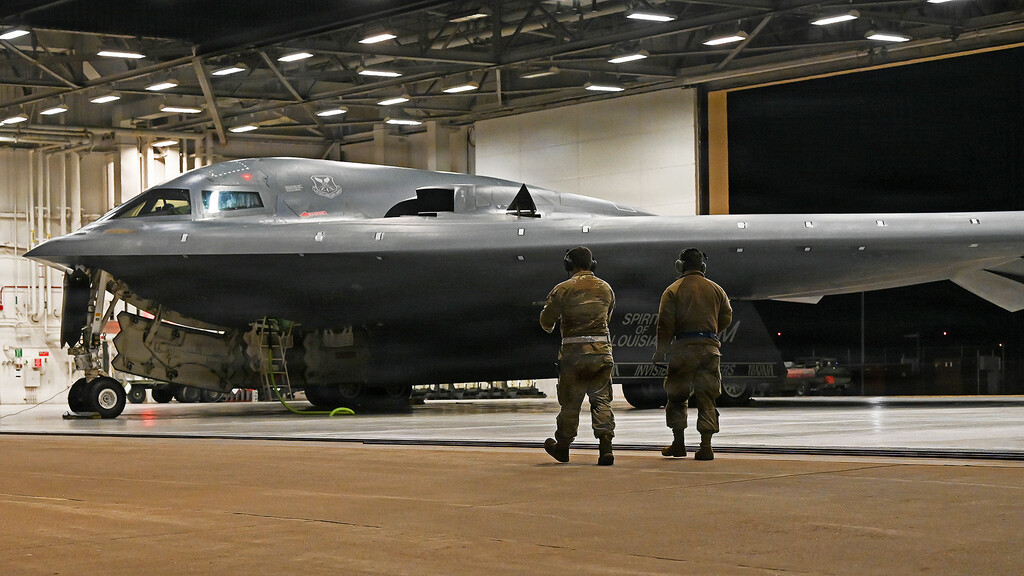
The deployment of 3,000 paratroopers underscores the seriousness of the military option. These forces are likely intended to bolster regional deterrence and protect US interests, but their presence also risks escalating tensions further.
Key Elements of the Plan
- Nuclear program: The plan likely demands limits on Iran's uranium enrichment and enhanced inspections.
- Ballistic missiles: Restrictions on Iran's missile development and testing are expected.
- Maritime security: Ensuring freedom of navigation in the Strait of Hormuz, a vital oil chokepoint.
- Regional activities: Curbing Iran's support for proxy groups in the Middle East.
- Sanctions relief: Potential easing of economic sanctions in exchange for compliance.
Challenges and Obstacles
The plan faces significant hurdles. Iran has historically rejected similar proposals, and its leadership may view the overture as a sign of weakness. Israel, a key US ally, has its own red lines and may oppose any deal that leaves Iran with residual nuclear capabilities. The longer history behind the story is traced in US Sends Iran 15-Point Peace Plan While 3,000 Paratroopers Deploy.
Moreover, the continued military strikes could undermine diplomatic efforts. Iran may be reluctant to negotiate under fire, and hardliners in both countries could sabotage any compromise. The background to this story is set out in Iran War Cost Hits $37.5 Billion: Senator Warns of Forever War. A related thread runs through Trump's Iran War: Is America Stuck in Another Forever War?. Earlier coverage in US Strikes Iran 10th Time; Iran Declares Full-Scale War shows how the argument developed.
Comparison of US and Iranian Positions
| Issue | US Position | Iranian Position |
|---|---|---|
| Nuclear Program | Complete denuclearization | Right to peaceful nuclear energy |
| Ballistic Missiles | Limits and monitoring | Defensive necessity, non-negotiable |
| Strait of Hormuz | Freedom of navigation | Sovereignty and security control |
| Sanctions | Relief only after compliance | Immediate lifting as precondition |
What to Watch Next
The coming weeks will be crucial. If Iran agrees to talks, it could mark a turning point. If not, the conflict may escalate further, with the 3,000 paratroopers potentially drawn into combat. The international community, particularly European powers and China, may pressure both sides to de-escalate. A closer look at the same subject appears in UK Court Orders Return of Trafficking Victim Sent to France. Anyone following the wider picture can start with Trump’s Iran War Repeats Afghanistan Mistakes—A Forever War. The same theme surfaces in Trending: latest articles, which takes a different angle.
For now, the US strategy of combining diplomacy with military force is a calculated gamble. Whether it pays off depends on Iran's willingness to compromise and Israel's support for the plan. Context on how this played out before sits in US A-10 Warthogs Deploy to Middle East: Iran Escalation Signal. A companion piece, Ukraine's Drone Experts Deploy to Mali and Sudan, Shifting War Front, approaches the same subject from another angle.
FAQ
What is the 15-point plan?
What is the 15-point plan?
The 15-point plan is a US proposal sent to Iran via Pakistan to end the war. It covers nuclear issues, ballistic missiles, and maritime security in the Strait of Hormuz.
Why are 3,000 paratroopers being deployed?
The paratroopers are likely being deployed to bolster deterrence, protect US interests, and provide military options if diplomacy fails.
Has Iran accepted the plan?
It is unclear whether Iran has even agreed to discuss the plan. Previous similar proposals were rejected, so skepticism is high.
What role is Israel playing?
Israel has continued military strikes on Iranian infrastructure alongside the US. It is unclear whether Israel supports the 15-point plan, as it may have its own red lines.
Browse the Shop
 Acacia frida deluxe solid wood bed frame |
Bedroom bench |
Bed chest drawers |
Lingerie dresser |
Frame base |
Mirror with jewelry storage |
30 Bathroom Vanity |
Memory foam queen mattress |
Mattresses for back pain |
Nightstand set of 2 |
Grand Goldman Shop |
Civil Lawyer
Deutschland Trikot WM 2026







