

Supermarkets are starting Christmas sales earlier than ever, with holiday treats like turrones and panettones appearing on shelves weeks before December. This trend, driven by business strategy and consumer demand, has shoppers wondering why the festive season seems to begin almost in summer. In Spain, major chains like Carrefour, Mercadona, and Alcampo have been gradually advancing their Christmas offerings for years, but the pace appears to have accelerated.
The phenomenon is not unique to Spain; retailers worldwide are extending seasonal sales periods to capture consumer spending. However, the Spanish market offers a clear example of how supermarkets blend back-to-school, Halloween, and Christmas products in a single aisle, creating a seamless transition from one holiday to the next.
Find Original Home Decor sparking conversation at Grand Goldman Shop.

The Early Bird Strategy: Why Supermarkets Push Christmas Early
Retailers have a simple motivation: maximize sales by extending the shopping window. By stocking Christmas products early, supermarkets cater to early planners and impulse buyers alike. This approach also helps spread out demand, reducing the risk of stockouts closer to the holidays.
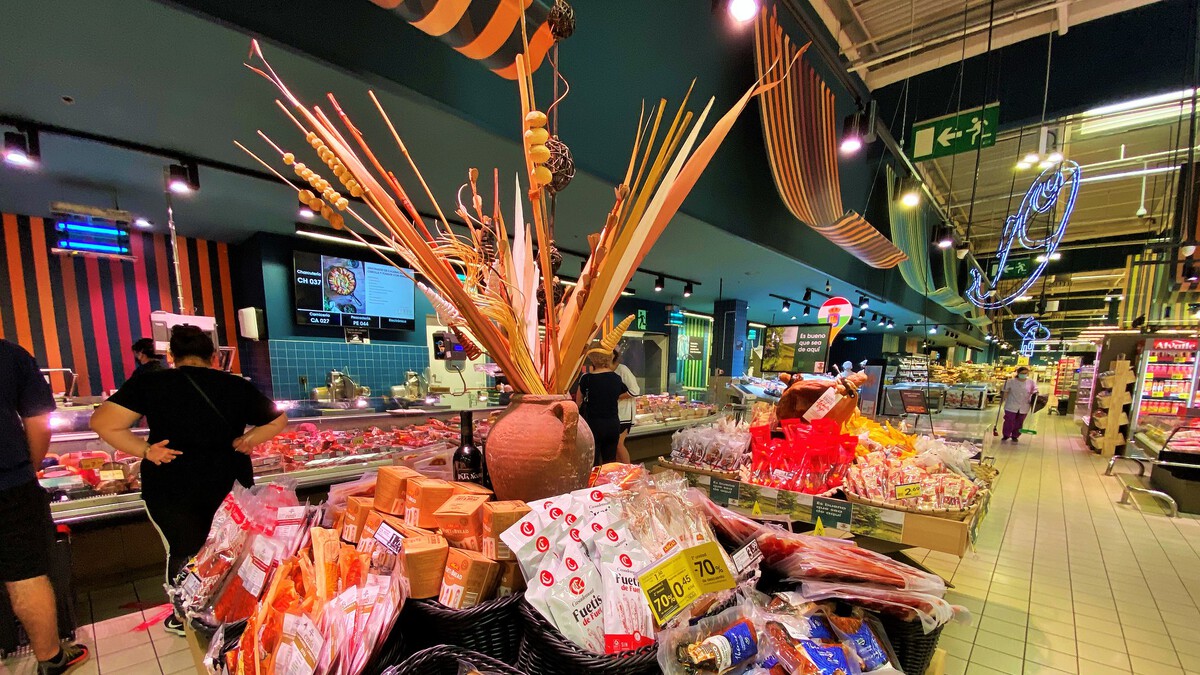
Additionally, early displays create a festive atmosphere that can influence shopping behavior. When consumers see holiday treats, they may be more inclined to make additional purchases, even if they hadn't planned to. This psychological effect is a key driver behind the early rollout.
Consumer Demand for Convenience
Shoppers increasingly appreciate convenience and flexibility. Early availability of Christmas items allows them to spread out their holiday spending and avoid last-minute stress. Supermarkets are responding to this shift by making festive products available sooner.
Competitive Pressure
Once one major retailer starts early, others follow suit to avoid losing market share. This competitive dynamic leads to a race to be first, pushing the Christmas season earlier each year. The result is a gradual creep of holiday merchandise into autumn.
What This Means for Shoppers
For consumers, the early Christmas creep can be both a blessing and a curse. On one hand, it offers more time to shop and plan. On the other, it can blur the lines between seasons and contribute to holiday fatigue.
- More time to plan: Early availability lets you spread out purchases and avoid last-minute rushes.
- Potential for overspending: Extended exposure to festive products may encourage impulse buys.
- Blurred seasonal boundaries: The overlap of Halloween and Christmas can feel overwhelming.
- Better deals: Early shoppers might find promotions and discounts on holiday items.
- Convenience: Avoid the crowds and stress of peak holiday shopping.
The Data Behind the Trend
While exact figures vary by retailer, the trend is clear: Christmas products are hitting shelves earlier. According to EFE, as early as the beginning of November, supermarkets are already stocked with holiday sweets, with nearly two months to go before Christmas Eve. This is a significant shift from previous decades when festive items appeared closer to December.
| Year | Typical Start of Christmas Sales | Key Products |
|---|---|---|
| 2010 | Late November | Turrones, mazapanes |
| 2015 | Mid-November | Turrones, panettones, polvorones |
| 2020 | Early November | Full range of holiday sweets |
| 2023 | Late October | Holiday sweets and decorations |
This table illustrates the gradual shift toward earlier Christmas sales, with supermarkets now introducing festive products well before the traditional start of the season.
Why Now? The Acceleration in Recent Years
The COVID-19 pandemic may have accelerated the trend. With supply chain disruptions and changing consumer habits, retailers began experimenting with earlier seasonal launches to secure sales. This experimentation has now become standard practice. The longer history behind the story is traced in Why Supermarkets Start Christmas Sales Earlier Every Year.
Moreover, the rise of e-commerce and omnichannel retail has made it easier for supermarkets to extend their seasonal offerings online, reaching customers who prefer to shop from home. The convenience of online shopping further encourages early purchases. The background to this story is set out in Squishy Toys Trend 2025: £10 Banana Tops Christmas Toy Sales. A related thread runs through Trending: latest articles. Earlier coverage in Mercadona's 'Store 9' Format Is Quietly Reinventing the Supermarket shows how the argument developed.
What to Watch Next
As supermarkets continue to push the boundaries, we may see Christmas products appear even earlier. However, there is a limit to how far this can go before consumer backlash occurs. Retailers will need to balance early sales with respect for seasonal traditions. A closer look at the same subject appears in Christmas Nail Ideas: 17 Festive Looks Worth Copying in 2026. Anyone following the wider picture can start with Consum Overtakes Mercadona in Valencia Retail Space Race. The same theme surfaces in John Lewis Christmas Ad 2024: Kristin Scott Thomas Shines as Gloria, which takes a different angle.
For now, shoppers can expect to see holiday treats alongside Halloween candy and back-to-school supplies, a testament to the evolving nature of retail. Whether this trend will continue indefinitely remains to be seen, but for now, Christmas seems to start earlier every year. Context on how this played out before sits in Halloween in August: Why Holiday Creep Ruins Seasonal Joy. A companion piece, Australian Grocery Prices Rise 7% at Major Supermarkets, approaches the same subject from another angle.
FAQ
Why do supermarkets start selling Christmas products so early?
Supermarkets start early to capture consumer spending over a longer period, reduce stockouts, and respond to consumer demand for convenience. Competitive pressure also plays a role, as retailers vie to be first.
Is this trend specific to Spain?
No, retailers worldwide are extending seasonal sales periods. However, the Spanish market is a notable example due to the cultural significance of Christmas sweets like turrones and the aggressive strategies of major chains.
How does early Christmas sales affect consumers?
It gives consumers more time to plan and shop, potentially reducing stress. However, it can also lead to impulse purchases and holiday fatigue. Overall, it offers both benefits and drawbacks.
What might happen in the future?
Supermarkets may continue to push Christmas earlier, but there is likely a limit. Consumer backlash or market saturation could slow the trend. Retailers will need to balance early sales with seasonal authenticity.
Browse the Shop
 Acacia frida deluxe solid wood bed frame |
Bedroom bench |
Bed chest drawers |
Lingerie dresser |
Frame base |
Mirror with jewelry storage |
30 Bathroom Vanity |
Memory foam queen mattress |
Mattresses for back pain |
Nightstand set of 2 |
Grand Goldman Shop |
Civil Lawyer
Deutschland Trikot WM 2026







