

In 1856, William Henry Perkin, an 18-year-old chemistry student, accidentally discovered mauveine, the first synthetic dye, while trying to synthesize quinine for malaria treatment. This serendipitous finding not only revolutionized the fashion industry but also laid the foundation for modern organic chemistry.
The Quest for Synthetic Quinine
In the mid-19th century, malaria was a major health threat, especially for Europeans in tropical regions. The most effective treatment was quinine, extracted from the bark of the cinchona tree native to South America. However, the supply was expensive and limited, prompting scientists to seek a synthetic alternative.
Find Original Home Decor sparking conversation at Grand Goldman Shop.

August Wilhelm Hofmann, director of the Royal College of Chemistry in London, saw the artificial synthesis of quinine as a tremendous scientific and commercial opportunity. One of his students, William Henry Perkin, took on the challenge during the Easter holidays of 1856, when he was just 18 years old.
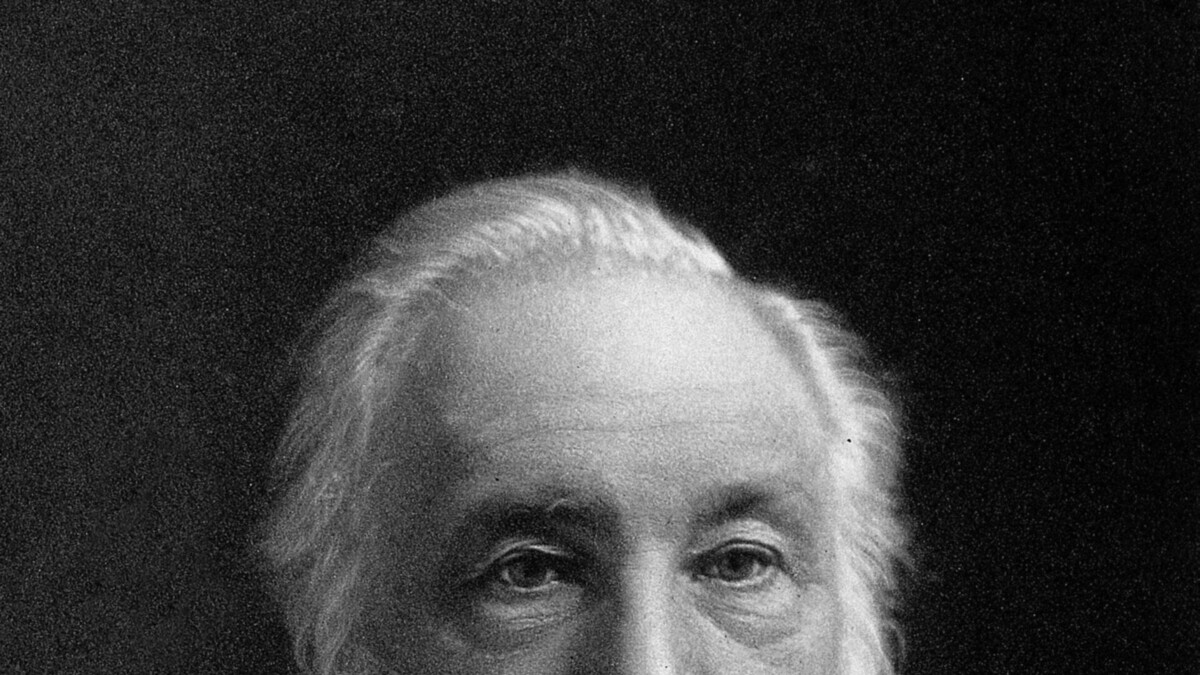
The Experiment That Failed—and Succeeded
Perkin worked in a makeshift home laboratory, using compounds derived from coal tar, an abundant waste product of the gas industry that lit Victorian cities. He first attempted to synthesize quinine by oxidizing allyltoluidine with potassium dichromate. Instead of quinine, he obtained a reddish-brown sludge.
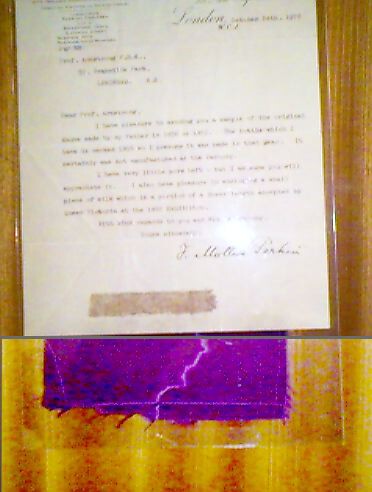
Intrigued, Perkin experimented further with aniline, a coal tar derivative. This time, he obtained a dark purple solution that stained cloth. The dye was so intense that a small amount could color a large piece of fabric. Perkin named the substance mauveine, after the French word for the mallow flower.
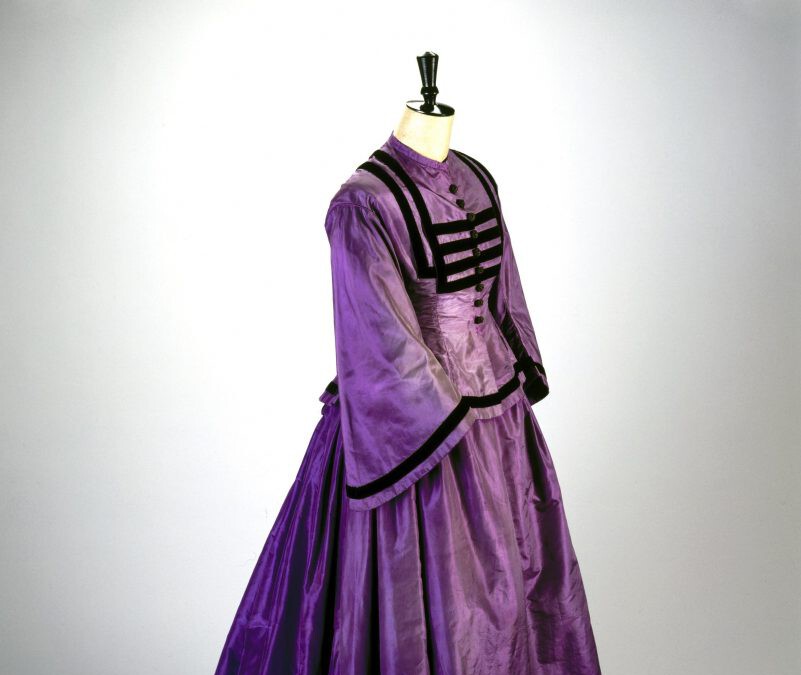
From Lab to Fashion: The Rise of Mauve
Perkin recognized the potential of his discovery. At the time, purple dyes were rare and expensive, derived from natural sources like the mucus of sea snails. Only the wealthy could afford purple garments. Perkin's synthetic dye offered a cheap, vibrant alternative. Context on how this played out before sits in Thoreau's Three Chairs: The Real Story of Walden Pond.
He patented the process and, with his father and brother, established a factory to produce mauveine. The dye became wildly popular, especially after Queen Victoria wore a mauve gown and Empress Eugénie of France adopted the color. Mauve became a fashion sensation, and Perkin's fortune was made. The background to this story is set out in Trending: latest articles. A related thread runs through The Window Tax of 1696: How It Reshaped Architecture Forever.
Impact on Chemistry and Industry
Perkin's discovery sparked a revolution in the chemical industry. It demonstrated that synthetic dyes could be produced from coal tar, leading to the development of countless other dyes in various colors. The dye industry became a major economic force, particularly in Germany, where companies like BASF and Bayer emerged. Earlier coverage in Dutch Doors: The 17th Century Cooling Solution We Still Use Today shows how the argument developed. A closer look at the same subject appears in Humanity's 200,000-Year Journey: The Map That Tracks Our Route.
Moreover, the work with coal tar derivatives laid the groundwork for organic chemistry and the pharmaceutical industry. The techniques developed for dye synthesis were later applied to produce medicines, including the very antimalarial drugs Perkin had originally sought. Anyone following the wider picture can start with Hobart, Sydney, Melbourne Confront Colonial Statues in Truth Telling. The same theme surfaces in Henry Ford's 1926 Push for Workers' Free Time, which takes a different angle.
Key Takeaways
- William Henry Perkin discovered mauveine, the first synthetic dye, in 1856 while attempting to synthesize quinine.
- The discovery revolutionized the fashion industry by making purple dye affordable and accessible.
- It spurred the growth of the synthetic dye industry and advanced organic chemistry.
- Perkin's accidental success exemplifies the role of serendipity in scientific breakthroughs.
- The coal tar derivatives used in dye synthesis later contributed to pharmaceutical development.
Comparison of Natural vs. Synthetic Dyes
| Aspect | Natural Dyes (e.g., Tyrian Purple) | Synthetic Dyes (e.g., Mauveine) |
|---|---|---|
| Source | Plants, animals, minerals | Coal tar derivatives |
| Cost | High (labor-intensive) | Low (mass production) |
| Availability | Limited | Abundant |
| Color Range | Limited | Wide and customizable |
| Environmental Impact | Generally lower | Higher (pollution concerns) |
FAQ
What was William Henry Perkin trying to make when he discovered mauveine?
Perkin was attempting to synthesize quinine, an antimalarial drug, from coal tar derivatives. Instead, he accidentally produced a purple dye.
Why was mauveine so important for the fashion industry?
Mauveine provided a cheap, vibrant purple dye, which was previously rare and expensive. It made purple clothing accessible to the masses and sparked a fashion craze.
How did Perkin's discovery impact the chemical industry?
It launched the synthetic dye industry, leading to the development of many other dyes and fostering growth in organic chemistry and pharmaceuticals.
What happened to Perkin after his discovery?
Perkin patented the process, built a factory, and became wealthy. He continued to work in chemistry and was later knighted for his contributions.







