

The world's oldest leather has been identified in Granada, Spain, dating back approximately 7,200 years and preserving the DNA of a Neolithic goat. This remarkable find, recovered from the prehistoric Cave of the Bats (Cueva de los Murciélagos) in the municipality of Albuñol, offers an unprecedented glimpse into the lives of early herders on the Iberian Peninsula.
An international team led by University College Dublin and the University of Alcalá used radiocarbon dating to determine that the leather fragment is between 7,246 and 7,008 calibrated years before present. The study, which also recovered ancient DNA, marks the first time nuclear DNA from domestic goats in the Iberian Peninsula has been obtained.
Find Original Home Decor sparking conversation at Grand Goldman Shop.

What Was Found in the Cave of the Bats?
The artifact is a piece of goat leather with hair still intact on one side and traces of tanning on the other. It was likely part of a funerary assemblage, perhaps used to wrap a body or as a garment. Two fragments were found and are believed to come from the same animal.
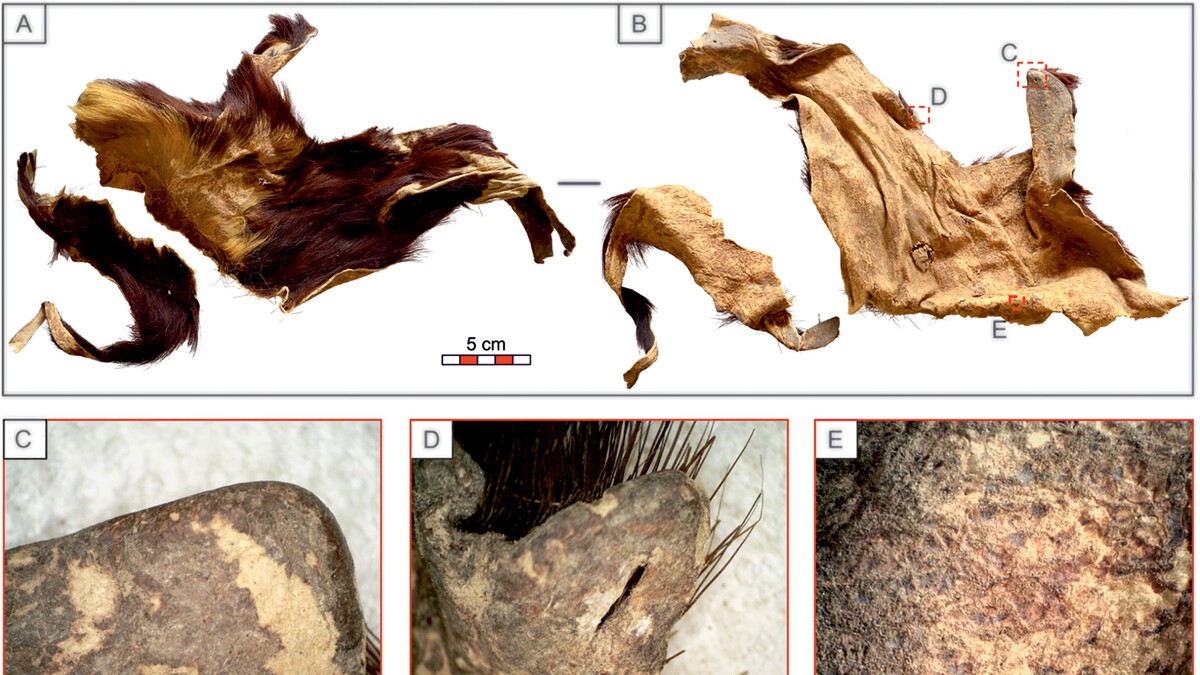
The cave itself served as a cemetery for millennia. In the 19th century, miners searching for galena (a lead ore) walled up the leather between stones, either unaware of its significance or indifferent to it. There it remained until its rediscovery and subsequent dating.
Preserved DNA and Human Touch
Researchers also recovered fragments of human DNA that suggest someone may have handled or worn the piece. Additionally, DNA from a canid (dog or wolf) was found, likely from a later period. These genetic traces add layers to the story of the leather's use and deposition.
Why Is This Discovery Important?
This find is significant for several reasons. It represents the oldest known leather in the world, pushing back the timeline of leatherworking by centuries. Moreover, the extraction of nuclear DNA from a domestic goat is a first for the Iberian Peninsula, providing valuable genetic data for understanding early animal domestication.
The leather's preservation is exceptional, allowing scientists to analyze both its physical structure and genetic makeup. This combination of radiocarbon dating and ancient DNA analysis offers a powerful tool for reconstructing prehistoric lifeways.
- Oldest leather: The fragment dates to 7,200 years ago, making it the world's oldest known leather.
- First nuclear goat DNA: It yields the first nuclear DNA from domestic goats in the Iberian Peninsula.
- Funerary context: The leather was likely part of a burial assemblage in a cave used as a cemetery.
- Human and canid DNA: Traces of human and canid DNA were also recovered, hinting at handling and later contamination.
- International collaboration: The study involved University College Dublin and the University of Alcalá.
How Was the Leather Dated and Analyzed?
The team used radiocarbon dating on the leather itself, calibrating the results to account for atmospheric fluctuations. The date range of 7,246–7,008 years before present (with 1950 as the reference year) places the leather firmly in the Neolithic period.
DNA analysis involved extracting genetic material from the leather and sequencing it. The recovery of nuclear DNA, which is more informative than mitochondrial DNA, allowed researchers to compare the goat's genome with modern and ancient breeds.
| Attribute | Detail |
|---|---|
| Material | Goat leather with hair and tanning traces |
| Age | 7,246–7,008 calibrated years BP |
| Location | Cueva de los Murciélagos, Albuñol, Granada, Spain |
| DNA recovered | Nuclear DNA from domestic goat; human and canid DNA fragments |
| Significance | World's oldest leather; first nuclear goat DNA from Iberian Peninsula |
What Does the DNA Reveal About Neolithic Goats?
The nuclear DNA from the goat provides a genetic snapshot of domesticated animals in the Neolithic Iberian Peninsula. It can help trace migration patterns, breeding practices, and the spread of agriculture.
Previous studies have relied on mitochondrial DNA, which only shows maternal lineage. Nuclear DNA offers a more complete picture, including paternal and maternal contributions. This genome is among the oldest ever recovered from a domestic animal in the region.
Implications for Understanding Early Herding
The presence of goat leather in a funerary context suggests that goats were not only a food source but also held symbolic or practical value in burial rituals. The tanning process indicates sophisticated craftsmanship. The longer history behind the story is traced in World's Oldest Leather Found in Granada, Spain: 7,200-Year-Old Goat DNA.
Further analysis of the DNA may reveal connections to modern goat breeds and shed light on how herding practices evolved over millennia. The background to this story is set out in Granada Munitions Factory Explosion: Spain's Oldest Ammo Plant Shaken. A related thread runs through Endangered Australian Bat Population Drops 16% in Summer. Earlier coverage in Bats Originated in Europe 65 Million Years Ago, Study Reveals shows how the argument developed.
What Happens Next?
Researchers plan to conduct more detailed genetic analyses and compare the genome with other ancient goat samples from Europe and North Africa. The cave may hold additional artifacts that could provide context. A closer look at the same subject appears in Trending: latest articles. Anyone following the wider picture can start with Pine Twig Torches Lit the Way for 14,400-Year-Old Cave Explorers. The same theme surfaces in Spain's World Cup Screen Ban: Two Towns Resist Terrace TVs, which takes a different angle.
Conservation efforts will focus on preserving the leather and other organic materials from the site. The discovery also highlights the importance of revisiting museum collections and archaeological stores, where overlooked items may yield groundbreaking insights. Context on how this played out before sits in Ideas to Reuse Old Leather Belts. A companion piece, Ancient Humans Made Beds and Changed Them 200,000 Years Ago, approaches the same subject from another angle.
FAQ
How old is the world's oldest leather?The leather dates to between 7,246 and 7,008 calibrated years before present, making it approximately 7,200 years old.
Where was the leather found?It was found in the Cueva de los Murciélagos (Cave of the Bats) in Albuñol, Granada, Spain.
What kind of animal did the leather come from?The leather comes from a domestic goat, as identified by DNA analysis.
Why is this discovery significant?It is the oldest known leather in the world and provides the first nuclear DNA from a domestic goat in the Iberian Peninsula, offering insights into Neolithic life and animal domestication.
Browse the Shop
 Acacia frida deluxe solid wood bed frame |
Bedroom bench |
Bed chest drawers |
Lingerie dresser |
Frame base |
Mirror with jewelry storage |
30 Bathroom Vanity |
Memory foam queen mattress |
Mattresses for back pain |
Nightstand set of 2 |
Grand Goldman Shop |
Civil Lawyer
Deutschland Trikot WM 2026







