

China has launched a new 29-character identity code for humanoid robots, a move that goes far beyond a simple serial number. The initiative, presented in the Beijing Economic-Technological Development Area, aims to give each robot a unique and unchangeable ID throughout its lifecycle.
The code is divided into four segments: two characters for the country, four for the manufacturer, six for the product model and technical features, and 17 for the individual serial number. This structure allows the code to convey where the robot was made, who built it, what model it is, and which specific unit it represents.
Find Original Home Decor sparking conversation at Grand Goldman Shop.

Why China Is Giving Robots an Identity Code
According to Xinhua, the standard introduces this identity code for the first time, and it is not meant to be a temporary reference. Authorities say it will be unique and remain unchanged over time. This mirrors how people have ID cards and vehicles have VINs—a way to know what something is, where it came from, and its history.
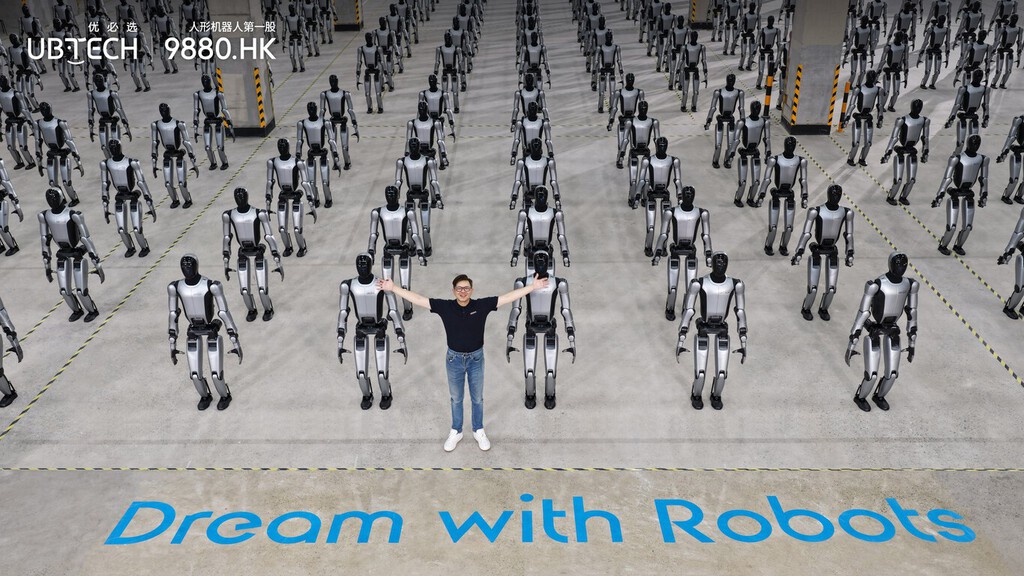
The move is part of a broader effort to manage the full lifecycle of humanoid robots. As these machines become more common in factories, hospitals, and homes, having a reliable identity system is essential for tracking ownership, maintenance, and even liability in case of accidents.
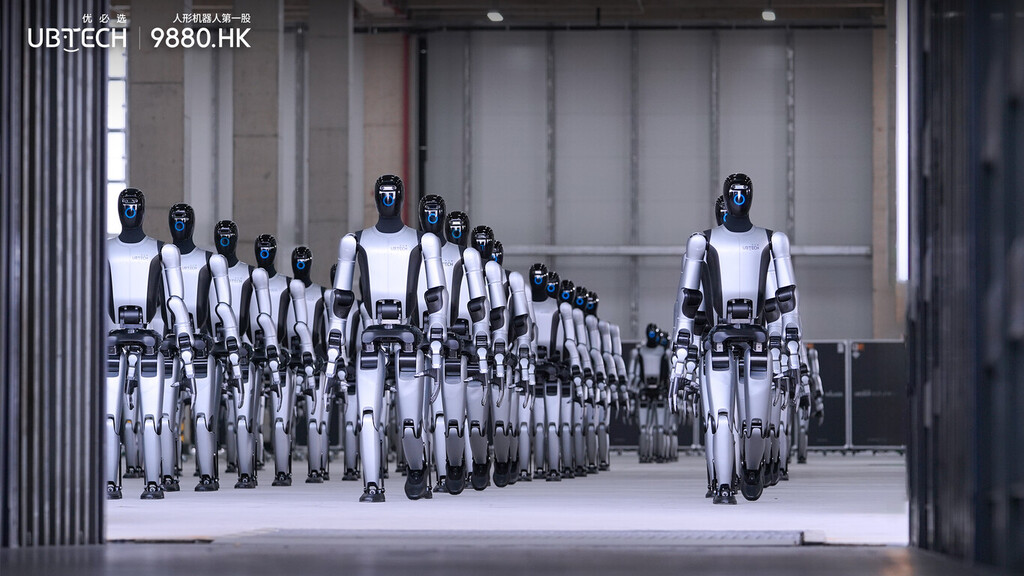
What the 29-Character Code Reveals
The code is designed to be informative. The first two characters indicate the country of origin, which in this case would be China. The next four identify the manufacturer, allowing authorities to trace the robot back to its producer. The following six characters specify the model and its technical characteristics, giving a sense of the robot's capabilities. Finally, the 17-character serial number ensures each unit is uniquely identifiable.
This level of detail is unprecedented for humanoid robots. It means that a simple scan of the code could provide a wealth of information about the robot's provenance and specifications.
How the Robot ID System Will Work in Practice
The identity code is likely to be integrated into a centralized management platform. The Beijing meeting focused on a platform for managing the complete lifecycle of humanoid robots, suggesting that the code will be used to register robots at manufacture, track them through their operational life, and manage their decommissioning.
Such a system could help with recalls, software updates, and regulatory compliance. It could also enable new business models, such as robot-as-a-service, where ownership and responsibility are shared among multiple parties.
- Unique and immutable: Each robot gets a permanent ID that cannot be changed.
- Information-rich: The code encodes country, manufacturer, model, and serial number.
- Lifecycle management: The ID supports tracking from production to retirement.
- Regulatory tool: Authorities can use it to enforce safety and compliance.
- Industry standard: It sets a precedent for other countries to follow.
Comparing Robot ID to Other Identification Systems
The 29-character code is more detailed than many existing identification systems. For example, a car's VIN is 17 characters, while a human ID number varies by country. The robot ID's length allows for more specific information, which is crucial for complex machines like humanoid robots.
| Entity | ID Length | Key Information Encoded |
|---|---|---|
| Human (China ID) | 18 digits | Region, birth date, gender, checksum |
| Vehicle (VIN) | 17 characters | Country, manufacturer, model, serial |
| Humanoid Robot (China) | 29 characters | Country, manufacturer, model, features, serial |
As the table shows, the robot ID includes more granular details about the product's technical features, which is essential for managing complex robotic systems.
Implications for the Robotics Industry and Beyond
This initiative could have far-reaching effects. For manufacturers, it means adhering to a standardized identification system, which could become a requirement for selling robots in China. For consumers, it provides assurance about the robot's origin and history. For regulators, it offers a tool to monitor and control the deployment of humanoid robots. The background to this story is set out in Humanoid Robots Decapitate Each Other in Viral Kick Fight. A related thread runs through China's Humanoid Robots Ride Robot Horses at World Robot Conference. Earlier coverage in Xiaomi's Humanoid Robots Now Assemble Cars Beyond Just Screws shows how the argument developed.
It also raises questions about privacy and data security. If each robot has a unique ID, it could be used to track not just the robot but also its interactions and the data it collects. China will need to address these concerns as the system rolls out. A closer look at the same subject appears in Humanoid Robots Set Sights on Everest After Chimborazo Climb. Anyone following the wider picture can start with China's Military Humanoid Robots: From Showcase to Battlefield. The same theme surfaces in BMW Tests Humanoid Robots for Complex Factory Tasks, which takes a different angle.
What to Watch Next
The next steps will likely involve the implementation of the management platform and the integration of the ID code into manufacturing processes. Other countries may also consider similar systems, especially as humanoid robots become more prevalent. The success of China's approach could set a global standard. Context on how this played out before sits in Chinese Firm UBTech Unveils Companion Humanoid Robots From €15,000. A companion piece, Chris Rock's Misty Green Falls Short on Black Character Depth, approaches the same subject from another angle.
FAQ
What is the 29-character robot ID?
It is a unique code assigned to each humanoid robot in China, consisting of 29 characters that encode the country of origin, manufacturer, model, and serial number. It is designed to be permanent and unchangeable.
Why does China need a robot ID system?
The system helps track robots throughout their lifecycle, ensuring traceability for maintenance, recalls, and regulatory compliance. It also supports the growing humanoid robot industry by providing a standard for identification.
How does the robot ID compare to a car's VIN?
The robot ID is longer (29 characters vs. 17) and includes more detailed information about the robot's technical features. Both serve similar purposes: unique identification and traceability.
Will other countries adopt similar robot ID systems?
It is possible, as humanoid robots become more common and the need for regulation grows. China's system could serve as a model for international standards, but adoption will depend on local regulations and industry practices.
Browse the Shop
 Acacia frida deluxe solid wood bed frame |
Bedroom bench |
Bed chest drawers |
Lingerie dresser |
Frame base |
Mirror with jewelry storage |
30 Bathroom Vanity |
Memory foam queen mattress |
Mattresses for back pain |
Nightstand set of 2 |
Grand Goldman Shop |
Civil Lawyer
Deutschland Trikot WM 2026







