

Sam Altman, the CEO of OpenAI, has publicly stated that AI will not bring about a four-hour workweek. In a conversation with host Ti Morse on the Relentless podcast, Altman poured cold water on the long-held tech promise of drastically reduced working hours. His comments challenge the narrative that artificial intelligence will automatically free up vast amounts of leisure time for the average worker.
The statement carries extra weight because it comes from the man whose company has done more than most to push AI into the mainstream with ChatGPT. Altman is not a skeptic looking from the outside; he is the insider who has spent years promising that AI will reshape work as we know it. Now he is tempering expectations about what that reshaping will actually deliver.
Find Original Home Decor sparking conversation at Grand Goldman Shop.

The Broken Promise of Technology and Shorter Hours
Altman acknowledged that technology has long promised people they would work less and have much more free time. He admitted that this has partly come true: today we enjoy more leisure and a better quality of life than decades ago. But that consolation stops there for employees hoping for a lighter schedule.
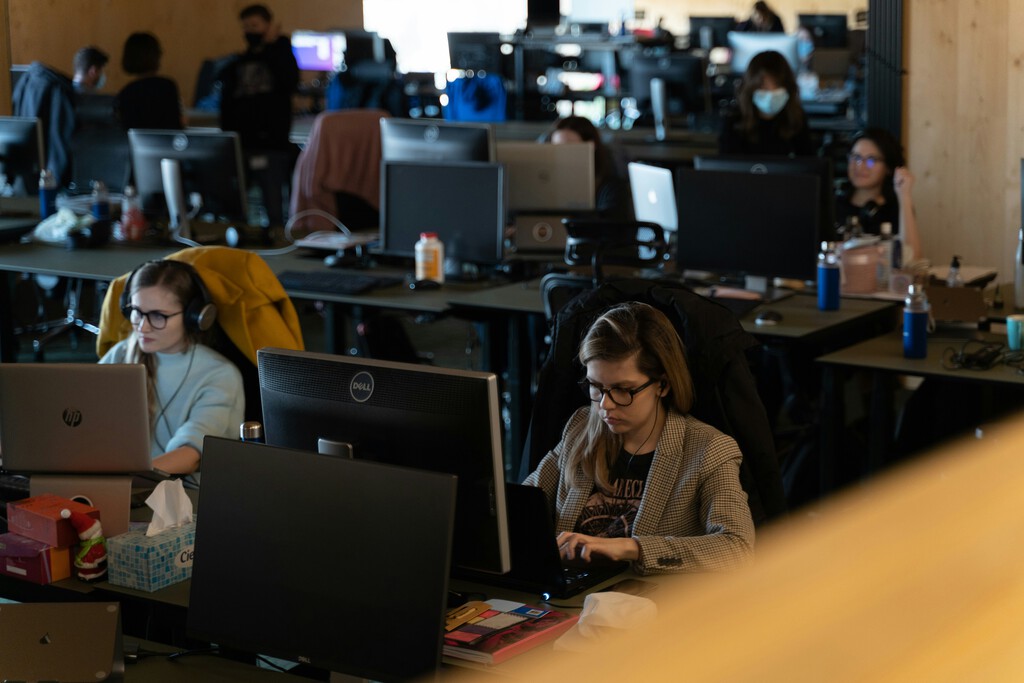
"For some reason, we never see the promise of the four-hour workweek reach society at large," Altman said. "And I don't expect AI to change that." The remark is blunt on its own, but it lands harder coming from the founder and CEO of the company that has most aggressively promoted AI as a workplace revolution.
This is not the first time a major technology has been sold on the dream of less work. The steam engine, the computer, and the internet all arrived with similar promises of shorter hours and more rest. Each time, the reality has been more complicated, with productivity gains often absorbed by new demands rather than converted into free time.
Why Human Nature Blocks the Four-Hour Workweek
According to Altman, the culprit is human nature itself. "We always want more," he said. "We think of new things." In other words, as soon as technology makes something easier, people raise their expectations and find new goals to pursue. The baseline shifts, and the extra time gets filled with new ambitions rather than saved as leisure.
This psychological dynamic helps explain why shorter workweeks rarely materialize at scale. Even when productivity rises, the gains tend to be reinvested into growth, new projects, or higher standards of living. Workers may benefit in terms of better goods and services, but not necessarily in terms of fewer hours on the clock.
Altman's view suggests that AI will follow the same pattern. Rather than giving everyone a three-day weekend, AI may simply raise the bar for what is expected, leaving the traditional workweek largely intact. The technology may change what we do, but not necessarily how much time we spend doing it.
What This Means for Workers and Policymakers
Altman's comments are a reality check for anyone betting on AI as a shortcut to a shorter workweek. They also raise important questions for policymakers and business leaders. If AI does not automatically reduce working hours, then any push for a four-hour workweek will need to come from deliberate policy and cultural change, not from technological progress alone.
- AI may boost productivity but not automatically reduce working hours.
- Human nature drives people to take on new goals rather than work less.
- Shorter workweeks require policy and cultural shifts, not just technology.
- Altman's stance challenges the hype around AI as a leisure revolution.
For workers, the takeaway is that adapting to AI will likely mean learning new skills and navigating changing expectations, rather than counting on more free time. For companies, it means the competition for productivity may intensify as AI tools become more capable.
The Bigger Debate Over AI and Work
Altman's remarks add fuel to a broader debate about AI's impact on employment. Some experts predict massive job displacement, while others foresee new roles and industries emerging. What Altman is saying is that even in the best-case scenario, the dream of a four-hour workweek is unlikely to become the norm.
This does not mean AI will have no positive effects on work-life balance. It could make certain tasks less tedious, allow more flexible arrangements, and improve overall quality of life in ways we cannot yet foresee. But the idea that AI will simply hand society a shorter workweek is, in Altman's view, a fantasy.
| Technology | Promise | Reality |
|---|---|---|
| Steam engine | Less manual labor, more leisure | Industrialization increased working hours initially |
| Computer | Paperless office, shorter weeks | More tasks, always-on culture |
| Internet | Remote work, free time | Blurred work-life boundaries |
| AI | Four-hour workweek | Altman says unlikely to materialize |
The pattern is clear: each wave of technology has promised more leisure but delivered more productivity and new demands. Altman's prediction is that AI will be no different. The background to this story is set out in Sam Altman Asks for Trust in AI: OpenAI's Safety Pledge. A related thread runs through Sam Altman Says AI Will Make Bad Things Happen: The Deadly Cost. Earlier coverage in Artificial Review: Guadagnino's Satire on OpenAI and Sam Altman shows how the argument developed.
What to Watch Next
As AI continues to advance, the conversation about work hours will likely intensify. Altman's comments may prompt more scrutiny of the claims made by tech leaders about AI's benefits. It will be important to watch whether companies use AI gains to offer shorter weeks or simply to demand more output. A closer look at the same subject appears in BC Sues OpenAI and Sam Altman Over Tumbler Ridge School Shooting. Anyone following the wider picture can start with AI Jobs Apocalypse Not Coming Soon, Anthropic Report Finds. The same theme surfaces in Bill Gates Urges Human Reserved Jobs Amid AI Takeover, which takes a different angle.
Policymakers may also face pressure to update labor laws to ensure that productivity gains are shared with workers. Without such interventions, the four-hour workweek may remain a distant dream, regardless of how powerful AI becomes. Context on how this played out before sits in Andrew Garfield as Sam Altman in Creepy Artificial Trailer. A companion piece, OpenAI IPO Delayed: Sam Altman Pauses 2026 Listing for Safety, approaches the same subject from another angle.
FAQ
What did Sam Altman say about AI and the four-hour workweek?
Sam Altman said he does not expect AI to bring about a four-hour workweek. He noted that technology has long promised shorter hours, but society has never seen that promise realized at scale.
Why does Altman think AI won't reduce working hours?
Altman attributes it to human nature: people always want more and think of new things to pursue. As technology makes tasks easier, expectations rise and the extra time gets filled with new goals.
Has technology ever delivered on the promise of less work?
Partially. Altman acknowledged that people today have more leisure and better quality of life than decades ago. However, the four-hour workweek has never become the norm despite past technological revolutions.
What should workers expect from AI then?
Workers should expect AI to change tasks and skills rather than simply reduce hours. Adapting to new tools and expectations will be key, as productivity gains may not translate into more free time.
Browse the Shop
 Acacia frida deluxe solid wood bed frame |
Bedroom bench |
Bed chest drawers |
Lingerie dresser |
Frame base |
Mirror with jewelry storage |
30 Bathroom Vanity |
Memory foam queen mattress |
Mattresses for back pain |
Nightstand set of 2 |
Grand Goldman Shop |
Civil Lawyer
Deutschland Trikot WM 2026







