

Lenovo's new Qira AI (formerly known internally as Kira) is a bold bet on on-device artificial intelligence that keeps your data local, challenging the cloud-based approach of tools like ChatGPT. The company recently unveiled the AI layer, which is rolling out across more than twenty of its devices, including ThinkPad, Yoga, Legion, and IdeaPad laptops. By 2026, Qira will also extend to Motorola smartphones.
The move marks a significant shift in how Lenovo approaches AI. Less than a year ago, the company's AI teams operated in silos—engineers on Motorola devices weren't collaborating with those on ThinkPads, and tablet AI efforts were separate. Jeff Snow, Head of AI Product at Lenovo, acknowledged that the resulting AI experiences "didn't look the same, didn't communicate with each other, didn't use the same technologies." The creation of the AI Ecosystem Group aimed to break down these barriers and unify AI development across all product lines.
Find Original Home Decor sparking conversation at Grand Goldman Shop.

Why On-Device AI Matters for Privacy
The core value proposition of Qira is simple but powerful: AI that knows who you are, what you're doing, and where you're doing it—without that information leaving your device. This stands in contrast to cloud-based AI services, where interactions are processed on remote servers. Snow points out that "any interaction with ChatGPT is in the cloud, and that's risky." For privacy-conscious users, on-device processing means personal data never leaves their hardware.
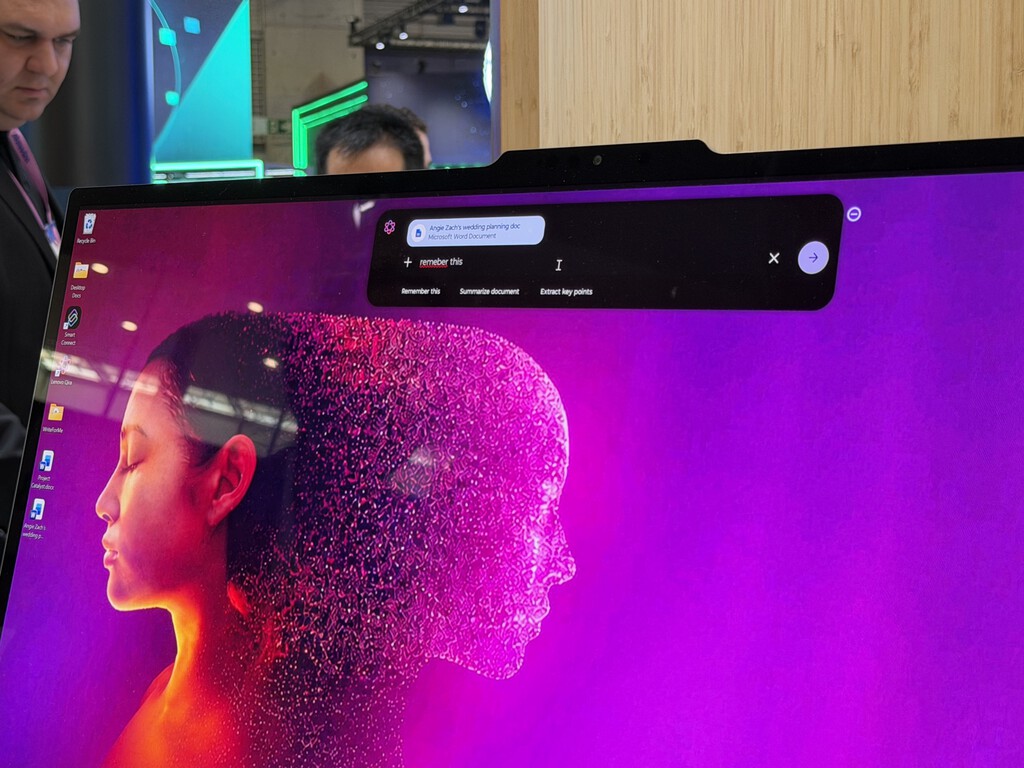
This approach also offers potential benefits in speed and reliability. Local processing can reduce latency and ensure functionality even without an internet connection. However, it requires significant computational power on the device itself, which is why Lenovo is integrating Qira across a wide range of its latest hardware.
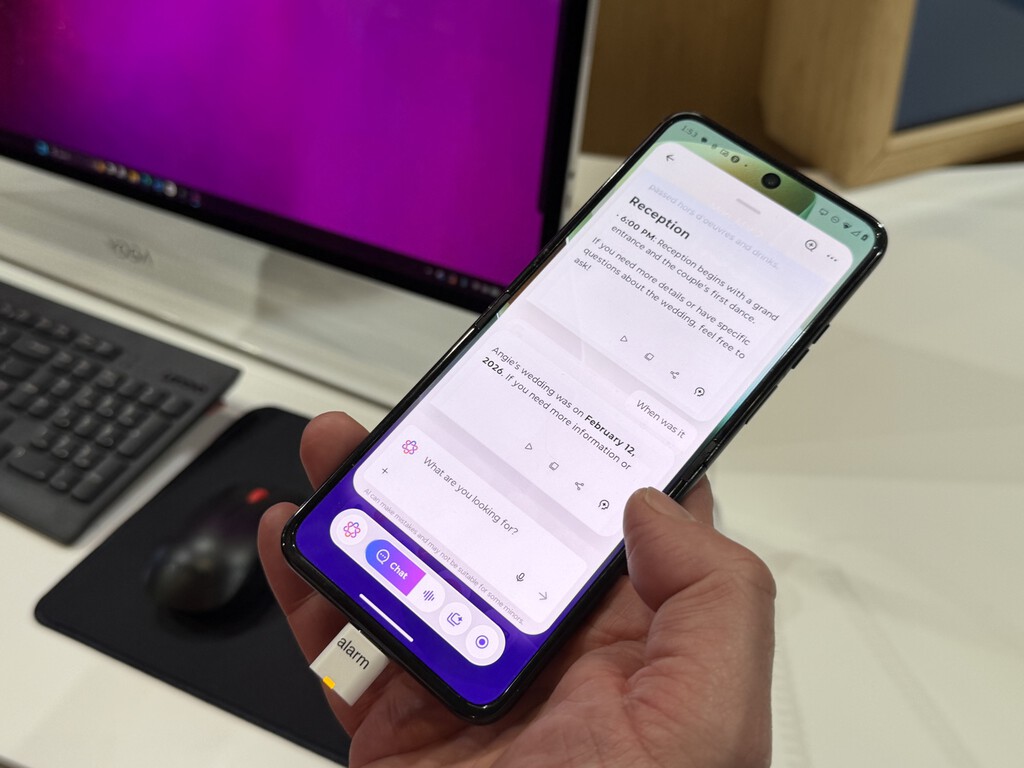
How Lenovo Qira Works Across Devices
Qira is designed as a cross-device intelligence layer. It aims to provide a consistent AI experience whether you're on a ThinkPad laptop, a Yoga convertible, a Legion gaming rig, or eventually a Motorola phone. The system learns your preferences and context locally, adapting to your usage patterns without sending data to the cloud.
Lenovo's AI Ecosystem Group, led by Luca Rossi, head of the Intelligent Devices Group, is responsible for this unification. By bringing together AI teams from phones, PCs, and tablets, Lenovo ensures that Qira behaves cohesively across its ecosystem. This is crucial for delivering a seamless user experience and avoiding the fragmentation that plagued earlier efforts.
Key Takeaways from Lenovo's AI Strategy
- Unified AI development: Lenovo consolidated its AI teams into the AI Ecosystem Group to eliminate silos and create a consistent AI experience.
- Privacy-first approach: Qira processes data locally on devices, reducing reliance on cloud services and enhancing user privacy.
- Broad device rollout: Qira is already available on over 20 Lenovo devices, with Motorola phones slated for 2026.
- Context-aware assistance: The AI adapts to who you are, what you're doing, and where you are, all without sending data off-device.
- Competitive differentiation: By emphasizing on-device AI, Lenovo distinguishes itself from cloud-centric competitors like ChatGPT.
Comparing On-Device and Cloud AI
To understand the significance of Lenovo's Qira, it's helpful to compare on-device AI with cloud-based AI. The table below outlines key differences. The background to this story is set out in Well-Known Individual Loses Injunction Bid Against Guardian and ITN. A related thread runs through Emotional Intelligence Synonym: 25 Better Ways to Say It — Explained. Earlier coverage in Samsung Project Luna: A Glimpse at the Future of AI Devices shows how the argument developed.
| Feature | On-Device AI (e.g., Lenovo Qira) | Cloud AI (e.g., ChatGPT) |
|---|---|---|
| Data processing location | Local device | Remote servers |
| Privacy | High—data stays on device | Depends on provider policies |
| Latency | Low (no network round-trip) | Higher (network dependent) |
| Internet requirement | Not always required | Always required |
| Computational demand | High on device | High on servers |
What This Means for Users and the Industry
For users, Lenovo's Qira promises a more private and responsive AI experience. If you're concerned about data security, on-device processing offers peace of mind. For the industry, Lenovo's move could pressure other manufacturers to prioritize local AI, potentially shifting the balance away from cloud-dependent models. A closer look at the same subject appears in Anthropic Warns Small AI Models Could Self-Replicate on Consumer Devices. Anyone following the wider picture can start with OpenAI's Screenless AI Device: A New Era of Home Assistance. The same theme surfaces in AI Smart Lamp-Posts: Privacy Risks and Surveillance Concerns, which takes a different angle.
However, challenges remain. On-device AI requires powerful hardware, which can increase device costs. Additionally, the capabilities of local models may be more limited than their cloud counterparts, which have access to vast computational resources. Lenovo's success will depend on how well Qira balances performance with privacy. Context on how this played out before sits in Personal AI Agents: The Privacy Tradeoff Big Tech Won't Admit. A companion piece, Lenovo at IFA: Hybrid AI Everywhere Makes Hardware Secondary, approaches the same subject from another angle.
FAQ
What is Lenovo Qira?
Lenovo Qira is an on-device AI layer that integrates across Lenovo's product lineup, including ThinkPad, Yoga, Legion, and IdeaPad devices. It provides personalized assistance without sending data to the cloud.
How does Qira differ from ChatGPT?
Qira processes data locally on your device, whereas ChatGPT relies on cloud servers. This means Qira offers greater privacy and can work offline, but may have less computational power than cloud-based models.
When will Qira be available on Motorola phones?
Lenovo plans to bring Qira to Motorola smartphones in 2026, expanding its on-device AI ecosystem beyond PCs and tablets.
Is on-device AI more secure than cloud AI?
On-device AI can be more secure because sensitive data never leaves your device. However, security also depends on the device's own protections and how the AI is implemented.
Browse the Shop
 Acacia frida deluxe solid wood bed frame |
Bedroom bench |
Bed chest drawers |
Lingerie dresser |
Frame base |
Mirror with jewelry storage |
30 Bathroom Vanity |
Memory foam queen mattress |
Mattresses for back pain |
Nightstand set of 2 |
Grand Goldman Shop |
Civil Lawyer
Deutschland Trikot WM 2026







