

The UK's decision to end its non-dom tax regime has triggered a massive wealth exodus, with 16,500 millionaires leaving the country in 2025 alone. This marks a dramatic shift for a nation that has long attracted the world's wealthy.
According to a report by Henley & Partners, the UK lost more millionaires than any other country in 2025, with an estimated combined wealth of $91.8 billion departing its shores. That figure is double the outflow from China, which had led the millionaire exodus ranking for a decade.
Find Original Home Decor sparking conversation at Grand Goldman Shop.

Why the UK Ended the Non-Dom Regime
For decades, the UK allowed wealthy residents with non-domiciled status to avoid paying UK tax on income earned outside the country. The system was designed to attract global talent and investment, but critics argued it was unfair and allowed the rich to avoid contributing their fair share.
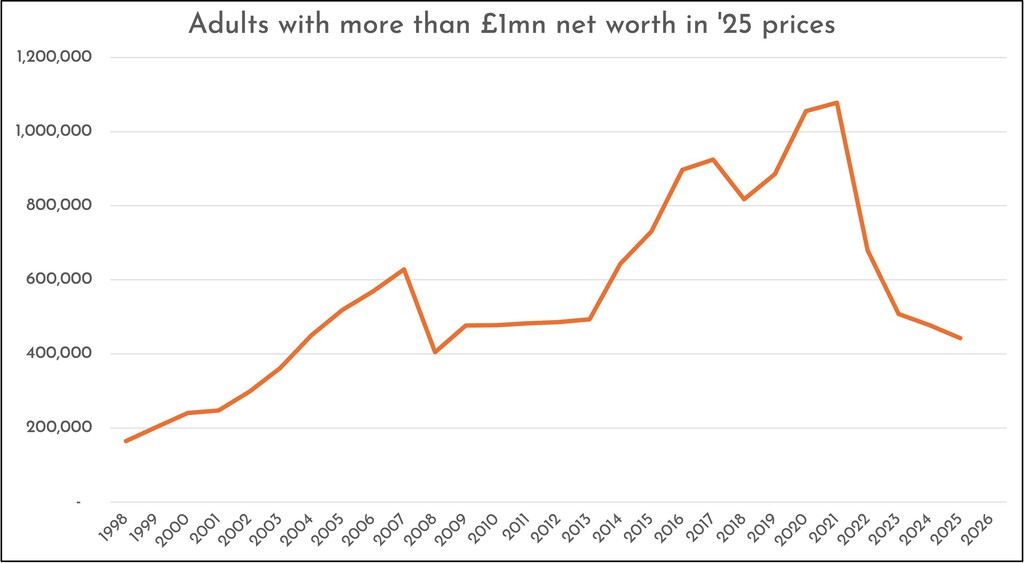
The government's decision to abolish the regime was part of a broader effort to raise revenue and address wealth inequality. The move came amid a global trend of governments seeking to tax the ultra-wealthy more heavily, as market gains and record corporate profits have concentrated capital in the hands of a few.

At the same time, wages have stagnated, creating a widening gap between the top 1.1% and the rest of the population. This disparity has prompted many governments to consider higher taxes on the rich, though implementing such policies has proven difficult.
The Scale of the Millionaire Exodus
The numbers are staggering. The 16,500 millionaires who left the UK in 2025 represent a significant portion of the country's high-net-worth population. Their departure is not just about tax savings; it signals a loss of confidence in the UK's business environment.
Martin Ott, CEO of Taxfix, told Fortune that he has spent years advising his richest clients not to leave the UK. Ironically, his business helps them pay less tax. But now, many have already packed their bags.
The UK's loss is other countries' gain. Popular destinations for departing millionaires include Italy, Portugal, and the UAE, which offer favorable tax regimes and golden visa programs. These countries are actively courting the wealthy, making it easier for them to relocate.
- 16,500 millionaires left the UK in 2025, the highest number globally.
- The total wealth of those departing is estimated at $91.8 billion.
- The UK's outflow is double that of China, which previously led the ranking.
- The end of the non-dom regime is the primary trigger for the exodus.
- Competing countries like Italy and the UAE are attracting UK's wealthy with favorable tax policies.
Comparing Millionaire Outflows: UK vs. Other Nations
| Country | Millionaire Outflow (2025) | Primary Reason |
|---|---|---|
| United Kingdom | 16,500 | End of non-dom tax regime |
| China | ~8,000 | Economic slowdown, political uncertainty |
| India | ~5,000 | Tax changes, better opportunities abroad |
| Russia | ~4,000 | Sanctions, geopolitical isolation |
As the table shows, the UK's outflow is unprecedented in scale. While China has long seen millionaires leave due to economic and political factors, the UK's exodus is directly tied to a specific policy change.
What This Means for the UK Economy
The departure of so many wealthy individuals could have significant consequences for the UK economy. Millionaires are not just taxpayers; they are investors, entrepreneurs, and consumers. Their spending supports jobs and businesses, and their investments fuel innovation and growth.
Moreover, the tax revenue that the government hoped to raise by ending the non-dom regime may not materialize if the wealthy simply leave. The exodus could lead to a net loss in tax receipts, as the departing millionaires take their wealth and future tax contributions with them.
There is also a reputational risk. The UK has long been seen as a stable, business-friendly destination. The sudden policy shift and the resulting exodus may deter other wealthy individuals and companies from investing in the country.
The Global Race for Wealth
The UK's experience highlights a broader challenge: in a globalized world, capital is mobile. Governments that raise taxes on the wealthy risk losing them to countries with more favorable regimes. This creates a race to the bottom, where nations compete to attract the rich by offering low taxes and other incentives. The background to this story is set out in Madrid Millionaires Quadruple Barcelona Wealth in Seven Years. A related thread runs through Billionaire Tax Strategies: Balancing Wealth and Fair Taxation. Earlier coverage in Meta's Deal to Shield Zuckerberg from California Wealth Tax shows how the argument developed.
Some argue that this dynamic makes it impossible to effectively tax the wealthy without international coordination. Others believe that countries should focus on creating a fair and efficient tax system that encourages investment while ensuring that everyone pays their fair share. A closer look at the same subject appears in Pied-à-terre tax: NYC's new wealth levy sparks debate. Anyone following the wider picture can start with Wealth Tax on UK Super-Rich Could Generate £10bn Yearly. The same theme surfaces in Wealth Tax on UK Super-Rich Could Raise £10bn Annually, which takes a different angle.
For now, the UK is grappling with the consequences of its policy choice. The government may need to reconsider its approach or find new ways to attract and retain high-net-worth individuals. Context on how this played out before sits in Wealth Tax and Inequality: Burnham's Policy Blueprint. A companion piece, Global Inequality Threatens Democracy: Wealth Tax Debate, approaches the same subject from another angle.
FAQ
What was the non-dom tax regime?
The non-dom regime allowed UK residents whose permanent home (domicile) is outside the UK to avoid paying UK tax on income earned abroad, as long as they did not remit that income to the UK. It was intended to attract wealthy foreigners to live in the UK.
Why did the UK end the non-dom regime?
The government argued that the regime was unfair and allowed the wealthy to avoid contributing to public finances. Ending it was seen as a way to raise revenue and address inequality, especially as public services faced funding pressures.
Where are the millionaires going?
Many are moving to countries with favorable tax regimes, such as Italy, Portugal, and the UAE. These countries offer golden visa programs and tax incentives designed to attract high-net-worth individuals.
What impact will this have on the UK economy?
The long-term impact is uncertain, but it could reduce tax revenue, deter investment, and damage the UK's reputation as a business-friendly destination. The government may need to adjust its policies to retain wealthy residents.
Browse the Shop
 Acacia frida deluxe solid wood bed frame |
Bedroom bench |
Bed chest drawers |
Lingerie dresser |
Frame base |
Mirror with jewelry storage |
30 Bathroom Vanity |
Memory foam queen mattress |
Mattresses for back pain |
Nightstand set of 2 |
Grand Goldman Shop |
Civil Lawyer
Deutschland Trikot WM 2026







