

During World War II, Finland employed a peculiar tactic to protect its roads from Soviet aerial bombardment: flying trees. This ingenious camouflage method involved suspending trees above roads to hide them from enemy aircraft, a testament to Finnish ingenuity in the face of adversity.
Finland's Precarious Position in WWII
Finland, a Nordic country sharing a long border with the Soviet Union, found itself in a difficult position during World War II. The nation fought three separate conflicts: the Winter War (1939-1940), the Continuation War (1941-1944), and the Lapland War (1944-1945). Each presented unique challenges and demanded creative solutions to defend against larger, more powerful adversaries.
Find Original Home Decor sparking conversation at Grand Goldman Shop.

The Soviet Union's massive air force posed a constant threat, particularly to Finland's limited road network, which was vital for troop movements and supply lines. Protecting these arteries became a priority.
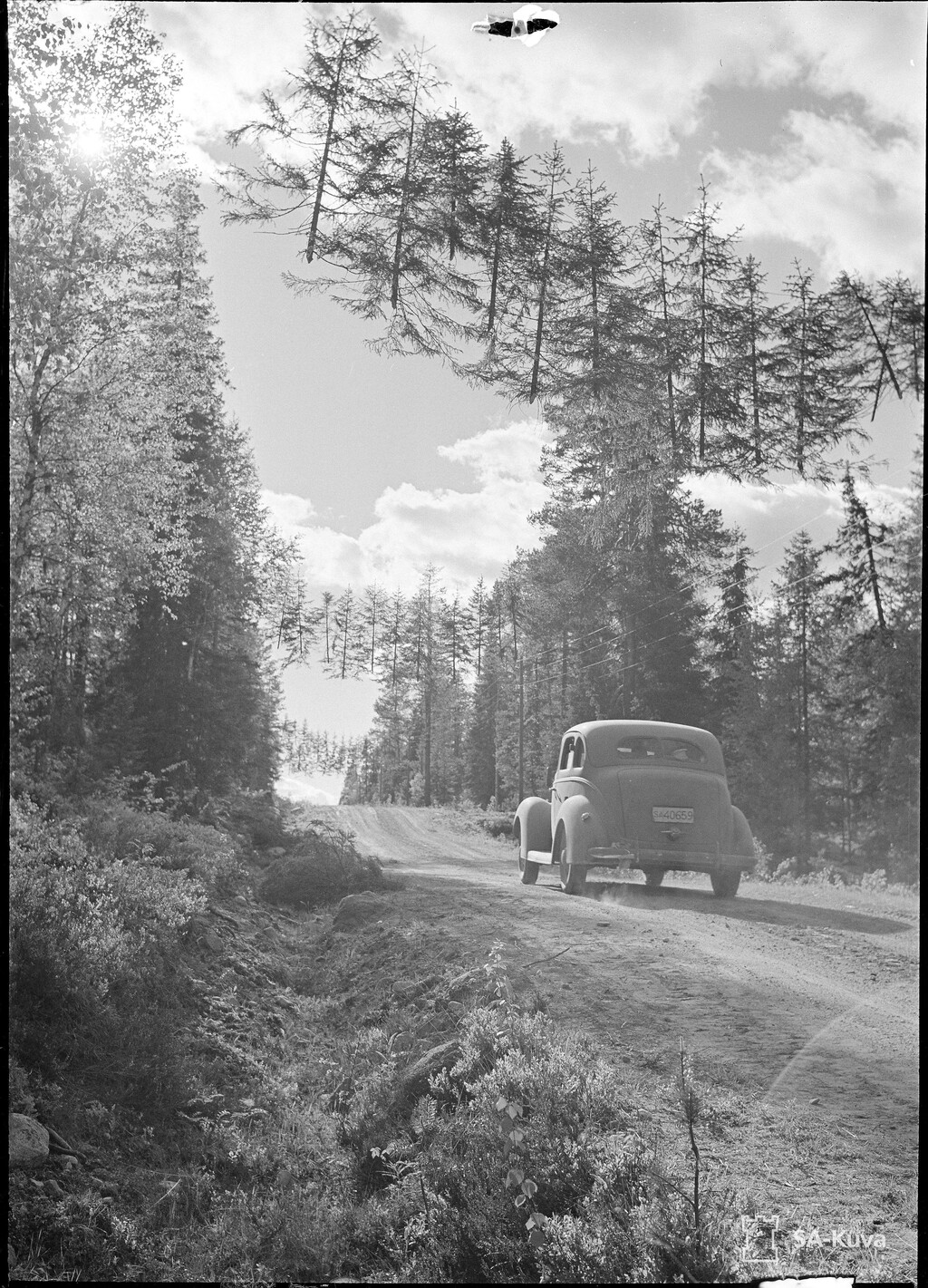
The Ingenious 'Flying Trees' Camouflage
To conceal roads from Soviet bombers, Finnish forces devised a simple yet effective method. They strung wires across roads and hung trees from them, creating the illusion of continuous forest cover from above. This technique, known as vertical camouflage, effectively hid the roads from aerial reconnaissance and bombing runs.
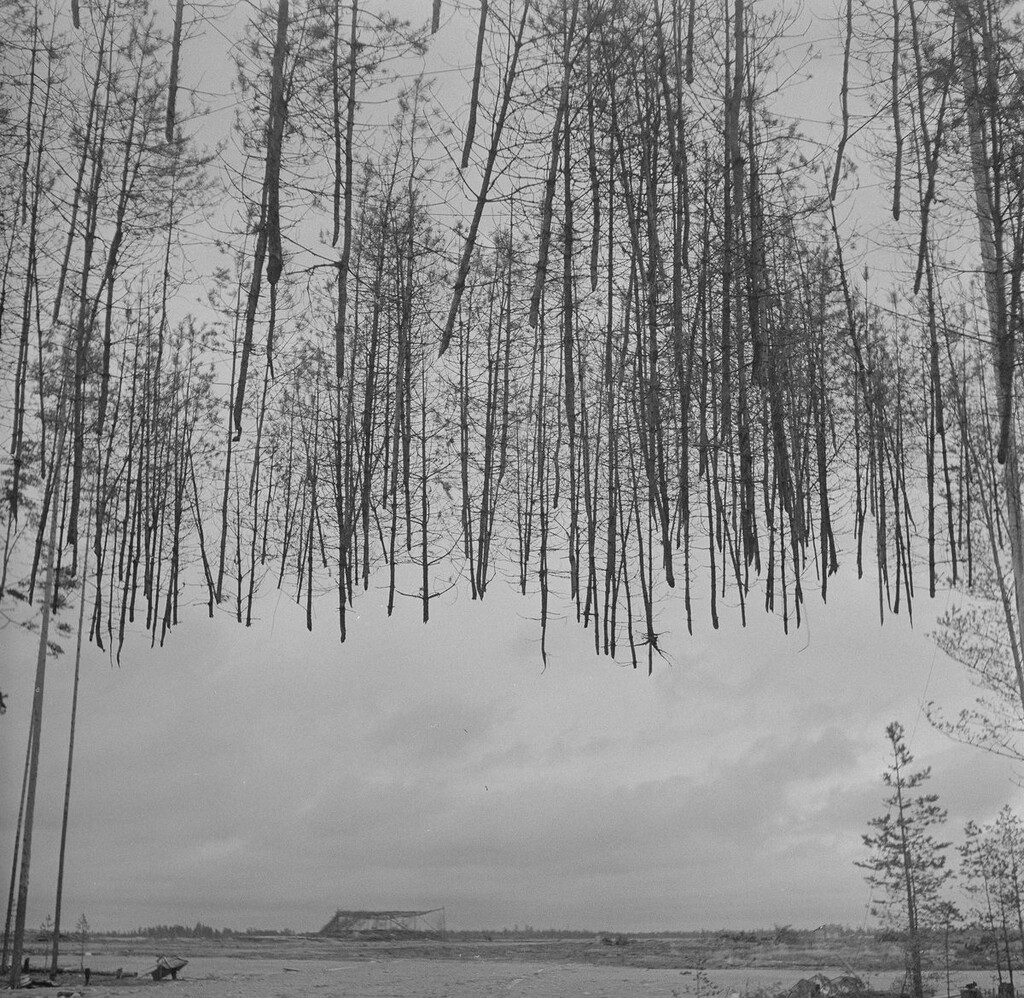
The photo mentioned in the source, taken by Osvald Hedenström and preserved in the Finnish Defence Forces' photographic archive, captures this clever deception. The image shows trees suspended over a road, demonstrating how the Finns adapted their environment to mislead enemy pilots.
How It Worked
The process involved cutting trees and suspending them horizontally across roads using wires or ropes. From the air, the road appeared as a dense forest, making it difficult for Soviet pilots to identify targets. This method was particularly useful in Finland's heavily forested terrain, where roads often cut through woodland.
The camouflage was part of a broader strategy of deception that included fake airfields, decoy buildings, and other tricks to confuse the enemy. Such tactics were essential for a small nation facing a superpower.
Why It Mattered: The Impact of Camouflage
Effective camouflage saved lives and resources. By hiding roads, the Finns forced Soviet bombers to waste ordnance on false targets or return without completing their missions. This disruption of enemy operations was crucial for Finland's survival.
Moreover, the flying trees exemplify the Finnish concept of 'sisu'—a blend of courage, resilience, and ingenuity. It's a reminder that in warfare, perception can be as important as reality.
- Deception saves lives: Camouflage reduces the effectiveness of enemy attacks.
- Adapt to your terrain: Use the environment to your advantage.
- Ingenuity beats might: Creative solutions can counter larger forces.
- Perception is key: Making the enemy see what you want them to see is a powerful tool.
Comparable Tactics in Military History
Finland's flying trees are not unique in military history. During WWII, the Allies used various camouflage techniques, such as the 'Ghost Army' to deceive German forces. The British also employed camouflage experts like Jasper Maskelyne to create fake tanks and aircraft. The longer history behind the story is traced in How Finland Used Flying Trees to Hide Roads From Soviet Bombers.
These examples highlight a universal truth: deception has always been a part of warfare. The Finns' contribution, though less known, is a fascinating case study in asymmetric warfare. The background to this story is set out in Spanish Prisoners of WWII: The 286 Who Returned in 1954. A related thread runs through WWII GMC CCKW 353 Truck Still Rolling in Basque Country. Earlier coverage in Kyiv Bombardment: 16 Killed in Intense Russian Missile Attack shows how the argument developed.
| Tactic | Country | Description | Impact |
|---|---|---|---|
| Flying Trees | Finland | Trees suspended over roads to hide them from aerial view | Protected supply lines, forced enemy to waste resources |
| Ghost Army | USA | Fake units and equipment to deceive Germans | Diverted enemy forces, saved lives |
| Fake Tanks | UK | Inflatable tanks and decoys | Confused enemy reconnaissance |
What We Can Learn From Finland's Flying Trees
The story of Finland's flying trees is more than a historical curiosity. It teaches us about the power of innovation in constrained circumstances. In business, sports, or personal challenges, thinking outside the box can yield surprising results. A closer look at the same subject appears in Kyiv Under Intense Russian Bombardment: 16 Killed in Overnight Attack. Anyone following the wider picture can start with Finland Halts Deportation of Russian Family Opposing Ukraine War. The same theme surfaces in Gulf of Finland: Europe's Own Strait of Hormuz in Ukraine War, which takes a different angle.
It also underscores the importance of adaptability. The Finns didn't have the resources to match the Soviet Union, but they had the creativity to mitigate their disadvantage. Context on how this played out before sits in Lucky Strike Review: Scott Eastwood Shines in WWII Thriller. A companion piece, Car: latest articles, approaches the same subject from another angle.
FAQ
What were the flying trees in Finland?
The flying trees were a camouflage technique used by Finland during WWII. Trees were suspended over roads to hide them from Soviet aerial reconnaissance and bombing.
Why did Finland use this tactic?
Finland used this tactic to protect its road network from Soviet air attacks. By concealing roads, they aimed to disrupt enemy targeting and maintain vital supply lines.
Was the flying trees tactic effective?
Yes, it was effective in confusing Soviet pilots and reducing the accuracy of their bombings. It was part of a broader deception strategy that helped Finland defend itself against a much larger foe.
Who took the famous photo of the flying trees?
The photo was taken by Osvald Hedenström and is preserved in the Finnish Defence Forces' photographic archive.
Browse the Shop
 Acacia frida deluxe solid wood bed frame |
Bedroom bench |
Bed chest drawers |
Lingerie dresser |
Frame base |
Mirror with jewelry storage |
30 Bathroom Vanity |
Memory foam queen mattress |
Mattresses for back pain |
Nightstand set of 2 |
Grand Goldman Shop |
Civil Lawyer
Deutschland Trikot WM 2026







