

Spain has become the first European Union country to regulate remote emission sensors, a technology that can analyze a vehicle's exhaust gases in real time as it drives past. This innovation could revolutionize how low-emission zones (LEZs) are enforced, making them more effective and less intrusive for drivers.
The sensors, known as Remote Sensing Devices (RSD), are installed on the roadside like speed cameras. As a vehicle passes, they measure pollutants such as nitrogen oxides (NOx) and particulate matter without requiring the car to stop. This allows authorities to identify high-emitting vehicles quickly and efficiently.
Find Original Home Decor sparking conversation at Grand Goldman Shop.

How Remote Emission Sensors Work
The RSD units use spectroscopy to analyze the exhaust plume as a vehicle passes through a beam of light. They can detect a range of pollutants and instantly record the vehicle's license plate, linking the emissions data to the registered owner. This real-time monitoring provides a more accurate picture of actual emissions on the road, rather than relying on laboratory tests.
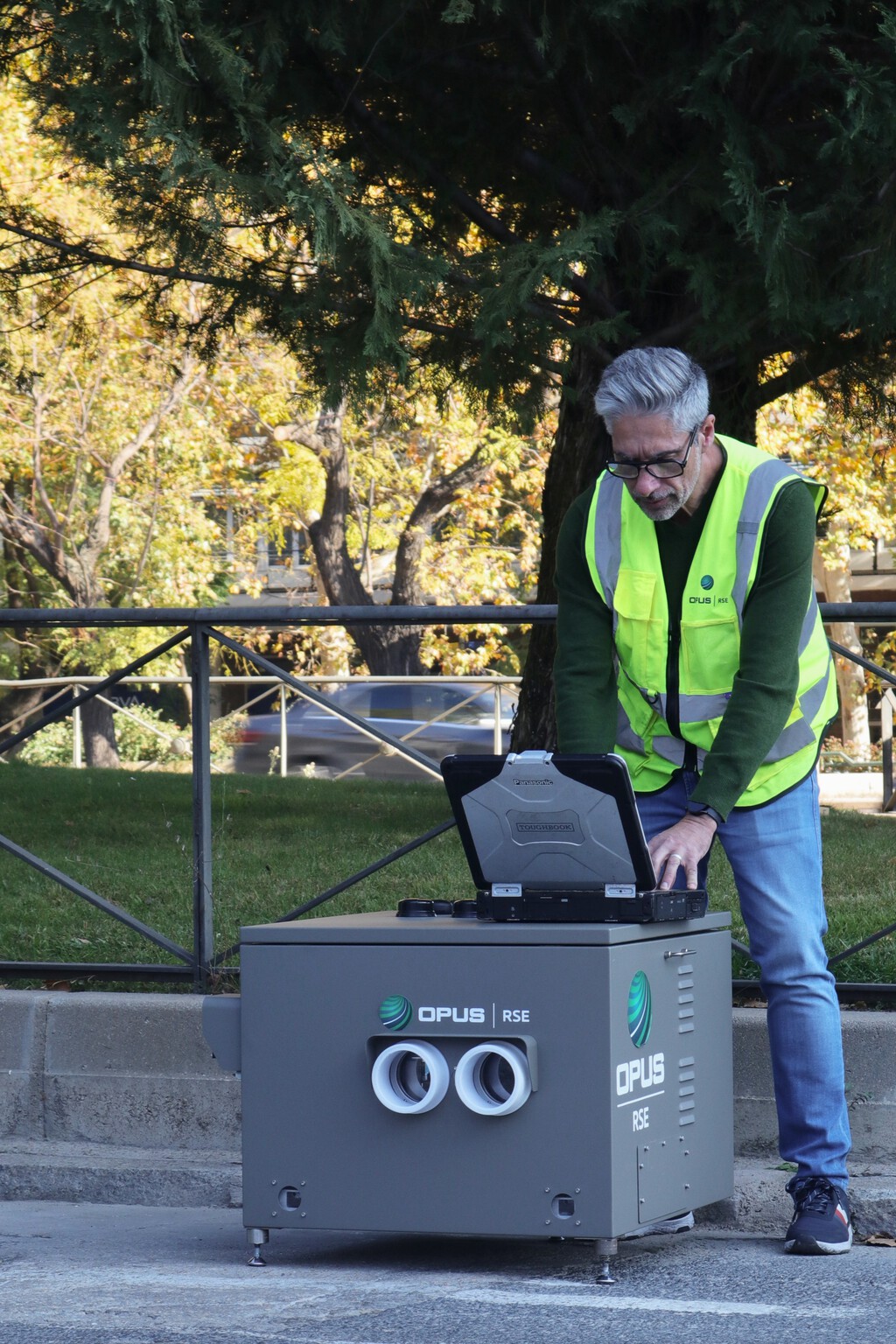
Spain has already tested these sensors in several locations and roads, with Brussels observing closely as it prepares EU-wide regulations. According to experts, this technology could be a game-changer for enforcing LEZs, which are becoming increasingly common in European cities to combat air pollution.
Why This Matters for Low-Emission Zones
Low-emission zones restrict access to certain areas based on a vehicle's emission standards. Traditionally, enforcement relies on stickers or cameras that check registration, but these methods don't measure actual emissions. Remote sensors provide real-world data, ensuring that even vehicles meeting Euro standards are not emitting excessively due to tampering or poor maintenance.
This technology could also help cities design more effective policies. By identifying the highest polluters, authorities can target incentives or restrictions more precisely, leading to cleaner air and healthier communities.
Key Takeaways
- Spain is the first EU country to regulate remote emission sensors, which measure real-time emissions as vehicles drive by.
- The technology uses roadside units similar to speed cameras and can identify high-polluting vehicles without stopping them.
- Remote sensors provide accurate, real-world emissions data, complementing or replacing traditional enforcement methods.
- The EU is watching closely and may adopt similar regulations across member states.
- This could lead to more effective low-emission zones and better air quality in cities.
Comparison of Enforcement Methods
| Method | How It Works | Pros | Cons |
|---|---|---|---|
| Sticker-based LEZ | Vehicle displays a sticker based on emission standard | Simple, low cost | Does not measure actual emissions; easily fraudulent |
| Camera enforcement | Cameras read license plates and check against database | Automated, wide coverage | Relies on registration data, not real emissions |
| Remote emission sensors | Roadside sensors measure exhaust gases as vehicle passes | Real-time data, accurate, non-intrusive | Higher initial cost, requires calibration |
What Happens Next?
Spain's pioneering regulation is a signal to other EU members. The European Commission is reportedly working on a framework to allow remote sensing across the union. If adopted, this could standardize emissions monitoring and help cities meet air quality targets more effectively. The background to this story is set out in Santa Cruz de Tenerife's Strict Low-Emission Zone Explained. A related thread runs through London's Low Emission Zone Success: Why Cities Hesitate on Clean Air. Earlier coverage in Edox Hydro-Sub Review, we analyze a new sports car without concessions shows how the argument developed.
For drivers, this means that maintaining your vehicle's emission systems will become more important than ever. High-emitting vehicles, even if they meet older standards, could face penalties in LEZs. The technology also opens the door to incentives for low-emission vehicles, as cities can reward clean drivers. A closer look at the same subject appears in Regulate Social Media for Teens Like Television Now. Anyone following the wider picture can start with How to Repair Your Car Exhaust: A DIY Guide. The same theme surfaces in Car: latest articles, which takes a different angle.
As the transition to electric and hybrid vehicles continues, remote sensors will play a crucial role in ensuring that the benefits are realized in terms of air quality. Spain's move is a significant step toward smarter, data-driven environmental enforcement. Context on how this played out before sits in Climate Change Rhyme: Rising Temperatures & Emission Urgency. A companion piece, Climate Change Rhyme: Rising Temperatures and Emission Cuts, approaches the same subject from another angle.
FAQ
What are remote emission sensors?
What are remote emission sensors?
Remote emission sensors are devices installed on roadsides that measure a vehicle's exhaust emissions in real time as it drives past. They use spectroscopy to analyze pollutants like NOx and particulate matter without requiring the vehicle to stop.
How do remote emission sensors help low-emission zones?
They provide accurate, real-world emissions data, allowing authorities to identify high-polluting vehicles that may not be caught by standard checks. This makes LEZ enforcement more effective and can lead to cleaner air.
Is Spain the first country to use this technology?
Spain is the first EU country to regulate remote emission sensors, though trials have taken place elsewhere. The EU is now working on a framework to implement this technology across member states.
What does this mean for drivers?
Drivers will need to ensure their vehicles are well-maintained to avoid exceeding emission limits. High-emitting vehicles could face penalties in LEZs, while low-emission vehicles may benefit from incentives.
Browse the Shop
 Acacia frida deluxe solid wood bed frame |
Bedroom bench |
Bed chest drawers |
Lingerie dresser |
Frame base |
Mirror with jewelry storage |
30 Bathroom Vanity |
Memory foam queen mattress |
Mattresses for back pain |
Nightstand set of 2 |
Grand Goldman Shop |
Civil Lawyer
Deutschland Trikot WM 2026







