

The 10% rule explains why only the rich can afford to buy a yacht: annual maintenance costs roughly 10% of the purchase price. This unwritten rule, circulating in marinas for decades, means a $500 million superyacht like Jeff Bezos's Koru requires about $50 million per year just to keep afloat.
While the initial outlay for a yacht is staggering, those in the industry know it's only the first expense. The real luxury—and the real cost—is what comes after: ongoing maintenance that repeats every year.
Find Original Home Decor sparking conversation at Grand Goldman Shop.

What Is the 10% Rule in Yacht Ownership?
The 10% rule is a guideline suggesting that a yacht owner should reserve approximately 10% of the purchase price each year to cover all operating and maintenance expenses. This rule of thumb has been passed down in marinas and ports for decades to prepare future buyers for the true cost of ownership.
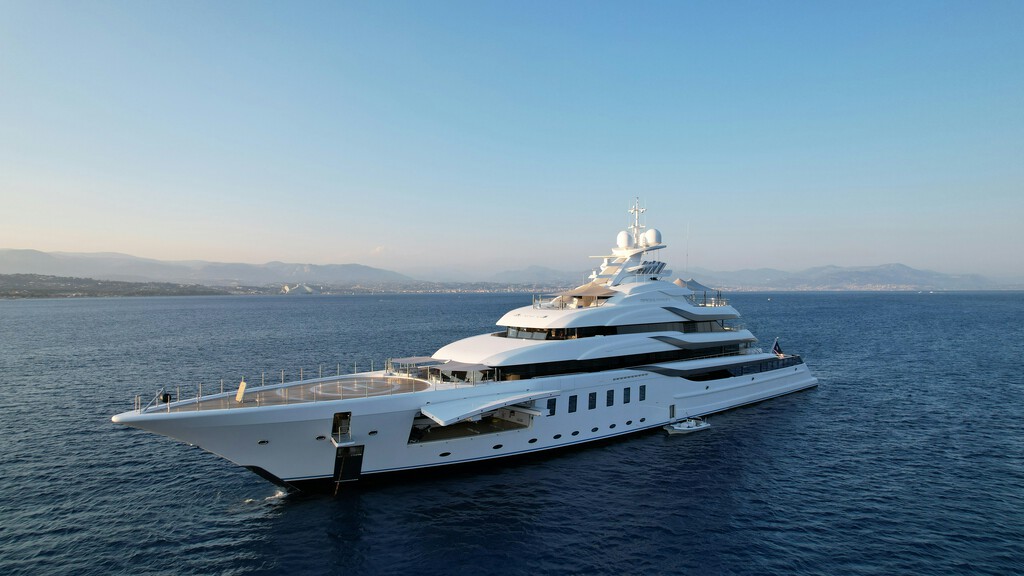
For a $500 million yacht, that means $50 million annually. Even for a more modest $1 million vessel, $100,000 per year is needed just to keep it in shape. This recurring cost is what separates the wealthy from the merely well-off.
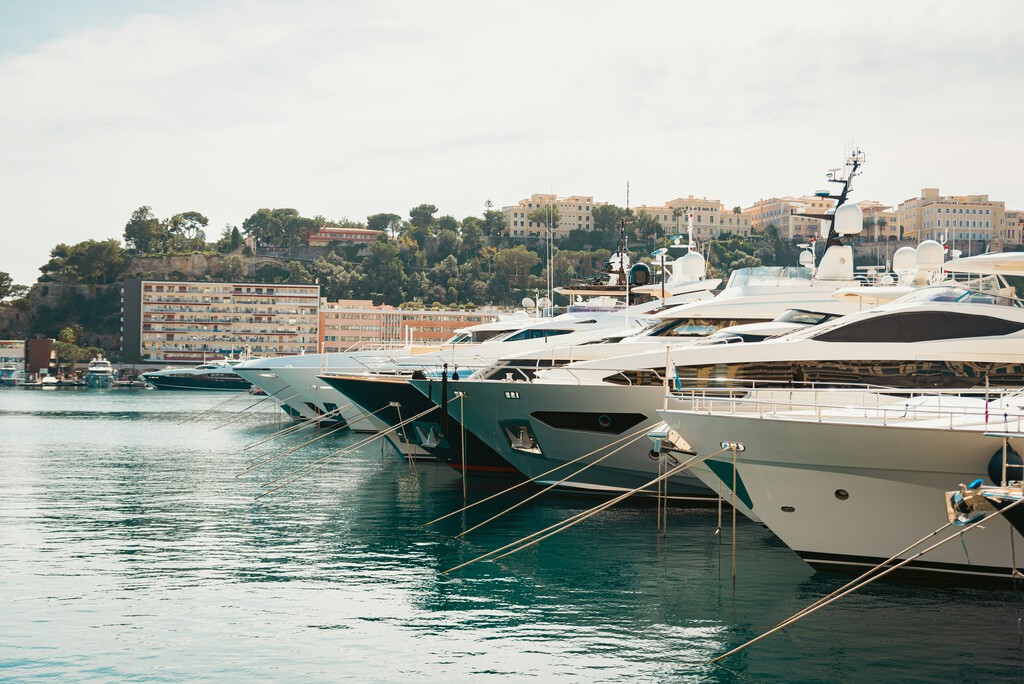
Why Annual Costs Are So High
Yachts are complex, floating assets that require constant attention. The annual expenses go far beyond a simple oil change. They include crew salaries, insurance, dockage fees, fuel, regular maintenance, and unexpected repairs.
Unlike a car, a yacht is exposed to harsh marine environments. Saltwater, sun, and storms take a toll on every component, from the hull to the electronics. Keeping everything in top condition demands specialized labor and high-quality parts.
Breaking Down the Costs
Here are the main categories that contribute to the 10% rule:
- Crew salaries: A professional crew is essential for safe operation and maintenance, costing hundreds of thousands annually.
- Insurance: Premiums for yachts are significant, especially for high-value vessels.
- Dockage: Marina fees vary by location but can be substantial, particularly in prime spots.
- Fuel: For motor yachts, fuel can be a major expense, especially during frequent use.
- Maintenance and repairs: Regular upkeep and unexpected fixes are inevitable.
The Real Cost of Ownership: A Comparison
The table below illustrates how the 10% rule applies to different yacht price points, showing the annual maintenance cost versus the purchase price.
| Yacht Price | Annual Maintenance (10%) | Example |
|---|---|---|
| $1 million | $100,000 | Mid-sized luxury cruiser |
| $10 million | $1 million | Entry-level superyacht |
| $100 million | $10 million | Large superyacht |
| $500 million | $50 million | Ultra-luxury superyacht (e.g., Koru) |
As the table shows, the annual cost scales linearly with the purchase price. For the ultra-wealthy, these figures are manageable, but for the average person, they are astronomical.
Why the Rich Can Afford It
The wealthy can afford yachts not just because they can pay the purchase price, but because they can comfortably absorb the ongoing costs. Their income and assets generate enough cash flow to cover the 10% rule without impacting their lifestyle.
Moreover, yachts often serve as business tools for entertaining clients or as floating offices, providing tax benefits and networking opportunities that can offset some costs. But for most, a yacht is a pure luxury—one that requires a level of wealth that few possess.
Lessons from Antigua
Residents of the Caribbean island of Antigua learned this rule the hard way. When someone buys a boat, they typically consider whether they can afford the purchase price. That's the easy part: you look at the price and compare it to your bank account. If it fits, great. The longer history behind the story is traced in American Builds His Own 91-Foot Dream Yacht at Home.
However, there's a cost that isn't always considered: the owner should reserve about 10% of the purchase price for annual operating and maintenance expenses. Ignoring this can lead to financial strain or even forced sale. The background to this story is set out in Parents Shame Daughter For Not Making Enough Money And Not Being Able To Afford Lifestyle Like Their. A related thread runs through UK Emergency Stockpiles: A Luxury Not Everyone Can Afford. Earlier coverage in Guy Gets Schooled About His GF Who Can’t Afford His Expensive Lifestyle And Skipped Meals On Vacation shows how the argument developed.
What to Watch Next
As the superyacht market continues to grow, the 10% rule remains a crucial consideration for potential buyers. With rising environmental regulations and technological advancements, maintenance costs may evolve, but the fundamental principle is likely to persist. A closer look at the same subject appears in Retirement Savings Crisis: Why Many Workers Can't Afford to Retir. Anyone following the wider picture can start with Car: latest articles. The same theme surfaces in Inside the World's Most Expensive Superyachts and Their Wild Features, which takes a different angle.
For those dreaming of yacht ownership, the key takeaway is to plan beyond the purchase price. The true measure of affordability is not just the ability to buy, but the ability to maintain. And that's why, for now, yachts remain the ultimate symbol of wealth. Context on how this played out before sits in Monaco Yacht Show 2025: Superyacht Wealth and Emissions Exposed. A companion piece, The 10% Rule: Why Only the Rich Can Afford a Yacht, approaches the same subject from another angle.
FAQ
What is the 10% rule for yachts?
The 10% rule is a guideline that suggests yacht owners should budget approximately 10% of the yacht's purchase price each year for maintenance and operating costs. This includes crew, insurance, dockage, fuel, and repairs.
Why is yacht maintenance so expensive?
Yachts are complex assets exposed to harsh marine conditions, requiring specialized labor, high-quality parts, and constant attention. Costs include crew salaries, insurance, marina fees, fuel, and regular upkeep.
Can the average person afford a yacht?
Generally, no. Even if someone can afford the purchase price, the ongoing annual costs under the 10% rule make ownership prohibitive for most. Yachts are typically reserved for the wealthy who can comfortably cover these recurring expenses.
How can yacht owners reduce maintenance costs?
Owners can reduce costs through regular preventive maintenance, choosing efficient equipment, and possibly chartering the yacht to offset expenses. However, the 10% rule remains a reliable benchmark for budgeting.
Browse the Shop
 Acacia frida deluxe solid wood bed frame |
Bedroom bench |
Bed chest drawers |
Lingerie dresser |
Frame base |
Mirror with jewelry storage |
30 Bathroom Vanity |
Memory foam queen mattress |
Mattresses for back pain |
Nightstand set of 2 |
Grand Goldman Shop |
Civil Lawyer
Deutschland Trikot WM 2026







