

A YouTuber recently discovered two abandoned Ferrari F40s on Google Maps in Spain, but the reality behind the viral images turned out to be far more complicated than a lucky find. The story, which has captivated car enthusiasts, highlights the gap between digital discovery and on-the-ground truth.
The Google Maps Discovery That Sparked a Road Trip
While exploring Google Maps, the Spanish car YouTuber known as Georgesmithgood stumbled upon two Ferrari F40s that appeared to be abandoned in different locations across Spain. Finding one abandoned F40 would be extraordinary—Ferrari built only about 1,300 units between 1987 and 1992, and authentic examples can be worth millions of euros today. Finding two seemed almost too good to be true.
Find Original Home Decor sparking conversation at Grand Goldman Shop.

Instead of dismissing the images as a glitch, the YouTuber decided to verify the discovery in person. He noted that the story "smelled fishy" and set out to investigate. His journey took him to a small town near the Portuguese border, where the first car was supposedly located.
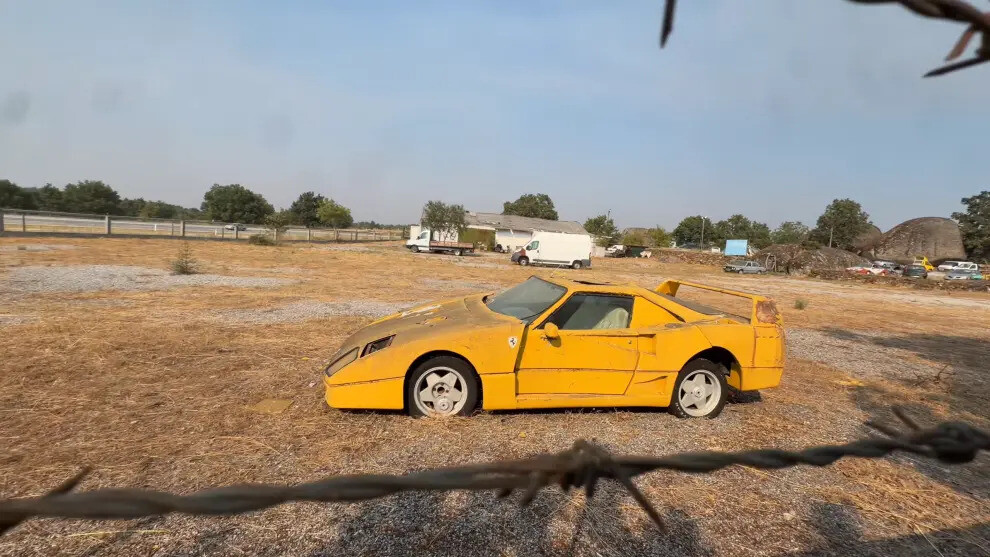
The Reality Check: What He Found
When he arrived at the first location, the YouTuber confirmed that the cars did exist and were still there. However, the truth was not as simple as two forgotten supercars waiting to be rescued. The cars were not genuine Ferrari F40s but replicas or kit cars designed to look like the iconic Italian supercar.
This revelation explained why two "Ferraris" could be left abandoned in Spain without being snapped up by collectors. Authentic F40s are highly prized and meticulously maintained, making their abandonment extremely unlikely. The replicas, while convincing from a distance, lack the provenance and value of the real thing.
Why the Story Matters
This incident underscores the importance of skepticism when interpreting Google Maps imagery. While the platform is a powerful tool for exploration, it can also mislead. The YouTuber's decision to investigate firsthand demonstrates the value of on-the-ground verification, especially in the world of classic cars.
For car enthusiasts, the story serves as a reminder that not everything is as it appears. The allure of a rare find can overshadow rational judgment, but thorough research and due diligence are essential before making assumptions or investments.
Key Takeaways from the Abandoned Ferrari F40 Saga
- Google Maps can reveal surprising discoveries, but images may not tell the full story.
- Authentic Ferrari F40s are extremely rare and valuable, making abandonment highly unlikely.
- Replicas and kit cars can easily fool casual observers, especially in low-resolution satellite images.
- Firsthand verification is crucial when investigating potential classic car finds.
- YouTubers and influencers play a growing role in documenting and debunking viral car stories.
How to Spot a Fake Ferrari F40
Distinguishing a genuine Ferrari F40 from a replica requires expertise and attention to detail. While satellite images are insufficient, in-person inspection can reveal telltale signs. Here are some key differences to look for:
| Feature | Authentic F40 | Replica/Kit Car |
|---|---|---|
| Chassis and VIN | Original Ferrari chassis with documented VIN | Often based on a different donor car; VIN may be altered or missing |
| Engine | Twin-turbo V8, 2.9L, 471 hp | Various engines, often V6 or V8 from other manufacturers |
| Bodywork | Kevlar and carbon fiber composite, precise panel gaps | Fiberglass or cheaper composites, inconsistent fit and finish |
| Interior | Minimalist racing-inspired, original gauges and seats | Often uses donor car interior components |
| Documentation | Full history, Ferrari Classiche certification | Limited or no provenance; may lack proper paperwork |
Prospective buyers should always consult marque experts and verify documentation before purchasing any classic Ferrari. The cost of authentication is negligible compared to the potential loss from a counterfeit.
The Role of Social Media in Car Culture
The YouTuber's adventure highlights the growing influence of social media in the automotive world. Platforms like YouTube and Instagram have democratized car spotting, allowing enthusiasts to share discoveries and investigations with a global audience. This transparency can help expose scams and educate the community. Context on how this played out before sits in YouTuber Finds Two Abandoned Ferrari F40s on Google Maps: The Real Story.
However, it also creates pressure to chase sensational stories. Viewers should approach viral car content with a critical eye, recognizing that entertainment often trumps accuracy. The best creators, like Georgesmithgood, prioritize honesty and thoroughness over clickbait. The background to this story is set out in Car: latest articles. A related thread runs through Ferrari's Millennial and Gen Z Buyers Now 40% of New Customers.
What to Watch Next
As Google Maps continues to update its imagery, more abandoned car discoveries are likely to surface. Some may be genuine, while others will be wild goose chases. The key is to remain skeptical and enjoy the hunt without jumping to conclusions. Earlier coverage in Ferrari 599 GTB Transformed Into Unique Daytona Shooting Brake Tribute shows how the argument developed. A closer look at the same subject appears in Ferrari CZ26: The One-Off Hybrid Supercar Built for a Single Client.
For those inspired to embark on their own searches, remember that responsible exploration involves respecting private property and local laws. Always seek permission before entering land, and never trespass. The thrill of the chase should not come at the expense of legality or safety. Anyone following the wider picture can start with Gemini in Your Car: AI Access to Gmail, Calendar, and Maps. The same theme surfaces in Google Maps Renames Lake Ontario to Lake America for US Users, which takes a different angle.
FAQ
Did the YouTuber actually find two abandoned Ferrari F40s?
He found two cars that looked like Ferrari F40s on Google Maps, but upon visiting, they turned out to be replicas or kit cars, not authentic Ferraris.
Why would someone abandon a replica Ferrari F40?
Replicas are often built as passion projects or low-budget film props. When they fall into disrepair or the owner loses interest, they may be abandoned because their value is far lower than an authentic car.
How can I tell if a Ferrari F40 is real?
Check the VIN, engine, and documentation. Authentic F40s have a Ferrari chassis number, a twin-turbo V8, and extensive provenance. Consult a marque expert for verification.
Are there other abandoned supercars visible on Google Maps?
Yes, enthusiasts have spotted various abandoned cars on Google Maps, but most turn out to be replicas, kit cars, or ordinary vehicles. Always verify in person before getting excited.
Browse the Shop
 Acacia frida deluxe solid wood bed frame |
Bedroom bench |
Bed chest drawers |
Lingerie dresser |
Frame base |
Mirror with jewelry storage |
30 Bathroom Vanity |
Memory foam queen mattress |
Mattresses for back pain |
Nightstand set of 2 |
Grand Goldman Shop |
Civil Lawyer
Deutschland Trikot WM 2026







