

Mark Zuckerberg's superyacht fuel costs have skyrocketed due to the Iran conflict, adding a staggering $278,880 to each refueling. The Facebook founder's 118-meter vessel, Launchpad, now faces the same fuel price surge that has hit everyday drivers—just on a much grander scale.
Since the start of the Iran war, filling up your car has become a familiar daily drama. A few extra euros, a sigh of resignation, and you move on. But there's another scale of refueling that makes your complaints at the pump about an extra $10 seem almost like a joke.
Find Original Home Decor sparking conversation at Grand Goldman Shop.

The Rising Cost of Fuel for the Ultra-Rich
Mark Zuckerberg, founder of Facebook and the fifth-richest person in the world, owns Launchpad, a 118-meter superyacht valued at around $300 million. Since US and Israeli bombs began falling on Iranian soil, filling its fuel tanks implies an extra cost of $278,880 with each refueling.
What's most curious is that the solution the magnate has found is very similar to what any ordinary citizen might adopt in the face of this price escalation: looking for a low-cost gas station. Maintaining a luxury superyacht is not cheap, which is why only millionaires can afford it.
Launchpad's Fuel Capacity and Consumption
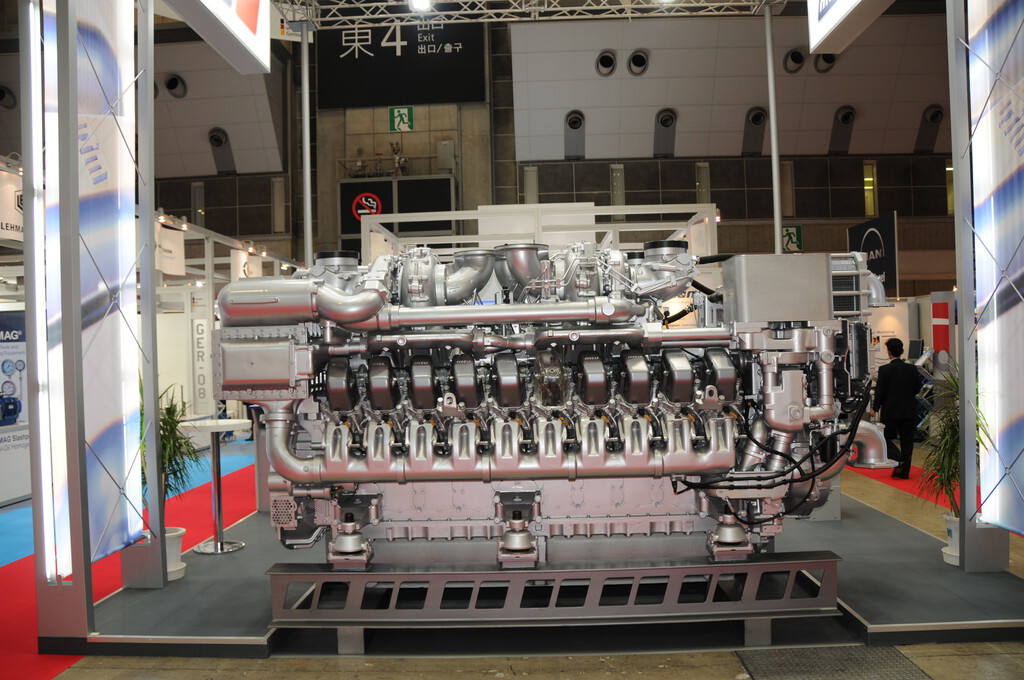
Zuckerberg's Launchpad has a fuel tank of approximately 420,000 liters. To put it in context, that's equivalent to the capacity of about 7,000 medium-sized cars at once. The yacht is equipped with four MTU 20V 4000 M93L engines that, cruising at 16 knots, consume about 982 liters per hour each.
That leaves us with a total consumption of nearly 4,000 liters per hour while cruising. Such figures explain why any fluctuation in fuel prices has a massive impact on the operating costs of these vessels.
Why Fuel Prices Are Soaring
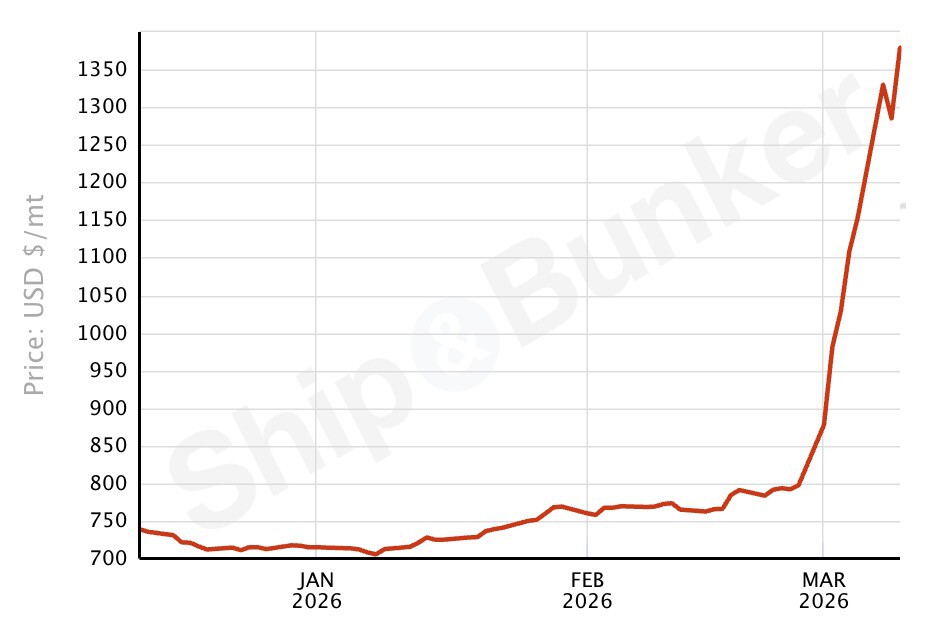
The conflict with Iran has disrupted global oil markets, leading to sharp increases in fuel prices worldwide. For the average consumer, this means higher costs at the pump and increased expenses for transportation and goods. For the ultra-wealthy, it means their toys become even more expensive to operate.
Geopolitical tensions in the Middle East have historically had a direct impact on oil prices, and this situation is no exception. The uncertainty surrounding the conflict has led to volatility in the markets, affecting everything from gasoline to jet fuel and marine diesel.
How the Super-Rich Cope with High Fuel Costs
While most people have no choice but to pay the higher prices at their local gas station, the wealthy have more options. Zuckerberg's reported search for a low-cost gas station for his yacht highlights a pragmatic approach to managing soaring expenses.
However, it also underscores the vast disparity in how fuel costs affect different segments of society. For most, an extra $10 or $20 per fill-up is a burden; for billionaires, even a $278,880 increase is a minor inconvenience relative to their net worth.
The Environmental Impact of Superyachts
Superyachts like Launchpad are often criticized for their environmental footprint. With fuel consumption measured in thousands of liters per hour, these vessels contribute significantly to carbon emissions. As the world grapples with climate change, the excessive fuel use of the ultra-rich is increasingly under scrutiny.
While the rich might seek cheaper fuel, the environmental cost remains high. This raises questions about sustainability and the responsibility of the wealthy to mitigate their impact on the planet. The background to this story is set out in Zuckerberg Superyacht Refuses Rescue: Alaska Stranded Boat Drama. A related thread runs through Zuckerberg Superyacht Refuses Rescue: Alaska Boat Stranded. Earlier coverage in Zuckerberg's Superyacht and the Stranded Boat: What Really Happened shows how the argument developed.
What This Means for the Average Consumer
For the average driver, the story of Zuckerberg's yacht fuel costs might seem like a distant problem. However, it serves as a reminder of the interconnectedness of global events and local economies. The same conflict driving up the cost of filling a superyacht is also driving up the cost of filling your car. A closer look at the same subject appears in Spanish Housing Costs Soar 88% Since 1980, Straining Buyers. Anyone following the wider picture can start with French Drivers Cross Border for Cheaper Fuel as Prices Soar. The same theme surfaces in UK Inflation Hits 3.5% as War Drives Fuel Prices Higher, which takes a different angle.
Understanding these connections can help consumers make informed decisions about their fuel consumption and budget. It also highlights the importance of energy independence and the development of alternative fuels. Context on how this played out before sits in Mark Zuckerberg Yacht Crew Missed Alaska Rescue Call, Meta Says. A companion piece, Emir of Qatar's $500M Superyacht Returns After $35M Refit, approaches the same subject from another angle.
FAQ
How much does it cost to refuel Mark Zuckerberg's yacht?
The exact cost depends on fuel prices at the time, but the recent surge due to the Iran conflict has added approximately $278,880 per refueling. With a capacity of 420,000 liters, the total cost can easily exceed half a million dollars.
Why is fuel so expensive right now?
Fuel prices have risen sharply due to the geopolitical tensions and conflict with Iran, which has disrupted oil supplies and created market uncertainty. This affects global fuel prices, including marine diesel.
How does Zuckerberg's yacht fuel consumption compare to a car?
Launchpad consumes about 3,928 liters per hour while cruising, which is roughly equivalent to the fuel used by a car over several months. Its tank capacity is equal to about 7,000 medium-sized cars.
What can the average person learn from this?
The story highlights how global events impact fuel prices at all levels. It also underscores the importance of fuel efficiency and budgeting, even as the scale differs vastly between a car and a superyacht.
Browse the Shop
 Acacia frida deluxe solid wood bed frame |
Bedroom bench |
Bed chest drawers |
Lingerie dresser |
Frame base |
Mirror with jewelry storage |
30 Bathroom Vanity |
Memory foam queen mattress |
Mattresses for back pain |
Nightstand set of 2 |
Grand Goldman Shop |
Civil Lawyer
Deutschland Trikot WM 2026







