

The carpet-to-cement fuel experiment of 2007 was a bold attempt to solve two problems at once: mountains of carpet waste and the energy-intensive nature of cement production. In the early 2000s, the United States generated between 1.8 and 2.3 million tons of carpet waste annually, most of which ended up in landfills. Researchers at the Georgia Institute of Technology wondered if this waste could be burned in cement kilns, and their tests proved it was technically feasible. But what followed was a harsh lesson in the gap between a good idea and a profitable business.
Why Carpet Waste Was a Mounting Problem
Carpets are designed to last for years, but that durability makes them incredibly difficult to recycle. They are a complex mix of synthetic fibers like nylon and polypropylene, adhesives, backing fabrics, and mineral fillers such as calcium carbonate. Separating these components is costly and energy-intensive, so most post-consumer carpet simply went to landfill.
Find Original Home Decor sparking conversation at Grand Goldman Shop.

By the mid-2000s, the volume of discarded carpet had become a significant environmental concern. Landfills were filling up, and municipalities were looking for alternative solutions. The carpet industry itself was under pressure to find responsible end-of-life options.
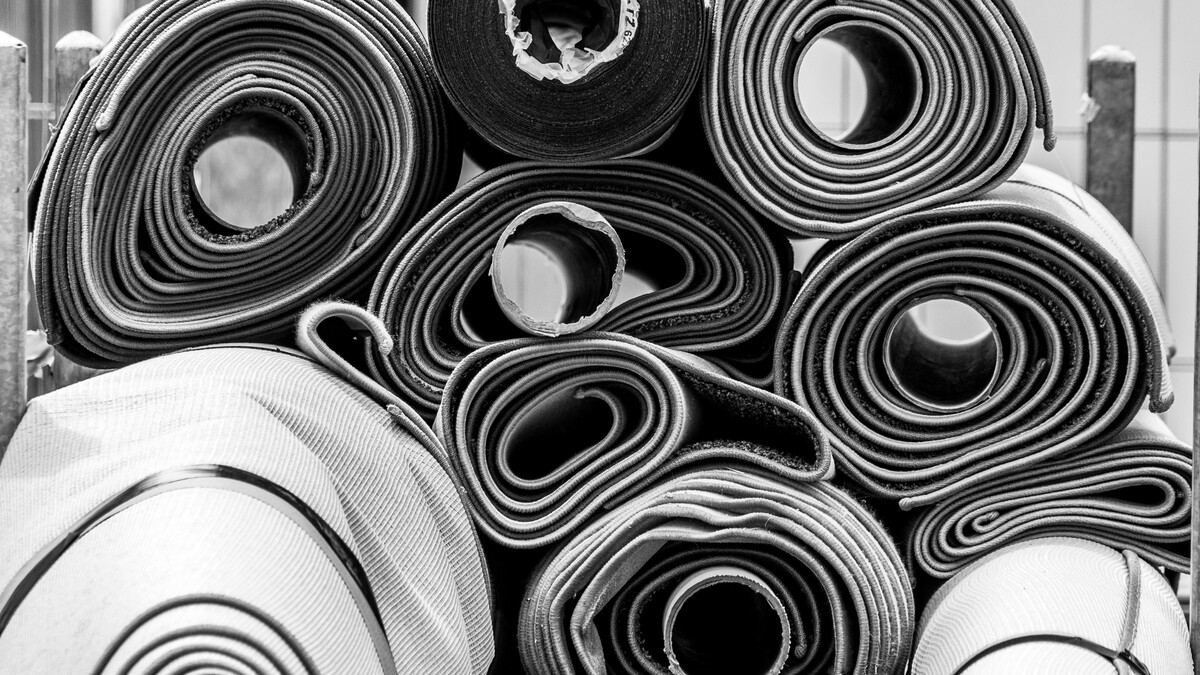
The Bright Idea: Burning Carpet for Energy
Researchers at Georgia Tech saw an opportunity. Carpet fibers are derived from petroleum, so they contain significant embodied energy. When burned, they release that energy as heat. Moreover, the calcium carbonate in carpet backing is a key raw material in cement manufacturing.
Cement kilns operate at extremely high temperatures and can use a variety of alternative fuels. The idea was to substitute a portion of the fossil fuels typically used—such as coal or natural gas—with shredded carpet. This would simultaneously divert waste from landfills and reduce the cement industry's carbon footprint. Laboratory tests confirmed that carpet-derived fuel could indeed be used in cement kilns without compromising the quality of the cement.
The Experiment That Worked
The technical feasibility was demonstrated in pilot projects. Shredded carpet was fed into cement kilns, and the results were promising. The high temperatures ensured complete combustion, and the mineral content of the carpet ash was incorporated into the clinker, the main component of cement. Emissions were within regulatory limits, and the cement quality remained consistent.
For a moment, it seemed like a win-win: a solution for carpet waste and a cheaper, greener fuel for cement makers. The concept even attracted attention from industry players and government agencies looking to promote waste-to-energy technologies.
Why It Didn't Become a Business
Despite the technical success, the economics never worked out. Several factors contributed to the failure of the carpet-to-cement fuel idea to scale:
- Collection and processing costs: Gathering, sorting, and shredding carpet is expensive. The logistics of collecting waste carpet from thousands of locations and preparing it for kilns added significant cost.
- Competition from cheaper fuels: Cement kilns can use a variety of alternative fuels, including tires, plastics, and biomass. Carpet-derived fuel struggled to compete on price with these alternatives.
- Inconsistent supply and quality: Carpet waste varies widely in composition, making it difficult to guarantee a consistent fuel product. Cement producers require reliable, uniform inputs.
- Regulatory and permitting hurdles: Burning waste in cement kilns requires permits and compliance with air quality regulations, which can be time-consuming and costly.
- Lack of infrastructure: There was no established supply chain for carpet-derived fuel, and building one would require substantial investment.
Without a viable business model, the idea remained a laboratory curiosity. The companies that had shown interest eventually backed away, and the carpet-to-cement fuel concept faded into obscurity. The background to this story is set out in Energy Utilities: latest articles. A related thread runs through Spain's Solar Panel Waste Challenge: Recycling Aging Panels. Earlier coverage in Ireland Data Centers Now Use 23% of National Electricity shows how the argument developed.
What the Experiment Teaches Us About Waste-to-Energy
The carpet-to-cement fuel story is a classic example of the challenges facing waste-to-energy technologies. Technical feasibility is only the first hurdle; economic viability is often much harder to achieve. For any waste-to-energy project to succeed, it must overcome logistical, economic, and regulatory barriers. A closer look at the same subject appears in Wooden Wind Turbine Blades: Navarra's Recyclable Solution. Anyone following the wider picture can start with Data Centers Lose Big in US Local Elections: What It Means. The same theme surfaces in Data Centers Consume Water, Power and Money But Not Workers, which takes a different angle.
This lesson is relevant today as we grapple with mounting waste streams and the need to decarbonize heavy industries. While burning waste for energy can be part of the solution, it is not a silver bullet. The carpet experiment showed that even a seemingly elegant solution can fail when the numbers don't add up. Context on how this played out before sits in Fabric Flooring: A Modern, Durable Alternative to Carpet. A companion piece, Carpet-to-Cement Fuel Experiment: A 2007 Energy Lesson, approaches the same subject from another angle.
Comparison of Alternative Fuels for Cement Kilns
| Fuel Type | Energy Content | Availability | Cost | Challenges |
|---|---|---|---|---|
| Carpet-derived fuel | Moderate | Limited (waste stream) | High (processing) | Inconsistent quality, collection logistics |
| Coal | High | Abundant | Moderate | High carbon emissions |
| Tires | High | Moderate | Low | Emissions control |
| Biomass | Low to moderate | Variable | Low to moderate | Moisture content, seasonal availability |
| Plastics | High | Moderate | Low | Sorting and contamination |
FAQ
What was the carpet-to-cement fuel experiment?
It was a 2007 initiative by researchers at the Georgia Institute of Technology to burn shredded carpet waste as an alternative fuel in cement kilns. The goal was to divert carpet from landfills and reduce fossil fuel use in cement production.
Did the experiment work technically?
Yes, pilot tests showed that carpet-derived fuel could be used in cement kilns without harming cement quality or exceeding emissions limits. The high temperatures of cement kilns ensured complete combustion.
Why didn't it become a commercial success?
The economics didn't work. Collection and processing costs were high, and carpet-derived fuel couldn't compete with cheaper alternatives like tires or biomass. Inconsistent supply and regulatory hurdles also hindered adoption.
What can we learn from this experiment?
It highlights that technical feasibility is not enough for waste-to-energy projects. Economic viability, reliable supply chains, and regulatory support are equally important. The carpet experiment is a cautionary tale for similar initiatives.
Browse the Shop
 Acacia frida deluxe solid wood bed frame |
Bedroom bench |
Bed chest drawers |
Lingerie dresser |
Frame base |
Mirror with jewelry storage |
30 Bathroom Vanity |
Memory foam queen mattress |
Mattresses for back pain |
Nightstand set of 2 |
Grand Goldman Shop |
Civil Lawyer
Deutschland Trikot WM 2026







