

China's clean energy surplus has reached such a scale that the country is curtailing vast amounts of solar and wind power—enough to potentially power Mexico for an entire year. This paradox of plenty stems from a solar expansion so rapid that the grid cannot absorb all the electricity generated, forcing operators to deliberately reduce renewable output.
While this might seem like a waste, it reveals deeper challenges and opportunities in the global transition to renewable energy. Understanding why China discards clean electricity and how it could benefit other nations is crucial for policymakers and energy analysts alike.
Find Original Home Decor sparking conversation at Grand Goldman Shop.

What Is Renewable Energy Curtailment?
Curtailment, or 'deslastre' in Spanish, refers to the deliberate reduction or rejection of electricity from renewable sources like solar and wind when the grid cannot absorb, transmit, or distribute all available power at a given moment. It is not a malfunction but an operational decision by grid managers to maintain stability.
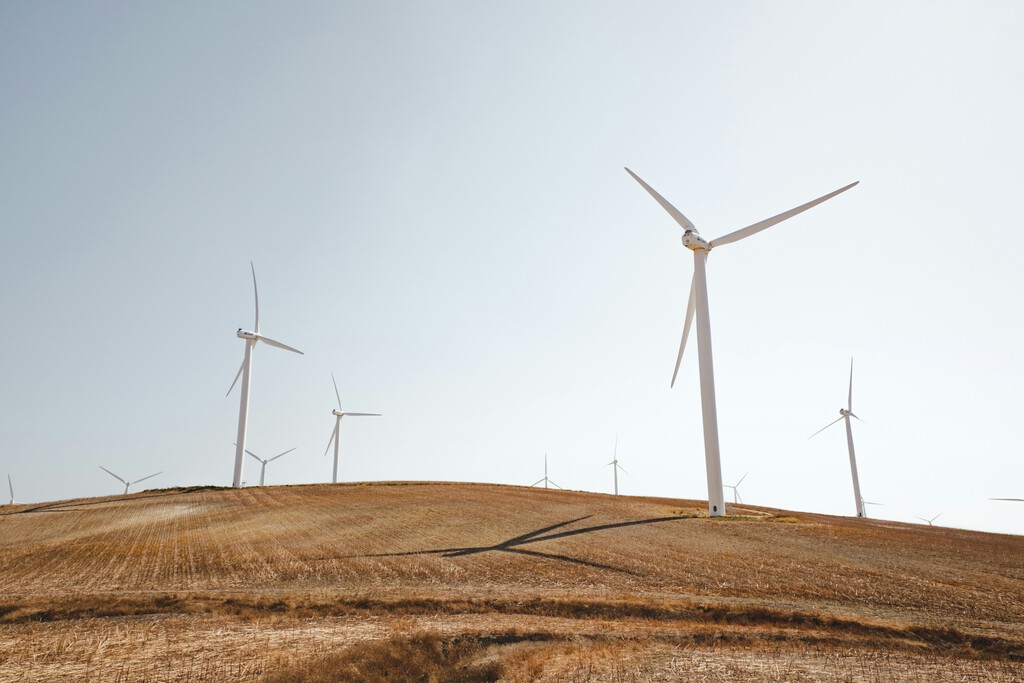
Think of it as a bathtub overflowing: even though the tap is running, the drain cannot handle the volume, so water must be diverted. In China's case, the taps are solar farms and wind turbines, and the drain is the transmission infrastructure.
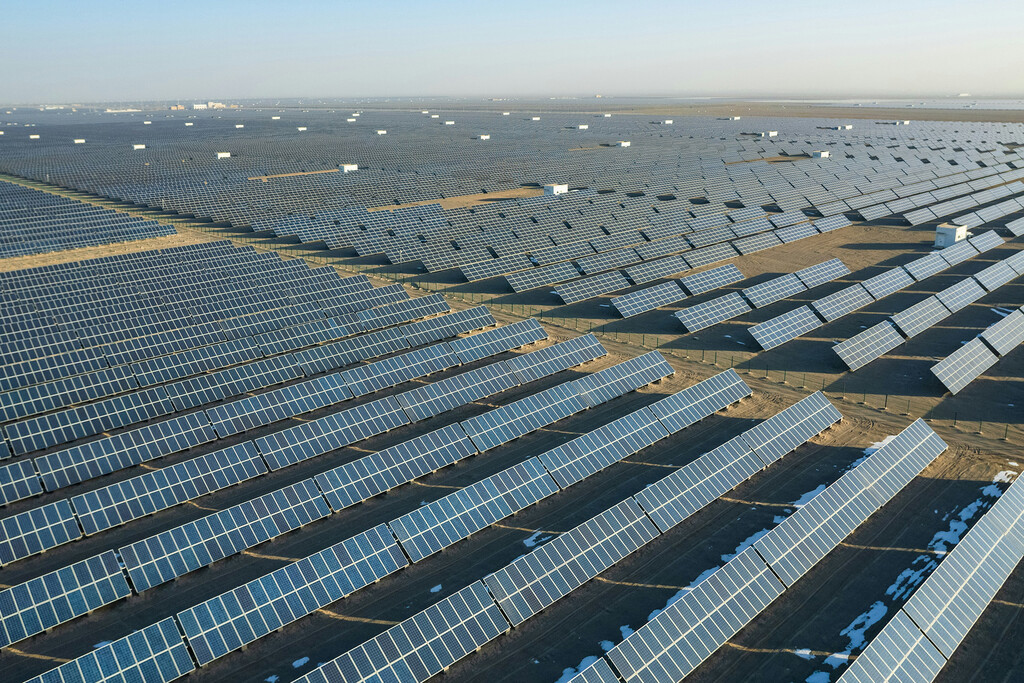
Why China Faces Massive Curtailment
China is the world's undisputed solar leader, having installed more solar capacity in recent years than any other country. However, this rapid build-out has outpaced grid upgrades and energy storage solutions, leading to bottlenecks.
The situation is compounded by the geographic mismatch: most solar farms are in sparsely populated western regions, while demand centers are in the east. Transmission lines have not kept pace, resulting in significant curtailment.
The Scale of the Surplus
According to industry estimates, the curtailed renewable energy in China could satisfy the annual electricity demand of several countries, including Mexico. This surplus highlights both the success and the unintended consequences of China's aggressive renewable push.
Impact on Coal and Emissions
Ironically, curtailment has led to a resurgence in coal use in some regions. When renewable output is curtailed, grid operators often turn to coal-fired plants to meet demand, undermining emissions reductions.
This paradox underscores the need for integrated planning: building renewables without upgrading grids and storage can backfire. China's experience serves as a cautionary tale for other nations pursuing rapid decarbonization.
Could China's Surplus Power Mexico?
Theoretically, the curtailed energy could be exported to countries like Mexico via ultra-high-voltage direct current (UHVDC) lines, but such intercontinental transmission is currently impractical due to distance and cost. The longer history behind the story is traced in China's Clean Energy Surplus Could Power Mexico for a Year.
Instead, the surplus could be used domestically if storage and grid flexibility improve. For Mexico, the lesson is to invest in grid infrastructure alongside renewable generation to avoid similar curtailment. The background to this story is set out in Chipotle's Mexico Expansion Sparks Local Backlash and Debate. A related thread runs through Mexico Surrogacy Ethical Debate: Global Trends & Risks. Earlier coverage in Energy Utilities: latest articles shows how the argument developed.
Key Takeaways for Global Energy Policy
- Rapid renewable expansion must be matched with grid upgrades and storage to prevent curtailment.
- Curtailment can lead to increased reliance on fossil fuels, negating climate benefits.
- Geographic mismatch between generation and demand requires long-distance transmission solutions.
- International cooperation and technology transfer could help utilize surplus clean energy.
- Policy frameworks should incentivize flexibility and demand response to absorb excess renewables.
Comparison of Renewable Curtailment in China and Other Countries
| Country | Renewable Curtailment Rate (approx.) | Main Causes |
|---|---|---|
| China | 5-10% | Grid bottlenecks, geographic mismatch |
| Germany | 1-3% | Grid congestion, slow storage deployment |
| Spain | 2-5% | Limited interconnection, demand patterns |
| United States | 1-4% | Transmission constraints, market rules |
Note: Rates vary by region and year; data is indicative.
What to Watch Next
China is investing heavily in energy storage and ultra-high-voltage transmission lines to reduce curtailment. If successful, the surplus could be integrated into the grid, reducing coal reliance. A closer look at the same subject appears in Spain Solar Records Expose Grid Curtailment Waste Problem. Anyone following the wider picture can start with Chile's Andes Solar Hub Adds 510 MW of Battery Storage. The same theme surfaces in Renewables Overtake Gas in Global Electricity for First Time, which takes a different angle.
Meanwhile, other countries can learn from China's experience by prioritizing grid flexibility and storage from the outset. The global energy transition depends on balancing generation with infrastructure. Context on how this played out before sits in Nvidia H200 China: Beijing Pushes Domestic Chips as 100K GPUs Arrive. A companion piece, China Orders Government Agencies to Ditch Windows 10 China Edition, approaches the same subject from another angle.
FAQ
What is curtailment in renewable energy?Curtailment is the deliberate reduction of renewable electricity output when the grid cannot handle the full amount generated. It is an operational measure to maintain grid stability, not a technical failure.
Curtailment is the deliberate reduction of renewable electricity output when the grid cannot handle the full amount generated. It is an operational measure to maintain grid stability, not a technical failure.
Why does China curtail so much solar power?China's solar capacity has grown faster than its grid infrastructure and storage capacity, especially in remote western regions. This mismatch forces operators to curtail excess power to prevent overloads.
China's solar capacity has grown faster than its grid infrastructure and storage capacity, especially in remote western regions. This mismatch forces operators to curtail excess power to prevent overloads.
Could China export its surplus clean energy to Mexico?While theoretically possible via ultra-long-distance transmission, current technology and costs make intercontinental export impractical. The surplus is more likely to be used domestically as grid and storage improve.
While theoretically possible via ultra-long-distance transmission, current technology and costs make intercontinental export impractical. The surplus is more likely to be used domestically as grid and storage improve.
What can other countries learn from China's curtailment issue?Countries should invest in grid upgrades and energy storage alongside renewable generation to avoid curtailment. Integrated planning is essential to maximize the benefits of clean energy and avoid reverting to fossil fuels.
Countries should invest in grid upgrades and energy storage alongside renewable generation to avoid curtailment. Integrated planning is essential to maximize the benefits of clean energy and avoid reverting to fossil fuels.
Browse the Shop
 Acacia frida deluxe solid wood bed frame |
Bedroom bench |
Bed chest drawers |
Lingerie dresser |
Frame base |
Mirror with jewelry storage |
30 Bathroom Vanity |
Memory foam queen mattress |
Mattresses for back pain |
Nightstand set of 2 |
Grand Goldman Shop |
Civil Lawyer
Deutschland Trikot WM 2026







