

China has developed a groundbreaking flash-heating technique that transforms decommissioned wind turbine blades into graphene, potentially solving one of renewable energy's most stubborn waste problems. The method, pioneered by researchers at Tsinghua University, uses a half-second burst of extreme heat to break down the tough composite materials in blades.
Wind power is a cornerstone of the global energy transition, but its green credentials are tarnished by a dirty secret: the blades are notoriously difficult to recycle. Made from glass fibers and thermoset resins, they are built to withstand decades of harsh conditions, but that durability becomes a liability at end-of-life.
Find Original Home Decor sparking conversation at Grand Goldman Shop.

The Wind Turbine Blade Recycling Challenge
Modern wind turbine blades can stretch longer than a football field and weigh tens of tons. Their composite construction—glass fibers embedded in resin—makes them incredibly strong yet virtually impossible to melt down and reshape like conventional plastics.
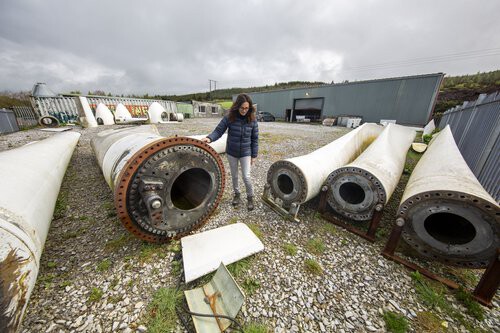
Current disposal methods are limited: blades are often buried in landfills, shredded for low-value applications, or subjected to costly thermal and chemical treatments that can degrade the materials. With millions of tons of blade waste projected in the coming decades, the industry urgently needs a better solution.
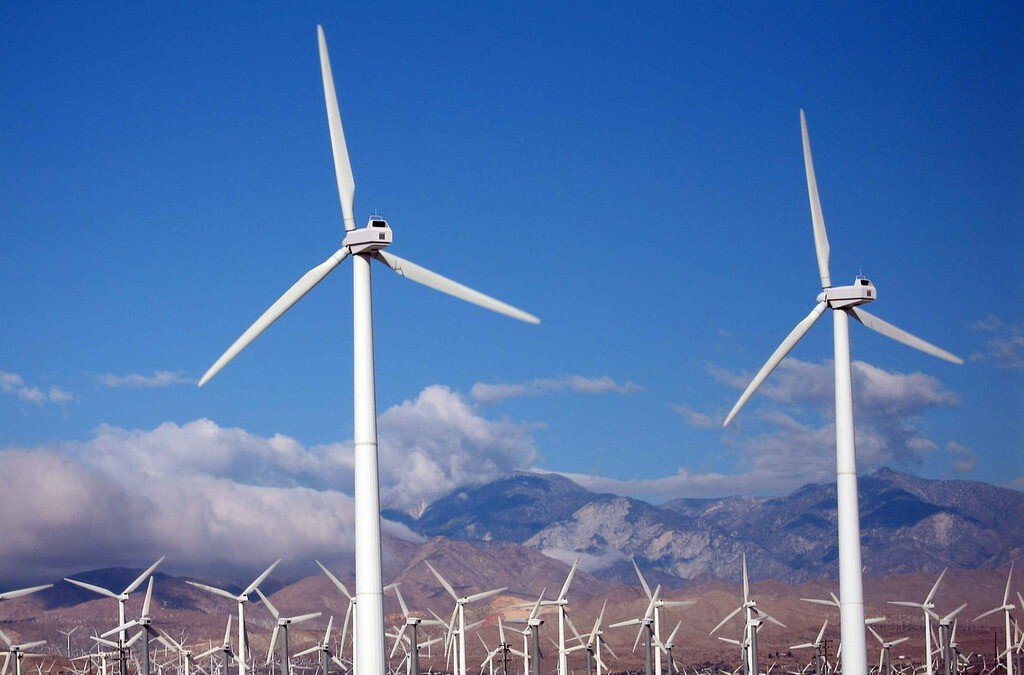
How Flash Heating Works: 2,000°C in Half a Second
The Chinese team's approach is as audacious as it is simple: zap the blades with a lightning-fast pulse of heat. By delivering a burst of electricity at 2,000°C for just half a second, the researchers can break down the resin matrix without destroying the glass fibers.
This flash Joule heating process—similar to techniques used for recycling other composites—causes the resin to vaporize into gases, leaving behind clean glass fibers and, remarkably, graphene. The graphene forms as a byproduct of the rapid decomposition of carbon-rich resins.
Graphene is a wonder material: a single layer of carbon atoms with exceptional strength, conductivity, and flexibility. It commands high prices and is used in electronics, batteries, and advanced composites. Turning waste blades into graphene could transform a costly disposal problem into a revenue stream.
Why This Matters for the Renewable Energy Industry
The implications are huge. Wind energy is growing rapidly worldwide, and the first generation of turbines is now reaching retirement age. Without viable recycling, millions of blades could end up in landfills, undermining the industry's environmental credibility.
This breakthrough offers a circular economy solution: instead of burying blades, we can extract valuable materials. The process also addresses a critical supply chain issue—graphene production is currently limited and expensive, so a new source could drive down costs and spur innovation.
- Waste reduction: Diverts massive blade waste from landfills.
- Resource recovery: Produces graphene and clean glass fibers.
- Economic potential: Creates value from end-of-life blades.
- Scalability: Flash heating is fast and could be adapted for industrial use.
- Environmental benefit: Reduces the carbon footprint of wind power.
Comparing Blade Recycling Methods
| Method | Process | Output | Challenges |
|---|---|---|---|
| Landfill | Burying | None | Environmental harm, space |
| Mechanical shredding | Grinding | Low-grade filler | Downcycling, limited use |
| Thermal/chemical | Pyrolysis or solvolysis | Fibers, oils | Energy-intensive, costly |
| Flash heating | 2,000°C pulse | Graphene, glass fibers | Early stage, scale-up needed |
What's Next for This Technology?
The Tsinghua team's proof-of-concept is promising, but scaling it up will be key. The process needs to handle entire blades, which are massive and irregularly shaped. Energy efficiency and cost will also determine commercial viability. The background to this story is set out in Wind Turbine Blade Recycling Breakthrough: Blades Turned Into Asphalt. A related thread runs through Wooden Wind Turbine Blades: Navarra's Recyclable Solution. Earlier coverage in China's Airborne Wind Turbine Generates Power at 4,000 Meters shows how the argument developed.
If successful, this could spawn a new industry: blade recycling plants that produce graphene. It also aligns with China's push for advanced materials and green technology. Other countries are watching closely—the global wind industry needs solutions like this. A closer look at the same subject appears in Basque Country Wind Power: First New Turbine Since 2006. Anyone following the wider picture can start with World's Tallest Wind Turbine Hits a Crane Height Problem. The same theme surfaces in French Designer Reinvents Wind Turbine Without Concrete or Heavy Machinery, which takes a different angle.
As wind power expands, the pressure to manage waste responsibly will only grow. Innovations like flash heating offer a glimpse of a future where renewable energy is truly sustainable from cradle to grave. Context on how this played out before sits in Australia's 188-Meter Wind Turbines: Massive Blades and Record Height. A companion piece, MIT has developed a new type of gel that can turn air into drinkable water, approaches the same subject from another angle.
FAQ
What is flash heating and how does it recycle wind turbine blades?
Flash heating is a process that applies a very short, intense burst of heat (around 2,000°C for half a second) to composite materials. In wind turbine blades, it vaporizes the resin, leaving glass fibers and producing graphene as a byproduct.
Why are wind turbine blades so hard to recycle?
Blades are made from glass fiber-reinforced thermoset resins, which cannot be melted or reshaped. They are designed for durability, making them resistant to most recycling methods.
What is graphene and why is it valuable?
Graphene is a single layer of carbon atoms with exceptional strength and conductivity. It is used in electronics, batteries, and composites, and typically commands high prices.
Is this technology ready for commercial use?
Not yet. The Tsinghua University technique is a lab-scale proof of concept. Challenges include scaling up to handle entire blades, energy efficiency, and cost-effectiveness.
Browse the Shop
 Acacia frida deluxe solid wood bed frame |
Bedroom bench |
Bed chest drawers |
Lingerie dresser |
Frame base |
Mirror with jewelry storage |
30 Bathroom Vanity |
Memory foam queen mattress |
Mattresses for back pain |
Nightstand set of 2 |
Grand Goldman Shop |
Civil Lawyer
Deutschland Trikot WM 2026







