

In 2009, Iceland's Deep Drilling Project accidentally struck magma at just 2,104 meters depth in the Krafla volcanic field, and today scientists view this mishap as a potential source of limitless geothermal energy. The discovery has opened new doors for harnessing the Earth's heat safely and efficiently.
The Accidental Discovery That Changed Geothermal Research
While drilling in northeast Iceland, the project team unexpectedly hit live magma. The drilling fluids quickly cooled the molten rock, creating volcanic glass fragments. This glass is a scientific treasure because it preserves the magma's original composition, unlike lava that erupts and loses critical information.
Find Original Home Decor sparking conversation at Grand Goldman Shop.

For decades, scientists have studied erupted lava to understand magma chambers, but these samples are degraded by violent surface eruptions. The Krafla incident provided direct access to intact magma, offering unprecedented insights into volcanic systems and geothermal potential.
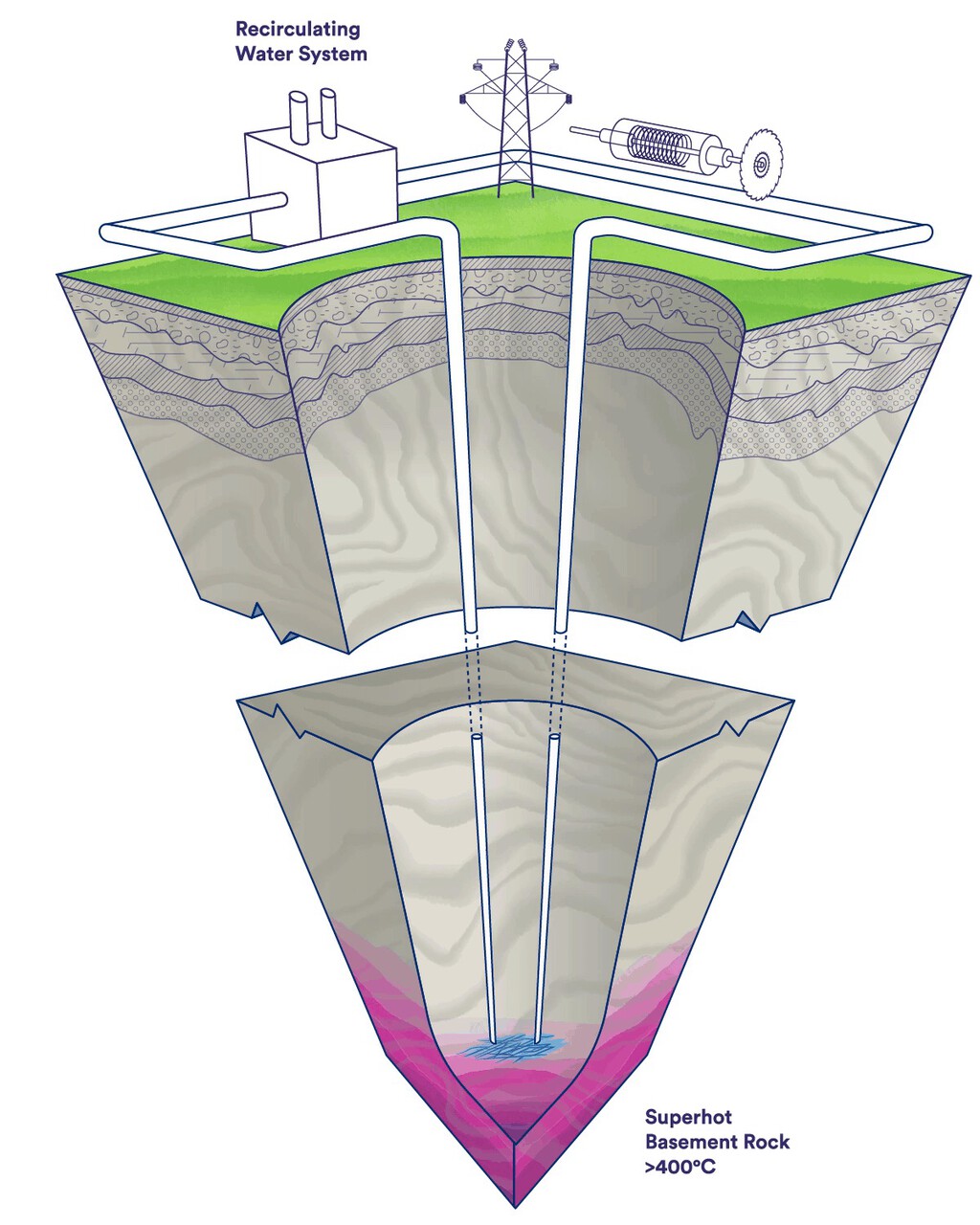
Why Magma Matters for Energy
Magma is molten rock that can reach temperatures over 1,000°C. Its heat can be harnessed to generate steam, which drives turbines to produce electricity. Traditional geothermal plants rely on naturally occurring hot water and steam reservoirs, but magma offers much higher energy densities.
However, drilling into magma is risky due to extreme temperatures and pressures. The 2009 accident demonstrated that it's possible, but also highlighted the need for better materials and techniques to withstand these conditions.
How Geothermal Energy Works
Geothermal energy taps into the Earth's internal heat. Wells are drilled to access hot water or steam, which is brought to the surface to power generators. Iceland, with its volcanic activity, is a leader in geothermal energy, using it for heating and electricity.
The Krafla magma find could lead to a new generation of geothermal systems that drill directly into magma chambers, potentially providing a nearly unlimited energy supply. But significant engineering challenges remain.
Challenges and Opportunities
Drilling into magma requires equipment that can withstand temperatures exceeding 1,000°C and corrosive gases. The 2009 project used conventional drilling equipment, which was damaged by the extreme heat. Future efforts will need advanced materials and cooling systems.
Moreover, the environmental impact of magma drilling must be assessed. While geothermal energy is renewable and low-carbon, tapping into magma could trigger volcanic activity or release hazardous gases. Careful monitoring and regulation are essential. The background to this story is set out in Mars Magma Discovery Suggests Hidden Habitable Potential. A related thread runs through UK Geothermal Breakthrough: Clean Energy for 10,000 Homes. Earlier coverage in The Fires Review: Volcano Disaster Romance in Iceland shows how the argument developed.
The Future of Magma Energy
Since 2009, Iceland has continued to study the Krafla site. The Iceland Deep Drilling Project (IDDP) aims to drill even deeper to reach supercritical fluids, which have even higher energy content. The knowledge gained from the accidental magma strike is guiding these efforts. A closer look at the same subject appears in The Fires Review: Iceland Disaster-Romance Volcano Thriller. Anyone following the wider picture can start with The Fires Review: Iceland Volcano Disaster Romance Draws You. The same theme surfaces in Why Reynisfjara Beach in Iceland has a traffic light system, which takes a different angle.
Other countries with volcanic activity, such as Japan, New Zealand, and the United States, are also exploring magma energy. If successful, this technology could provide a stable, baseload power source that complements intermittent renewables like solar and wind. Context on how this played out before sits in Zaragoza's Aquifer Geothermal Energy Cuts Bills and CO2. A companion piece, Energy Utilities: latest articles, approaches the same subject from another angle.
FAQ
What happened in Iceland in 2009?
In 2009, Iceland's Deep Drilling Project accidentally drilled into a magma chamber at 2,104 meters depth in the Krafla volcanic field. The drilling fluids cooled the magma into glass, providing valuable scientific samples.
Why is magma a potential energy source?
Magma is molten rock with temperatures over 1,000°C. Its heat can be used to generate steam for electricity, offering a much higher energy density than conventional geothermal sources.
Can we drill into magma safely?
Drilling into magma is challenging due to extreme heat and pressure. Current equipment cannot withstand these conditions for long. Research is ongoing to develop materials and techniques for safe magma drilling.
What are the risks of magma energy?
Risks include equipment failure, potential volcanic activity, and release of hazardous gases. Proper monitoring and regulation are necessary to mitigate these risks.
Browse the Shop
 Acacia frida deluxe solid wood bed frame |
Bedroom bench |
Bed chest drawers |
Lingerie dresser |
Frame base |
Mirror with jewelry storage |
30 Bathroom Vanity |
Memory foam queen mattress |
Mattresses for back pain |
Nightstand set of 2 |
Grand Goldman Shop |
Civil Lawyer
Deutschland Trikot WM 2026







