

Larry Ellison, co-founder of Oracle and one of the world's wealthiest individuals, invested hundreds of millions of dollars in a hydroponic farming project on his private Hawaiian island of Lanai. The ambitious venture, dubbed Sensei Ag, aimed to revolutionize food production using advanced technology and sustainable methods. However, the project has reportedly struggled, becoming another example of the challenges facing high-tech agriculture.
The Vision: A Sustainability Laboratory on Lanai
In 2012, Ellison purchased 98% of Lanai for just under $300 million. Beyond a vacation retreat, he envisioned the island as a sustainability laboratory. A key initiative was vertical farming through Sensei Ag, which promised to produce fresh, healthy food using fewer resources. The goal was to multiply food production and set a new standard for sustainable agriculture.
Find Original Home Decor sparking conversation at Grand Goldman Shop.

Ellison's project tapped into the growing interest in agtech, where technology meets farming to address food security and environmental concerns. Hydroponic and vertical farming methods are often touted as solutions to water scarcity and land limitations, but they require significant investment and technical expertise.
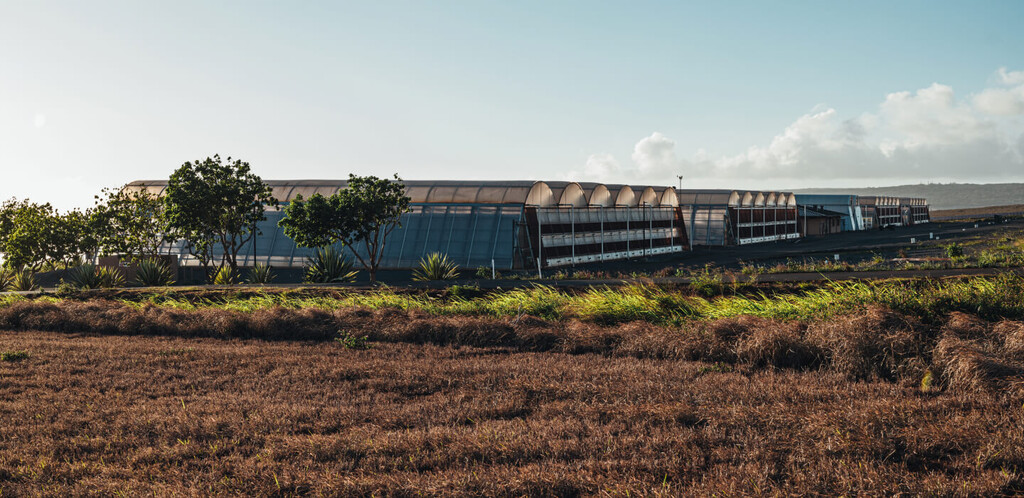
Why the Project Fell Short
Despite the hefty investment—reportedly around $500 million—Sensei Ag has not lived up to expectations. The reasons are multifaceted, reflecting common pitfalls in agtech. High operating costs, energy demands, and the complexity of scaling hydroponic systems are often cited as barriers. Additionally, the remote location of Lanai may have posed logistical challenges.
Ellison's venture is not alone in facing difficulties. Many high-tech farming startups have struggled to achieve profitability, highlighting the gap between innovative ideas and practical implementation. The project's setbacks underscore the need for realistic planning and sustainable business models in agricultural technology. Context on how this played out before sits in Larry Ellison's $500 Million Hydroponic Farm on Lanai Struggles.
What This Means for the Future of Farming
The challenges faced by Sensei Ag offer valuable lessons for the agtech industry. While technology can enhance food production, it must be economically viable and adaptable to local conditions. Investors and entrepreneurs should consider factors like energy efficiency, market demand, and supply chain logistics before committing to large-scale projects. The background to this story is set out in Larry Ellison's Surveillance Vision: Oracle Founder on Mass Monitoring. A related thread runs through Larry Ellison Buys Entire Florida Neighborhood for Employees.
Moreover, the project raises questions about the role of billionaires in solving global food challenges. While their capital can drive innovation, sustainable solutions require collaboration across sectors and a focus on long-term resilience rather than quick wins. Earlier coverage in Energy Utilities: latest articles shows how the argument developed. A closer look at the same subject appears in Aragon's Cure for Abandoned Pyrenees: Cultivating Medicinal Herbs.
Key Takeaways from Ellison's Lanai Experiment
- Larry Ellison invested heavily in hydroponic farming on Lanai to revolutionize food production.
- The project, Sensei Ag, aimed to combine advanced technology with sustainable agriculture.
- Despite high hopes, the venture has struggled, reflecting common agtech challenges.
- High costs, energy demands, and scalability issues are major hurdles.
- The project highlights the gap between technological ambition and practical implementation.
Comparing Hydroponic and Traditional Farming
| Aspect | Hydroponic/Vertical Farming | Traditional Farming |
|---|---|---|
| Water Use | Up to 90% less | High |
| Land Requirement | Minimal (stackable) | Large |
| Energy Consumption | High (lighting, climate control) | Moderate |
| Initial Investment | Very high | Moderate |
| Scalability | Complex | Proven |
This table illustrates why hydroponic farming, despite its advantages, can be challenging to implement at scale. Ellison's project likely encountered these trade-offs, contributing to its difficulties. Anyone following the wider picture can start with Spain's Olive Oil Crisis: 75% of Groves Now Produce at a Loss. The same theme surfaces in Basque Country Heatwaves Devastate Crops and Dairy Farms, which takes a different angle.
Frequently Asked Questions
What was Larry Ellison's goal with the Lanai farming project?
Ellison aimed to transform Lanai into a sustainability laboratory and revolutionize food production through hydroponic farming, using advanced technology to grow fresh produce with fewer resources.
Why did Sensei Ag struggle?
The project faced high operating costs, energy demands, and logistical challenges associated with remote locations. Scaling hydroponic systems also proved complex, reflecting broader agtech hurdles.
How much did Ellison invest in the project?
Reports indicate Ellison invested around $500 million in the hydroponic farming initiative on Lanai.
What can other agtech ventures learn from this?
They should prioritize economic viability, energy efficiency, and local adaptability. Sustainable business models and realistic scaling strategies are crucial for success.
The story of Ellison's Lanai farm is a cautionary tale about the complexities of merging technology with agriculture. While innovation is essential, it must be grounded in practical and sustainable practices. As the world seeks solutions to food security, lessons from such high-profile projects will inform future endeavors.
Browse the Shop
 Acacia frida deluxe solid wood bed frame |
Bedroom bench |
Bed chest drawers |
Lingerie dresser |
Frame base |
Mirror with jewelry storage |
30 Bathroom Vanity |
Memory foam queen mattress |
Mattresses for back pain |
Nightstand set of 2 |
Grand Goldman Shop |
Civil Lawyer
Deutschland Trikot WM 2026







