

Meta is turning to space solar power to meet the enormous electricity demands of its AI data centers, signing deals with Overview Energy and Noon Energy. The move highlights a growing challenge: Earth's current clean energy sources may not be enough to sustain the rapid buildout of artificial intelligence infrastructure.
In 1941, Isaac Asimov wrote about capturing solar energy in space and beaming it back to Earth. More than eighty years later, that science fiction concept is becoming a serious infrastructure strategy for one of the world's largest tech companies.
Find Original Home Decor sparking conversation at Grand Goldman Shop.

Why Meta Is Looking Beyond Earth for Energy
The AI race has triggered a massive expansion of data centers, servers, and computing power. Each new model and service requires stable, round-the-clock electricity. Meta argues that current clean energy sources, while helpful, have clear limitations for continuous supply.
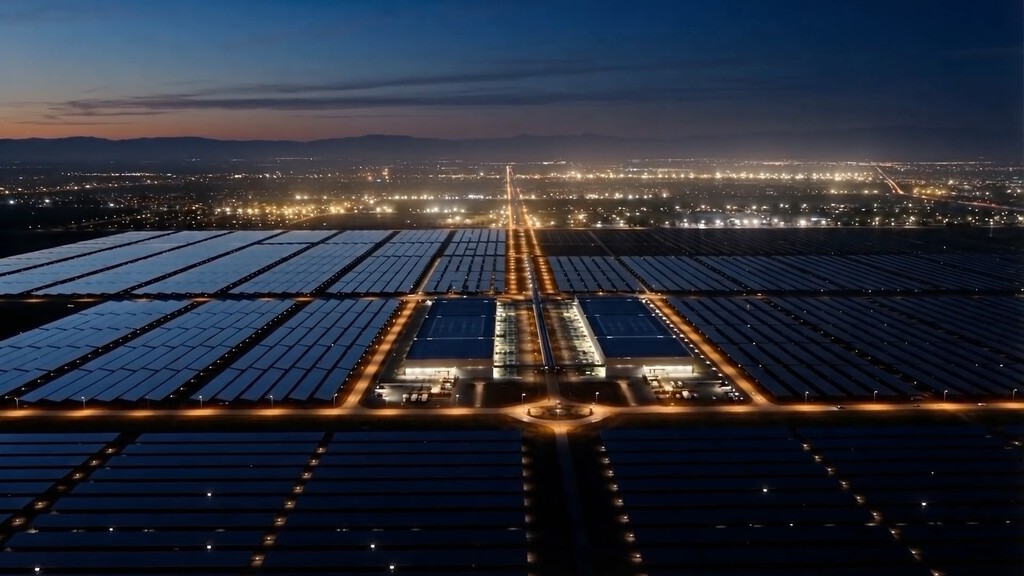
Solar power doesn't work at night. Wind doesn't always blow. And the grid needs storage to turn intermittent energy into a reliable base for operations. That's where space solar and long-duration storage come in.
The Two Deals: Overview Energy and Noon Energy
Meta's strategy involves two agreements that tackle the problem from different angles. The first is with Overview Energy, a startup from which Meta has reserved up to 1 GW of orbital solar capacity to support its data center operations.
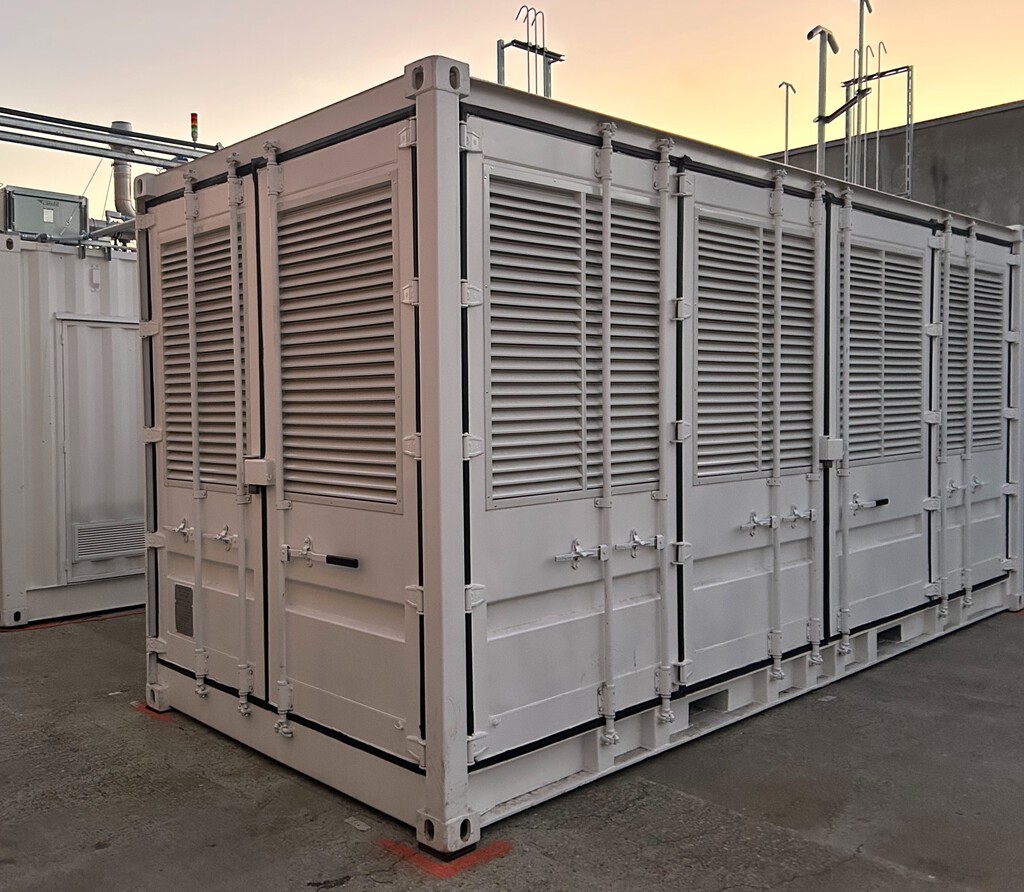
The second is with Noon Energy, a company focused on long-duration energy storage. While details of that deal are less public, the pairing suggests Meta is building a portfolio that combines novel generation with advanced storage.
How Space Solar Power Works
Space solar power involves capturing sunlight in orbit, where the sun always shines, and transmitting it to Earth via microwaves or lasers. The concept promises continuous, weather-independent energy. However, it requires massive infrastructure in space and ground-based receiving stations.
Meta's reservation of 1 GW from Overview Energy is a significant vote of confidence for a technology that has struggled to move beyond pilot projects.
Noon Energy's Role in Long-Duration Storage
Noon Energy develops long-duration storage solutions, likely based on novel battery chemistries or other technologies. Such storage is critical for balancing intermittent renewables and ensuring data centers have power even when the sun isn't shining or the wind isn't blowing.
By combining space solar with long-duration storage, Meta aims to create a more resilient and sustainable energy mix for its operations. The background to this story is set out in Space Solar Power: Beaming Sunlight to Earth at Night. A related thread runs through Data Centers' Water Consumption Triples: The Hidden Cost of AI. Earlier coverage in Ireland Data Centers Now Use 23% of National Electricity shows how the argument developed.
Key Takeaways for the Energy and Tech Industries
- Meta has reserved up to 1 GW of orbital solar capacity from Overview Energy.
- The company also signed a deal with Noon Energy for long-duration storage.
- Space solar power could provide continuous, weather-independent electricity.
- The move signals that current clean energy sources may not suffice for AI's growth.
- Long-duration storage is essential to make intermittent renewables reliable.
Comparison of Energy Sources for Data Centers
| Energy Source | Availability | Carbon Footprint | Infrastructure Needs |
|---|---|---|---|
| Space Solar | Continuous (orbital) | Very low | High (space-based and ground receiving) |
| Terrestrial Solar | Intermittent (daytime) | Low | Moderate (panels, land) |
| Wind | Intermittent (weather-dependent) | Low | Moderate (turbines) |
| Natural Gas | Continuous | High | Low (existing infrastructure) |
| Nuclear | Continuous | Very low | Very high (plant construction) |
What This Means for the Future of AI Infrastructure
Meta's move is a bet that the future of AI depends on energy sources that go beyond what Earth can easily provide. If space solar and long-duration storage prove viable, they could reshape how data centers are powered worldwide. A closer look at the same subject appears in Data Centers Consume Water, Power and Money But Not Workers. Anyone following the wider picture can start with China's Underwater Data Centers: A Commercial Reality for AI. The same theme surfaces in Wave Energy Powers AI Data Centers in Major Green Shift, which takes a different angle.
For now, the deals are a signal that tech giants are willing to invest in moonshot energy solutions to keep their AI ambitions alive. The question is whether these technologies can scale in time to meet the insatiable demand for computing power. Context on how this played out before sits in AI's Real Business Isn't AI: It's Renting Data Centers. A companion piece, Jeff Bezos: Space Data Centers Could End Pollution, approaches the same subject from another angle.
FAQ
What is space solar power?
Space solar power is a concept where sunlight is collected in orbit and transmitted to Earth as microwaves or lasers. It promises continuous, weather-independent energy, unlike terrestrial solar.
Why does Meta need so much energy?
Meta's AI data centers require massive amounts of electricity to train and run large language models and other AI services. As AI models grow, so does the energy demand.
What is long-duration energy storage?
Long-duration energy storage refers to technologies that can store energy for many hours or days, helping to balance intermittent renewable sources like solar and wind. Noon Energy is one company working on this.
Is space solar power realistic?
Space solar power faces significant technical and economic challenges, including launch costs and transmission efficiency. However, Meta's investment suggests it is at least worth exploring as a future energy source.
Browse the Shop
 Acacia frida deluxe solid wood bed frame |
Bedroom bench |
Bed chest drawers |
Lingerie dresser |
Frame base |
Mirror with jewelry storage |
30 Bathroom Vanity |
Memory foam queen mattress |
Mattresses for back pain |
Nightstand set of 2 |
Grand Goldman Shop |
Civil Lawyer
Deutschland Trikot WM 2026







