

Puerto Rico's mongoose rabies problem traces back to the 1870s, when sugar plantation owners introduced the Indian mongoose to control rats. A century and a half later, the sugar industry is gone, but the mongooses remain—and they are now the island's primary rabies reservoir.
The Original Solution: Mongoose as Biological Control
In the 19th century, sugar cane was central to Puerto Rico's economy, and rats were a major pest. Plantation owners looked for a natural predator and found the Indian mongoose, a small carnivore from Asia. The idea was simple: import mongooses to eat the rats and protect the crops.
Find Original Home Decor sparking conversation at Grand Goldman Shop.

Puerto Rico adopted this strategy in the 1870s, following other Caribbean islands. On paper, it seemed logical. In reality, the experiment went very differently.
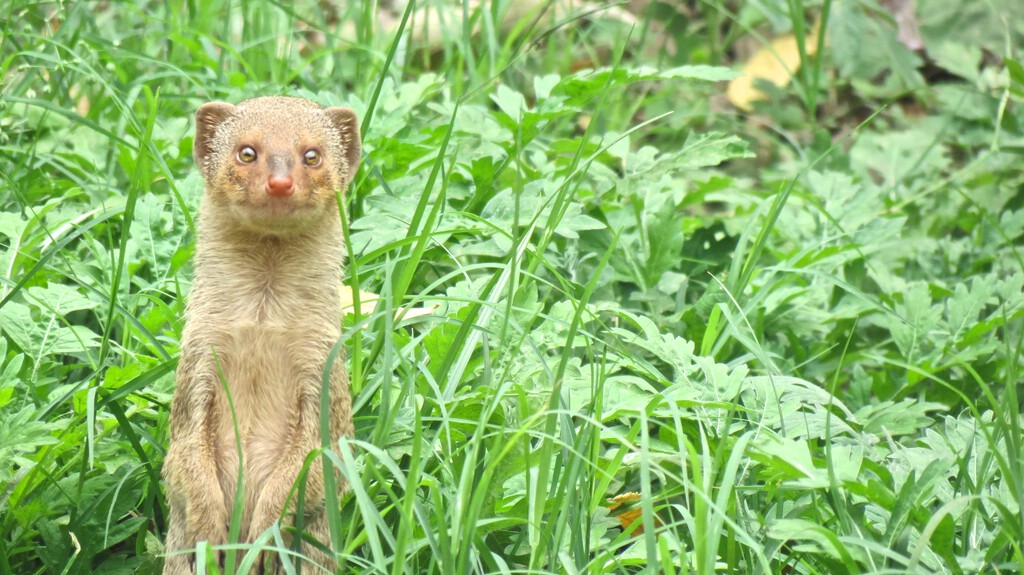
Why the Mongoose Experiment Failed
The mongooses spread rapidly but never fully solved the rat problem. One key reason is that mongooses are diurnal—active during the day—while rats are primarily nocturnal. So the predator and prey were on different schedules.
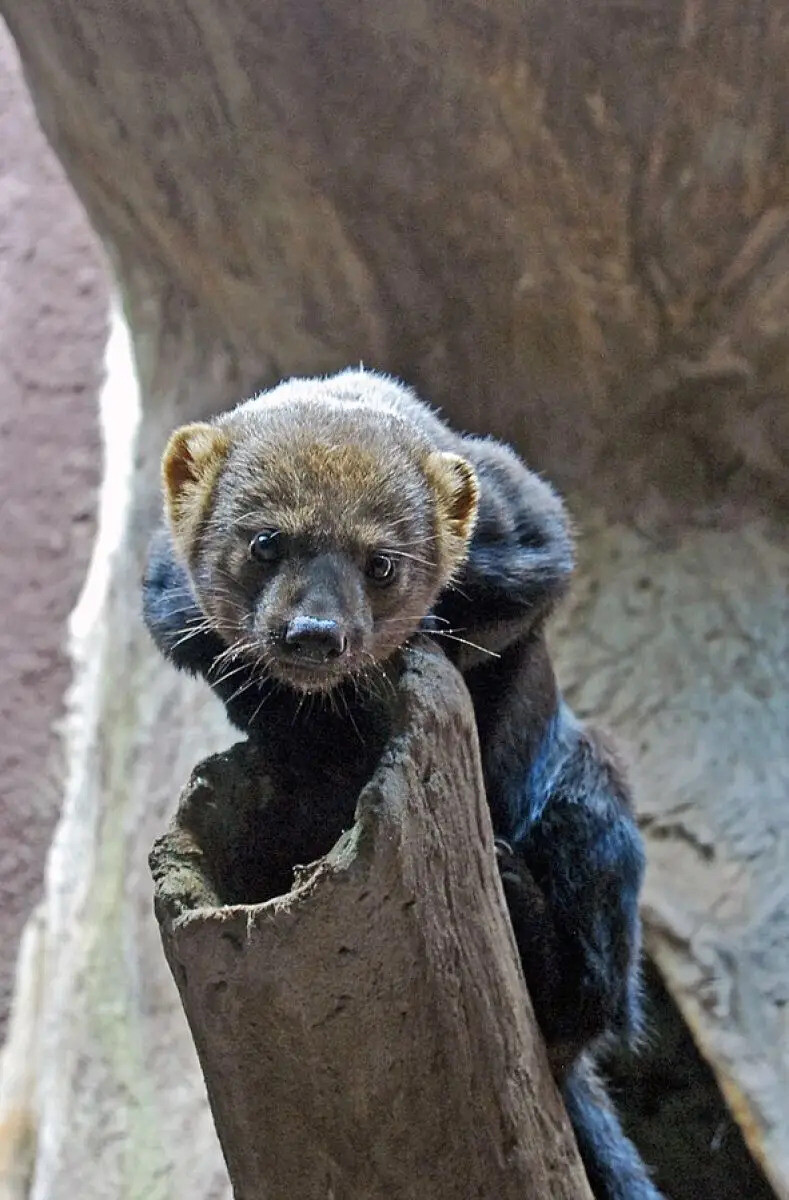
Instead of focusing on rats, mongooses preyed on native wildlife, including birds, reptiles, and amphibians. They also reproduced quickly and adapted to various habitats, from forests to agricultural areas. Without natural predators, their population exploded.
Unintended Ecological Consequences
The introduction of mongooses had cascading effects on Puerto Rico's ecosystems. Native species that had no defenses against this new predator suffered. Ground-nesting birds, lizards, and snakes became easy prey. The mongoose became an invasive species, disrupting the balance of the island's fauna.
Today, mongooses are common across Puerto Rico and are considered a nuisance in many areas. They raid poultry farms, rummage through garbage, and even enter homes. But the most serious issue is their role in disease transmission.
The Rabies Connection
Mongooses are now the main source of rabies in Puerto Rico. According to health authorities, the majority of rabies cases in animals on the island involve mongooses. This poses a risk to pets and humans, especially in rural areas where contact is more likely.
Rabies is a fatal viral disease that affects the nervous system. Once symptoms appear, it is almost always deadly. In Puerto Rico, vaccination campaigns for pets and public awareness efforts aim to reduce the risk, but controlling mongoose populations is challenging.
Impact on Public Health
The mongoose rabies problem affects not only wildlife but also public health. People who come into contact with rabid mongooses may need post-exposure prophylaxis, a series of shots that prevent the disease from developing. This can be costly and stressful.
In addition, the presence of rabies in mongooses can spill over to other animals, including domestic pets and livestock. This creates a constant need for surveillance and vaccination.
What's Being Done Today
Efforts to manage mongooses in Puerto Rico include trapping, poisoning, and public education. However, these measures have had limited success. The mongoose population is well-established and widespread.
Researchers are also studying ways to control rabies in mongooses through oral vaccines. Similar approaches have been used for raccoons and foxes in other regions. But implementing such a strategy on a large scale is complex and expensive.
Lessons for Invasive Species Management
The Puerto Rico mongoose story is a classic example of unintended consequences in biological control. It highlights the importance of thorough ecological risk assessments before introducing non-native species. Context on how this played out before sits in Puerto Rico's Mongoose Rabies Problem: 150 Years of Unintended Consequences.
Modern approaches to pest control emphasize integrated pest management, which combines biological, cultural, and chemical methods with minimal environmental impact. The mongoose case serves as a cautionary tale for policymakers and conservationists. The background to this story is set out in Energy Utilities: latest articles. A related thread runs through Spain's Barbary Sheep: CSIC Study Questions Invasive Label.
Key Takeaways
- Mongooses were introduced to Puerto Rico in the 1870s to control rats in sugar cane fields.
- They failed to control rats because of differences in activity patterns (diurnal vs. nocturnal).
- Mongooses became an invasive species, harming native wildlife.
- Today, they are the primary rabies reservoir in Puerto Rico, posing a public health risk.
- Management efforts are ongoing but challenging, and the case underscores the need for careful planning in biological control.
Comparing Mongoose Introductions
| Location | Year Introduced | Purpose | Outcome |
|---|---|---|---|
| Puerto Rico | 1870s | Rat control in sugar cane | Mongooses became invasive; main rabies source |
| Jamaica | 1872 | Rat control in sugar cane | Similar ecological damage; rabies concerns |
| Hawaii | 1883 | Rat control in sugar cane | Mongooses harmed native birds; no rabies established |
| Fiji | 1883 | Rat control in sugar cane | Mongooses spread; impact on native species |
What to Watch Next
The situation in Puerto Rico continues to evolve. Health authorities monitor rabies cases, and conservationists work to protect native species. Climate change and land use changes could further alter the dynamics. Earlier coverage in The Catfish That Ate Spain: Half a Century of the Ebro River Monster shows how the argument developed. A closer look at the same subject appears in How 100 Starlings Released in Central Park Took Over America.
For now, the mongoose remains a permanent fixture in Puerto Rico's landscape—a reminder of how human interventions can have lasting, unintended effects. Anyone following the wider picture can start with Strawberry Guava: From 1825 Food Crop to Invasive Threat in Hawaii. The same theme surfaces in Alligator Snapping Turtle Seized in Spain: What You Need to Know, which takes a different angle.
FAQ
Why were mongooses introduced to Puerto Rico?
Mongooses were introduced in the 1870s to control rats that were damaging sugar cane plantations. Plantation owners hoped the mongooses would act as a natural predator and reduce rat populations.
Are mongooses still a problem in Puerto Rico?
Yes, mongooses are now an invasive species and the primary source of rabies on the island. They also prey on native wildlife and can be a nuisance in urban and rural areas.
How does mongoose rabies affect people?
Rabies from mongooses can infect pets and potentially humans through bites or scratches. Post-exposure prophylaxis is available but must be administered promptly. Public health officials advise avoiding contact with mongooses and vaccinating pets.
Can the mongoose population be controlled?
Efforts to control mongooses have had limited success. Trapping and poisoning are used but are not effective on a large scale. Researchers are exploring oral vaccines as a potential solution, but it is not yet widely implemented.
Browse the Shop
 Acacia frida deluxe solid wood bed frame |
Bedroom bench |
Bed chest drawers |
Lingerie dresser |
Frame base |
Mirror with jewelry storage |
30 Bathroom Vanity |
Memory foam queen mattress |
Mattresses for back pain |
Nightstand set of 2 |
Grand Goldman Shop |
Civil Lawyer
Deutschland Trikot WM 2026







