

In 1977, a Saudi prince orchestrated the transport of a two-ton iceberg from Alaska to Iowa, hoping to demonstrate that towing icebergs could solve global water shortages. The ambitious experiment, however, ended with the ice being used to chill cocktails—a far cry from its intended purpose. This bizarre episode highlights the challenges of grand engineering solutions to water scarcity.
The Iceberg That Traveled to Iowa
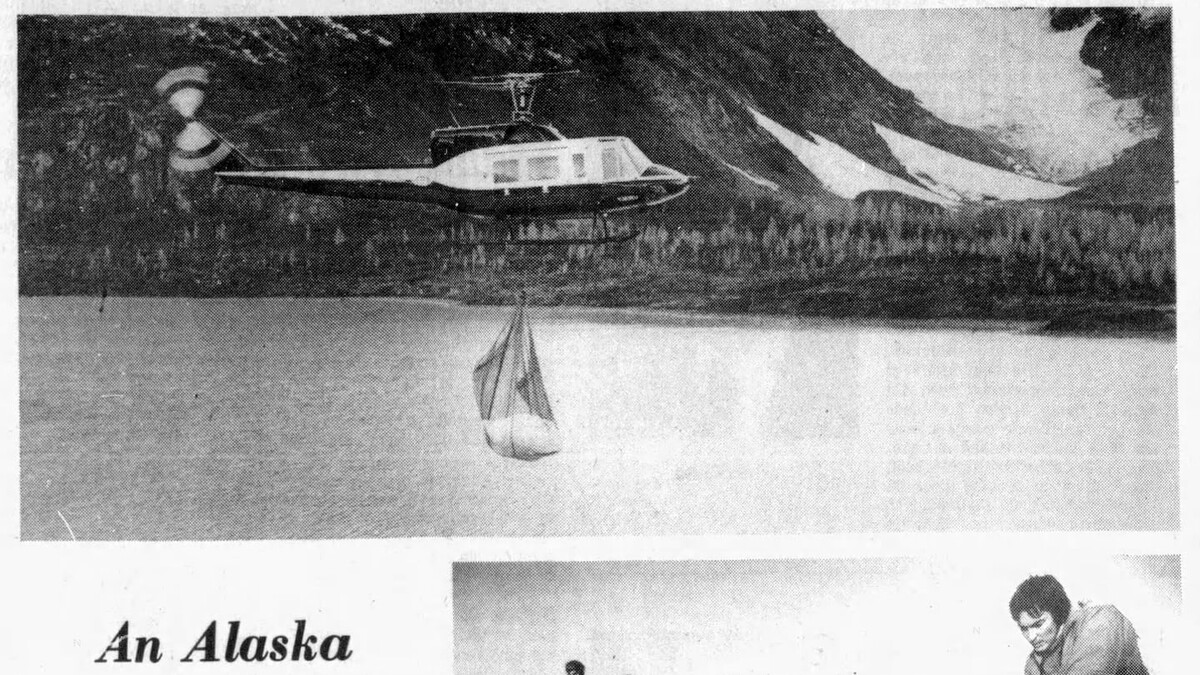
In October 1977, a block of ancient ice was hauled from the Portage Glacier near Anchorage, Alaska, to Ames, Iowa, for the first International Conference on Iceberg Utilization. Organized with support from Prince Mohammed Al-Faisal, the event drew scientists from 18 countries to discuss the feasibility of towing icebergs from Antarctica to arid regions.
Find Original, High-end Home Decor that spark conversation at Grand Goldman Shop.

The ice, weighing approximately 1.1 tons (though some reports say two tons), required divers, a helicopter, a plane, and a refrigerated truck to move. Its arrival in landlocked Iowa was meant to symbolize the potential of icebergs as a freshwater resource.
Why Towing Icebergs Seemed Like a Good Idea
The 1970s saw growing concerns about water scarcity, especially in the Middle East. Prince Mohammed Al-Faisal, a forward-thinking royal, believed that icebergs could be harvested and towed to provide fresh water. The conference aimed to explore the scientific and logistical challenges of such a scheme.
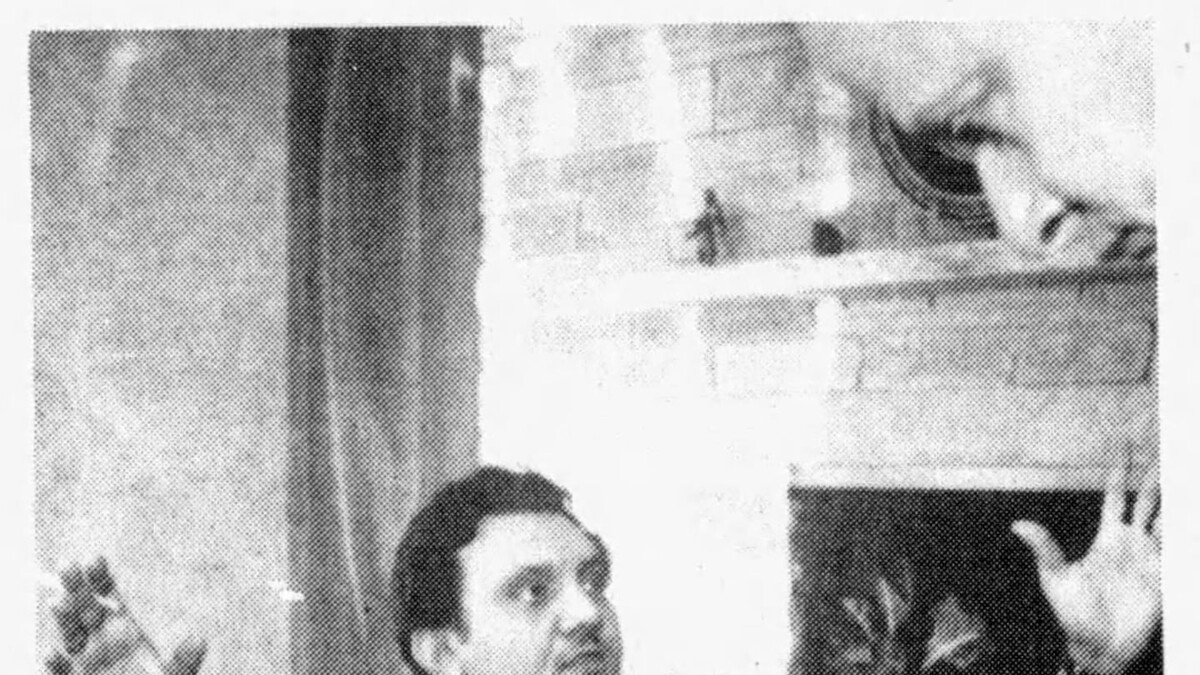
Researchers discussed topics like iceberg stability during transport, melting rates, and the economics of long-distance towing. The idea captured the imagination of many, but practical hurdles loomed large.
The Grand Experiment That Fell Short
Despite the enthusiasm, the iceberg never made it to Saudi Arabia. The small block that reached Iowa was a mere symbol, and the full-scale operation remained theoretical. The conference ended with a mix of optimism and skepticism.
As the story goes, the ice was eventually used to cool drinks at a reception—a humorous twist that underscored the gap between ambition and reality. The prince's dream of towing icebergs to the desert never materialized, but the 1977 conference left a legacy of debate about geoengineering and water solutions. The background to this story is set out in Water Scarcity in Rainy Climates: A Growing Crisis. A related thread runs through UK Water Crisis Threatens Datacentre Growth Plans.
Key Takeaways from the Iceberg Experiment
- The 1977 conference demonstrated the complexity of towing icebergs for water supply.
- Political will and funding were insufficient to overcome logistical challenges.
- The experiment highlighted the importance of realistic feasibility studies.
- It sparked discussions on alternative water solutions that continue today.
- The cocktail incident became a cautionary tale about hype versus practical application.
Comparing Iceberg Towing Proposals
| Aspect | 1977 Proposal | Modern Assessments |
|---|---|---|
| Source of Iceberg | Antarctica | Antarctica |
| Destination | Middle East | Middle East, Australia, South Africa |
| Estimated Cost | Not fully assessed | Billions of dollars |
| Main Challenge | Transport and melting | Transport, melting, environmental impact |
| Outcome | Symbolic demonstration | Still theoretical |
What This Means for Today's Water Crisis
The 1977 iceberg experiment may seem like a quirky footnote in history, but it reflects a persistent human desire for bold solutions to water scarcity. As climate change exacerbates droughts, such ideas are being revisited with more rigorous analysis. Earlier coverage in Colorado River Crisis: US Unveils Water Cuts Plan shows how the argument developed. A closer look at the same subject appears in Thames Water Crisis: UK Water Sector Reform Stalls.
However, the lesson is clear: grand technological fixes require not just imagination but also economic and environmental feasibility. The Saudi prince's attempt, while unsuccessful, paved the way for ongoing research into unconventional water sources. Anyone following the wider picture can start with London Flats Water Crisis: Hundreds Without Running Water.
FAQ
What was the 1977 iceberg experiment?
It was an attempt by Prince Mohammed Al-Faisal to demonstrate the feasibility of towing icebergs from Alaska to water-scarce regions. A small iceberg was transported to Iowa for a conference, but the full-scale plan never materialized.
Why did the iceberg end up in cocktails?
The iceberg was meant to be a symbol of potential, but after the conference, it was reportedly used to chill drinks at a reception, highlighting the gap between the grand vision and practical outcomes.
Could iceberg towing solve water shortages today?
While technically possible, the costs and environmental impacts remain prohibitive. Modern assessments suggest it is not yet a viable solution for large-scale water supply.
What happened to Prince Mohammed Al-Faisal's idea?
The idea was never realized. The conference raised awareness but failed to secure the necessary support. However, it inspired further research into unconventional water sources.
The 1977 iceberg saga is a reminder that solving water crises requires more than just bold ideas. For a deeper look at how political tensions can impact resource management, see our coverage of the São Tomé and Príncipe presidential election: tensions rise. Such instability often hinders long-term infrastructure projects.
Similarly, the tense vote in Africa underscores how governance challenges can divert attention from pressing environmental issues. Without stable leadership, even the most promising water initiatives may falter.
As we reflect on the iceberg experiment, it's worth considering how democratic processes shape resource allocation. The prince's dream may have been ahead of its time, but today's leaders face similar choices about investing in innovative solutions.
Ultimately, the story of the iceberg that became a cocktail chiller is both a cautionary tale and an inspiration. It reminds us that while grand visions can capture headlines, sustainable water management requires careful planning, collaboration, and a touch of humility.
Browse the Shop
 Acacia frida deluxe solid wood bed frame |
Bedroom bench |
Bed chest drawers |
Lingerie dresser |
Frame base |
Mirror with jewelry storage |
30 Bathroom Vanity |
Memory foam queen mattress |
Mattresses for back pain |
Nightstand set of 2 |
Grand Goldman Shop |
Civil Lawyer
Deutschland Trikot WM 2026
Acacia frida deluxe solid wood bed frame |
Bedroom bench |
Bed chest drawers |
Lingerie dresser |
Frame base |
Mirror with jewelry storage |
30 Bathroom Vanity |
Memory foam queen mattress |
Mattresses for back pain |
Nightstand set of 2 |
Grand Goldman Shop |
Civil Lawyer
Deutschland Trikot WM 2026










