

Climate change should be recognized and treated as a global health emergency, according to the latest Lancet Countdown report. The tenth annual report, published in The Lancet and coordinated by University College London with the World Health Organization, warns that health damages from global warming are accelerating.
The report brings together 146 researchers from over 100 institutions and 30 countries, analyzing 54 indicators on climate and health. Their conclusion: a decade after the Paris Agreement took effect, many health harms are advancing faster than in the previous decade.
Find Original Home Decor sparking conversation at Grand Goldman Shop.

What the Lancet Countdown Report Found
The Lancet Countdown is an international collaboration that has tracked the links between climate change and public health for ten years. This year's report focuses on the accelerating pace of health impacts, from heatwaves to infectious diseases.
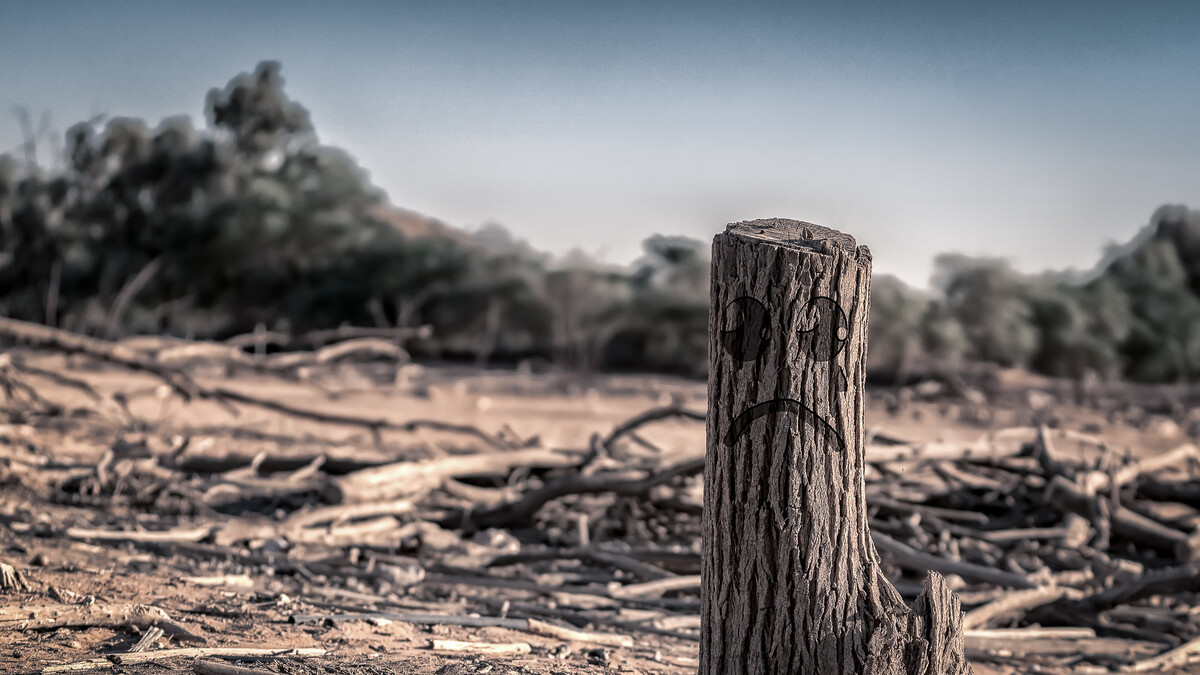
Marina Romanello, the project's executive director, called for climate change to be "recognized and treated as a global health emergency to guarantee our survival." She urged a new WHO instrument to coordinate the response.
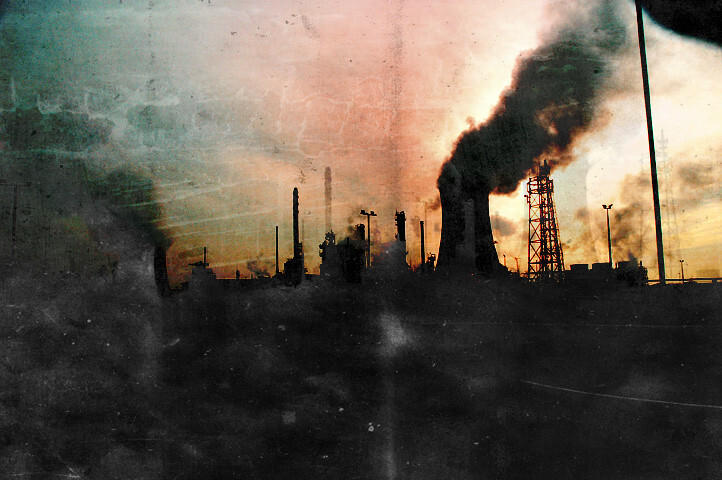
It is not a formally declared emergency, but a formal request from researchers who see the threat as insufficiently addressed. The report's authors argue that the scale of the health risks demands extraordinary action.
Why Health Impacts Are Accelerating
The report notes that many indicators of climate-related health harm are rising faster now than in the previous decade. This acceleration is what makes the situation especially alarming to scientists.
As global temperatures rise, extreme weather events become more frequent and intense. These events directly affect human health through heat stress, injuries, and the spread of diseases.
At the same time, health systems are often unprepared for these new challenges. The report calls for a coordinated international response to protect populations.
Key Takeaways from the Report
- The Lancet Countdown report is the tenth annual assessment of climate and health indicators.
- 146 researchers from over 100 institutions contributed to the analysis.
- Many health damages from climate change are accelerating compared to the previous decade.
- Scientists are calling for climate change to be treated as a global health emergency.
- A new WHO mechanism is proposed to coordinate the international response.
What a Health Emergency Declaration Would Mean
Declaring a global health emergency would elevate climate change to the same level of urgency as other major health crises. It could unlock new funding and coordination mechanisms.
The researchers propose a new instrument at the WHO to coordinate the response. This would help countries share resources and implement effective measures.
However, such a declaration would require political will from member states. The report is a call to action, not a binding decision.
Comparison of Climate Health Indicators
The table below summarizes some of the key indicators tracked by the Lancet Countdown and their observed trends.
| Indicator | Trend | Health Impact |
|---|---|---|
| Heatwave exposure | Increasing | Heat stress, cardiovascular strain |
| Infectious disease spread | Expanding | Malaria, dengue, other vector-borne diseases |
| Extreme weather events | More frequent | Injuries, displacement, mental health |
| Air quality | Worsening in some regions | Respiratory and cardiovascular diseases |
Who Is Affected and What to Watch Next
The health impacts of climate change affect everyone, but vulnerable populations are hit hardest. Low-income communities, the elderly, and those with pre-existing conditions face greater risks. The background to this story is set out in Climate Emergency in Spain: A Decade on the Iberian Frontline. A related thread runs through Climate Emergency in Spain: A Decade of Unmistakable Change. Earlier coverage in Climate Change Kills: Spain's Sánchez Warns of Crisis shows how the argument developed.
What to watch next: whether the WHO takes up the call for a new instrument, and how countries incorporate health into their climate policies. The report's authors hope it will spur urgent action. A closer look at the same subject appears in Climate Change Rhyme: Rising Temperatures & Emission Urgency. Anyone following the wider picture can start with Climate Change Rhyme: Rising Temperatures and Emission Cuts. The same theme surfaces in Climate Change and Geological Disasters: The Cryosphere Warning, which takes a different angle.
As the world continues to grapple with the effects of global warming, the link between climate and health is becoming impossible to ignore. The Lancet Countdown's findings add urgency to the debate. Context on how this played out before sits in Great Barrier Reef Recovery Doesn't Disprove Climate Change. A companion piece, Climate Emergency in Spain: Europe's Fastest-Heating Frontline, approaches the same subject from another angle.
FAQ
What is the Lancet Countdown report?
The Lancet Countdown is an annual report that tracks the connections between climate change and public health. It is produced by a collaboration of researchers and published in The Lancet.
Why are scientists calling for a global health emergency?
Because many health damages from climate change are accelerating, and current responses are seen as insufficient. The researchers argue that only emergency-level action can address the scale of the threat.
What would a WHO instrument do?
It would provide a coordinated framework for countries to respond to the health impacts of climate change. This could include sharing resources, setting standards, and monitoring progress.
Is this emergency already declared?
No, it is a formal request from the researchers. The report calls on the WHO and governments to take action, but no emergency has been officially declared.
Browse the Shop
 Acacia frida deluxe solid wood bed frame |
Bedroom bench |
Bed chest drawers |
Lingerie dresser |
Frame base |
Mirror with jewelry storage |
30 Bathroom Vanity |
Memory foam queen mattress |
Mattresses for back pain |
Nightstand set of 2 |
Grand Goldman Shop |
Civil Lawyer
Deutschland Trikot WM 2026







