

Singapore tap water stands out as a global model of potable water innovation, especially in a region where travelers are often advised to drink only bottled water. While many Asian countries require caution, Singapore has engineered a system so reliable that hotels encourage guests to drink straight from the tap.
This achievement is no accident. It results from decades of strategic planning, advanced technology, and robust public policy. In this article, we explore how Singapore transformed its water vulnerability into a story of national pride and what other nations can learn from its approach.
Find Original Home Decor sparking conversation at Grand Goldman Shop.

The Challenge: A Water-Stressed Island
Singapore is a small, densely populated island with limited land and no major rivers or aquifers. Despite abundant rainfall, the country lacks the natural storage to capture and retain water. For decades, it relied heavily on imported water from Malaysia, making it vulnerable to supply disruptions and political pressure.
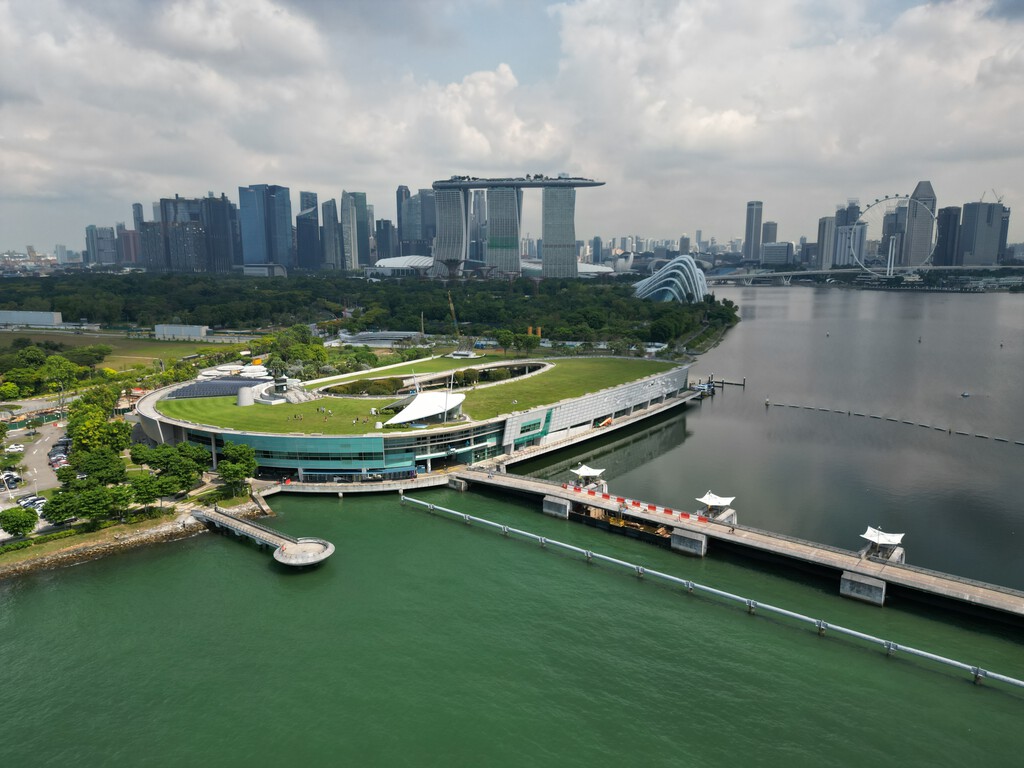
Recognizing the need for self-sufficiency, Singapore's government embarked on a mission to secure its water future. The goal was not just to survive but to thrive by turning a weakness into a strength.
The Four National Taps: A Diversified Strategy
At the heart of Singapore's water success is the Four National Taps strategy, introduced in 2001 by the Public Utilities Board (PUB). This integrated approach manages the entire water cycle, from rainfall to used water, ensuring a sustainable and resilient supply.
- Local catchment water: Rainwater collected from reservoirs and urban areas.
- Imported water: Long-term agreements with Malaysia, though dependence is decreasing.
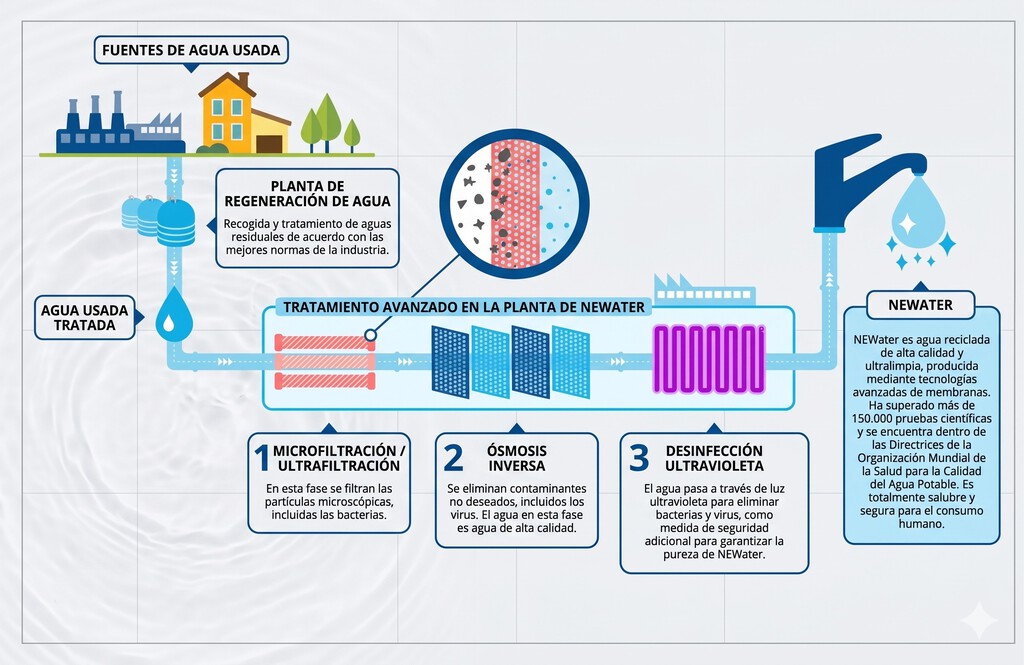
- NEWater: High-grade reclaimed water purified using advanced membrane technologies.
- Desalinated water: Seawater treated to remove salt and impurities.
Each source plays a critical role, and together they create a robust and flexible system that can withstand droughts and disruptions.
Advanced Purification: The Science Behind Safe Tap Water
Singapore's tap water meets and exceeds World Health Organization standards. The purification process involves multiple stages, including coagulation, sedimentation, filtration, and disinfection. For NEWater, additional steps like reverse osmosis and ultraviolet disinfection ensure the highest quality.
The PUB monitors water quality continuously with sensors and laboratory tests, ensuring that any issue is detected and addressed immediately. This rigorous oversight is why Singaporeans trust their tap water.
Public Policy and Education: Building Trust
Beyond technology, Singapore's success relies on strong governance and public engagement. The PUB has unified the management of water supply, sanitation, and stormwater, eliminating bureaucratic hurdles. Public campaigns encourage water conservation and educate citizens about the safety of tap water.
Hotels and businesses reflect this trust by providing reusable bottles and promoting tap water consumption, reducing plastic waste and reinforcing the message that Singapore's water is among the best in the world.
Comparison: Singapore vs. Other Asian Countries
Travelers often wonder why Singapore's tap water is safe while other Asian destinations require bottled water. The table below highlights key differences in water management and safety. Context on how this played out before sits in Singapore Tap Water: A Model of Potable Water Innovation.
| Country | Tap Water Safety | Main Water Sources | Treatment Level |
|---|---|---|---|
| Singapore | Safe to drink | Local catchment, imported, NEWater, desalination | Advanced (membrane, UV, etc.) |
| Thailand | Not recommended | Surface water, groundwater | Basic to moderate |
| Vietnam | Not recommended | Surface water, groundwater | Basic |
| China | Not recommended | Rivers, groundwater | Variable |
| India | Not recommended | Groundwater, surface water | Basic |
While many countries face challenges in infrastructure and regulation, Singapore's integrated approach sets it apart. The background to this story is set out in Norway Town's Tap Water Contaminated by Thawing Permafrost. A related thread runs through Do You Need to Filter US Tap Water? Safety Guide for Elderly.
What Travelers Should Know
For visitors, Singapore's tap water is completely safe for drinking, brushing teeth, and even making ice. Hotels often provide reusable bottles, and water fountains are available in public spaces. This eliminates the need for single-use plastics and makes travel more sustainable. Earlier coverage in How to Make a Floating Tap Water Fountain shows how the argument developed. A closer look at the same subject appears in Thames Water Creditors Tap Lord Hutton to Chair Rescue Deal.
However, it's always wise to stay hydrated, especially in the tropical climate. Don't hesitate to refill your bottle from the tap—it's a point of pride for the nation. Anyone following the wider picture can start with South West Water Owner Pennon Taps Investors for Sewage Spills Fix. The same theme surfaces in Energy Utilities: latest articles, which takes a different angle.
FAQ
Is tap water in Singapore safe to drink?
Yes, Singapore's tap water is safe to drink and meets stringent international standards. The Public Utilities Board ensures continuous monitoring and advanced treatment.
Why does Singapore have such high-quality tap water?
Singapore invests heavily in a diversified water supply strategy called the Four National Taps, including advanced purification technologies like NEWater and desalination, along with robust governance.
Can I brush my teeth with tap water in Singapore?
Absolutely. The tap water is potable and safe for all domestic uses, including brushing teeth and washing food.
Do hotels in Singapore provide bottled water?
Many hotels encourage guests to drink tap water and provide reusable bottles instead of single-use plastic. This reflects the country's commitment to sustainability.
Singapore's water story is a testament to what can be achieved with vision, innovation, and political will. As climate change and population growth strain water resources worldwide, Singapore offers a blueprint for others to follow.
Browse the Shop
 Acacia frida deluxe solid wood bed frame |
Bedroom bench |
Bed chest drawers |
Lingerie dresser |
Frame base |
Mirror with jewelry storage |
30 Bathroom Vanity |
Memory foam queen mattress |
Mattresses for back pain |
Nightstand set of 2 |
Grand Goldman Shop |
Civil Lawyer
Deutschland Trikot WM 2026







