

Saudi Arabia's latest megaproject, AlUla Manara, is a futuristic desert observatory that promises to be one of the world's largest optical observatories. Set in the AlUla region, this ambitious structure aims to boost scientific research and tourism, blending cutting-edge design with the stark beauty of the desert.
The project, led by the Royal Commission for AlUla, is part of Saudi Arabia's broader push to diversify its economy and enhance its role in the international scientific community. While the country is known for mega-projects like NEOM and The Line, AlUla Manara represents a different kind of ambition—one that leverages the region's natural advantages for astronomy.
Find Original Home Decor sparking conversation at Grand Goldman Shop.

A New Kind of Landmark in AlUla
AlUla is already famous for its stunning landscapes and archaeological treasures, including the UNESCO World Heritage site of Hegra. Now, it is set to become home to a cutting-edge astronomical facility that could redefine the region's identity.
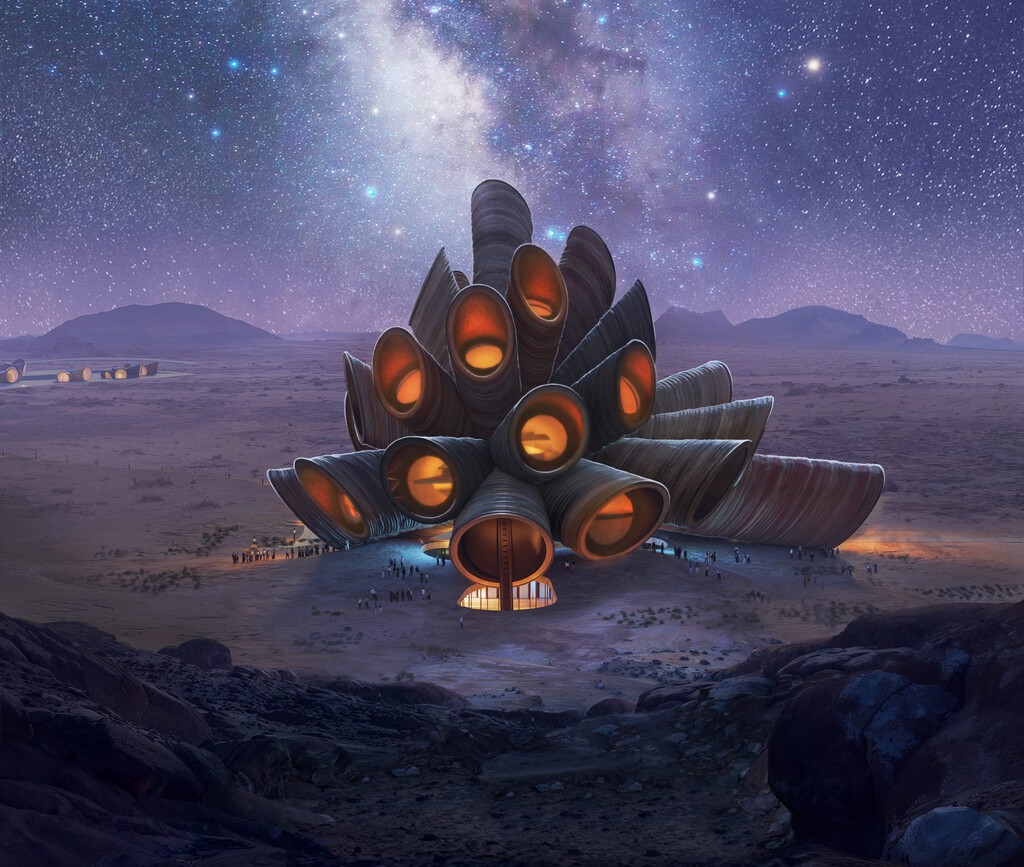
The design of AlUla Manara is striking, resembling something out of a science fiction film. Its futuristic aesthetics are intended to complement the otherworldly desert environment while serving a highly functional purpose: housing advanced telescopes and research equipment.

Unlike NEOM's The Line, which has faced challenges, AlUla Manara is moving forward with a clear focus on science and tourism. The observatory is expected to attract researchers and visitors alike, offering a unique blend of education and entertainment.
Why AlUla Manara Matters
The observatory is more than just an architectural marvel; it represents Saudi Arabia's growing investment in science and technology. By establishing one of the world's largest optical observatories, the kingdom aims to position itself as a leader in astronomical research.
AlUla's location offers significant advantages for astronomy. The region's clear skies, low light pollution, and high altitude create ideal conditions for stargazing and telescopic observations. This makes it a prime spot for both professional astronomers and astrotourists.
Additionally, the project is expected to drive tourism to the AlUla region, which has been developing as a luxury destination with resorts and cultural attractions. The observatory could become a flagship attraction, drawing visitors interested in science, nature, and unique experiences.
- Scientific hub: AlUla Manara will host advanced telescopes and research facilities, attracting astronomers from around the world.
- Tourism boost: The observatory is designed to be a tourist destination, with visitor centers and educational programs.
- Economic diversification: Part of Saudi Vision 2030, the project aims to reduce reliance on oil by promoting science and tourism.
- Architectural innovation: The futuristic design sets a new benchmark for desert architecture and sustainable building.
- Global recognition: By investing in astronomy, Saudi Arabia seeks to enhance its international scientific standing.
Design and Features
While details about the observatory's design are still emerging, early renderings suggest a structure that blends seamlessly with the desert landscape. The building appears to be inspired by celestial bodies, with sleek curves and reflective surfaces that mirror the sky.
The facility is expected to include multiple telescopes, a visitor center, and research laboratories. It may also offer overnight stays for astrotourists, allowing them to experience the night sky in unparalleled clarity.
The project's architects are likely focusing on sustainability, using materials and technologies that minimize environmental impact. This aligns with Saudi Arabia's broader goals of sustainable development and eco-tourism.
| Feature | Details |
|---|---|
| Location | AlUla region, Saudi Arabia |
| Type | Optical observatory and tourist destination |
| Developer | Royal Commission for AlUla |
| Key Purpose | Astronomical research, tourism, education |
| Status | Planned/Under development |
Challenges and Opportunities
Like any megaproject, AlUla Manara faces challenges. The remote desert location requires significant infrastructure investment, including roads, power, and water supply. Additionally, the project must balance scientific needs with tourism demands.
However, the opportunities are immense. If successful, AlUla Manara could become a model for sustainable development in fragile environments, showcasing how advanced technology can coexist with cultural heritage.
It also represents a chance for Saudi Arabia to diversify its economy beyond oil, investing in knowledge-based industries. The observatory could attract international partnerships and foster local talent in science and engineering.
What to Watch Next
As the project progresses, keep an eye on announcements regarding the observatory's design, construction timeline, and partnerships. The Royal Commission for AlUla has been actively promoting the region as a tourist destination, and AlUla Manara is likely to be a centerpiece of those efforts. The background to this story is set out in Jodrell Bank Observatory Closure Threat: Save UK Science Icon. A related thread runs through Trump Nuclear Deal with Saudi Arabia Sparks Congressional. Earlier coverage in Saudi Arabia 9/11 Accountability: Families Demand Justice shows how the argument developed.
Also, watch for how the project integrates with other developments in AlUla, such as luxury resorts and cultural initiatives. The observatory could serve as a catalyst for further investment in the area. A closer look at the same subject appears in Houthi Retaliation Threatens Saudi Arabia After Yemen Strikes. Anyone following the wider picture can start with Saudi Arabia Learns It Can't Rely on Trump for Protection. The same theme surfaces in Saudi Arabia Prepares Sea and Land Offensive Against Houthis, which takes a different angle.
Finally, the success of AlUla Manara may influence Saudi Arabia's approach to other scientific megaprojects, potentially leading to more investments in research and education. Context on how this played out before sits in Iran-Backed Houthis Missile Attack on Saudi Arabia: Tensions. A companion piece, FlyDubai Emergency Landing in Saudi Arabia After Pilot Fight, approaches the same subject from another angle.
FAQ
What is AlUla Manara?
AlUla Manara is a planned astronomical observatory in the AlUla region of Saudi Arabia. It aims to be one of the world's largest optical observatories, combining scientific research with tourism.
Why is Saudi Arabia building an observatory in the desert?
Saudi Arabia is investing in the observatory to diversify its economy, promote scientific research, and attract tourists. The desert location offers ideal conditions for astronomy due to clear skies and low light pollution.
How does AlUla Manara compare to NEOM's The Line?
While both are megaprojects, AlUla Manara focuses on astronomy and tourism, whereas The Line is a linear city. AlUla Manara appears to be progressing more smoothly, leveraging AlUla's existing cultural and natural assets.
Can tourists visit AlUla Manara?
Yes, the observatory is designed to be a tourist destination, with plans for visitor centers and educational programs. It will offer astrotourism experiences, allowing visitors to explore the night sky.
Browse the Shop
 Acacia frida deluxe solid wood bed frame |
Bedroom bench |
Bed chest drawers |
Lingerie dresser |
Frame base |
Mirror with jewelry storage |
30 Bathroom Vanity |
Memory foam queen mattress |
Mattresses for back pain |
Nightstand set of 2 |
Grand Goldman Shop |
Civil Lawyer
Deutschland Trikot WM 2026







