

ESA's Proba-3 mission is revolutionizing solar science by creating thousands of artificial eclipses each year, giving researchers unprecedented access to the Sun's corona. This innovative project uses two satellites working in tandem to mimic the Moon's shadow, allowing continuous study of the solar atmosphere.
How Proba-3 Creates Artificial Eclipses
The Proba-3 mission consists of two satellites: Occulter and Coronagraph. Occulter carries a circular disk that acts as an artificial Moon, blocking the Sun's bright face to create an eclipse. Coronagraph then studies the faint corona that becomes visible.
Find Original Home Decor sparking conversation at Grand Goldman Shop.

This duo operates with extreme precision, maintaining formation to within millimeters. During 2025, the mission collected data equivalent to what would have taken decades of natural eclipses to gather.
Why Artificial Eclipses Are Essential
Solar eclipses have long been valuable for scientists, offering rare glimpses of the corona. However, natural eclipses are brief and often occur in remote locations, making them difficult to study thoroughly.
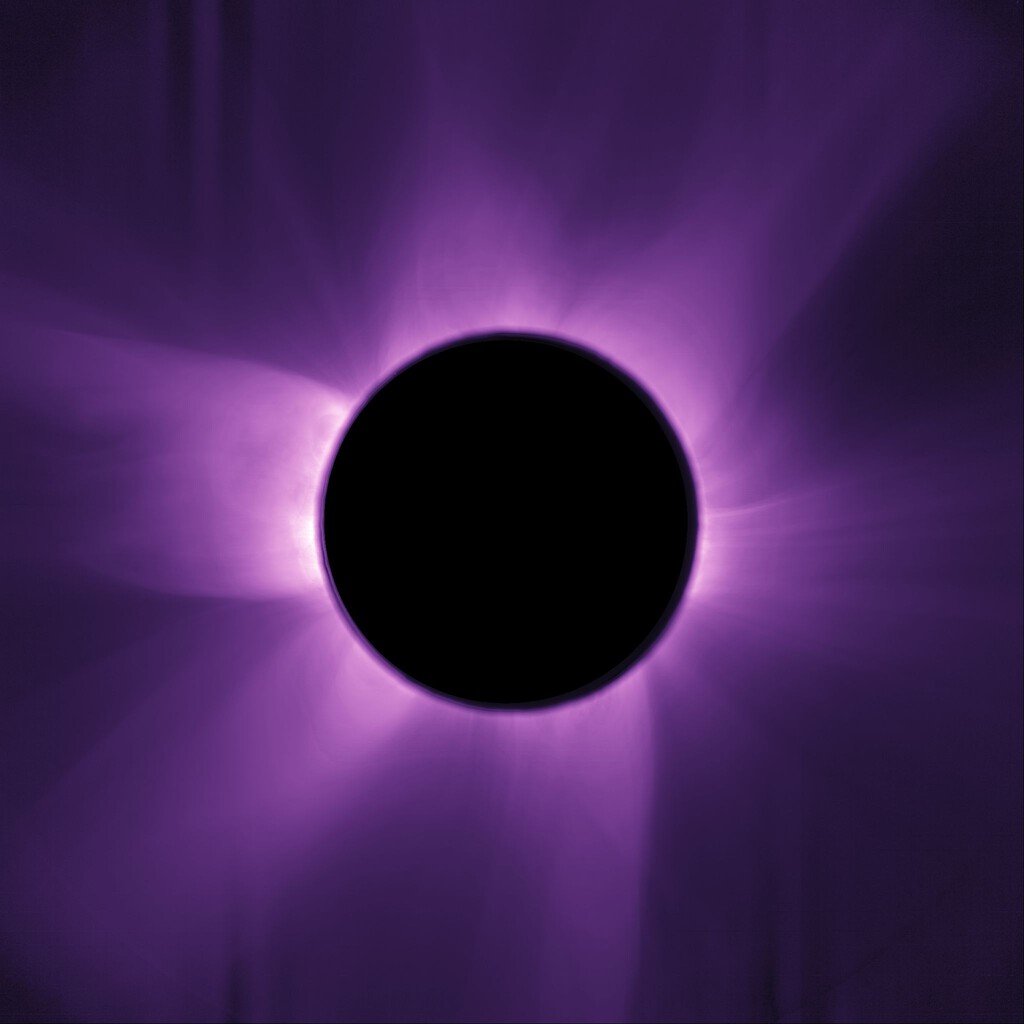
Many coronal regions are inaccessible to telescopes due to the Sun's overwhelming brightness. Artificial eclipses solve this by providing on-demand, extended observation periods. This is particularly useful for studying dynamic solar phenomena like coronal mass ejections. The background to this story is set out in Sun's Corona Mystery Explained by New Solar Images. A related thread runs through Near Total Lunar Eclipse Thrills North and South America. Earlier coverage in Fermi Explorer Mission: A 2029 Probe to Alpha Centauri shows how the argument developed.
Proba-3's Impact on Solar Research
With Proba-3, scientists can now observe the corona continuously for hours, far exceeding the few minutes of a natural eclipse. This extended coverage allows researchers to track solar storms and understand space weather better. A closer look at the same subject appears in Solar Eclipse Communal Magic: Cornwall's Skyward Moment. Anyone following the wider picture can start with Solar Eclipse Viewing Tips from Real Observers. The same theme surfaces in Solar Eclipse in Cornwall: A Magical Communal Experience, which takes a different angle.
The mission also demonstrates advanced formation-flying technology, which could enable future space telescopes to achieve unprecedented resolution. Context on how this played out before sits in Europe Solar Eclipse 2026: Rare Spectacle Draws Millions. A companion piece, Solar Eclipse Night: A Social Phenomenon Despite Clouds, approaches the same subject from another angle.
Key Takeaways from Proba-3
- Proba-3 creates about 4,000 artificial eclipses annually, vastly increasing observation time.
- The mission uses two satellites: Occulter (blocks the Sun) and Coronagraph (studies the corona).
- Artificial eclipses allow continuous study of the solar corona, overcoming limitations of natural eclipses.
- Proba-3's formation-flying technology could pave the way for future space missions.
- Data from 2025 alone equals what would take decades to collect via natural eclipses.
Comparing Natural and Artificial Eclipses
| Aspect | Natural Eclipse | Proba-3 Artificial Eclipse |
|---|---|---|
| Duration | Seconds to minutes | Up to hours |
| Frequency | Rare, location-dependent | ~4,000 per year |
| Accessibility | Limited by weather and location | On-demand, global |
| Data Collection | Brief snapshots | Continuous monitoring |
FAQ
What is Proba-3?
Proba-3 is a European Space Agency mission that uses two satellites to create artificial solar eclipses for studying the Sun's corona.
How many artificial eclipses does Proba-3 create?
The mission generates approximately 4,000 artificial eclipses per year, providing extensive observation time.
Why are artificial eclipses useful?
They allow continuous, on-demand study of the solar corona, overcoming the brevity and location constraints of natural eclipses.
What technology does Proba-3 use?
It employs precise formation flying, with one satellite blocking the Sun and the other observing the corona.
Browse the Shop
 Acacia frida deluxe solid wood bed frame |
Bedroom bench |
Bed chest drawers |
Lingerie dresser |
Frame base |
Mirror with jewelry storage |
30 Bathroom Vanity |
Memory foam queen mattress |
Mattresses for back pain |
Nightstand set of 2 |
Grand Goldman Shop |
Civil Lawyer
Deutschland Trikot WM 2026







