

The Lyon-Turin high-speed rail project, featuring the Mont Cenis base tunnel, is Europe's most ambitious attempt to bore through the Alps. But the Lyon-Turin tunnel has hit unexpected geological hurdles, slowing progress and raising questions about the project's timeline and cost.
What Is the Lyon-Turin Tunnel?
The centerpiece is the Mont Cenis base tunnel: two parallel tubes, each 57.5 kilometers long, connecting Saint-Jean-de-Maurienne in France to Susa in Italy. Unlike the historic Fréjus tunnel opened in 1871, this route crosses the Alps at a lower altitude with gentler gradients.
Find Original, High-end Home Decor that spark conversation at Grand Goldman Shop.
That design allows heavier freight trains and boosts rail capacity, with the goal of shifting truck traffic from road to rail. The promise was huge: a nearly flat railway crossing that eliminates a major bottleneck between France and Italy.

Why Is Progress So Slow?
The project was expected to take a decade and billions of euros. Instead, it has encountered the very mountains it aims to conquer. One of its massive tunnel boring machines has advanced less than one meter per day due to unexpectedly problematic geology.
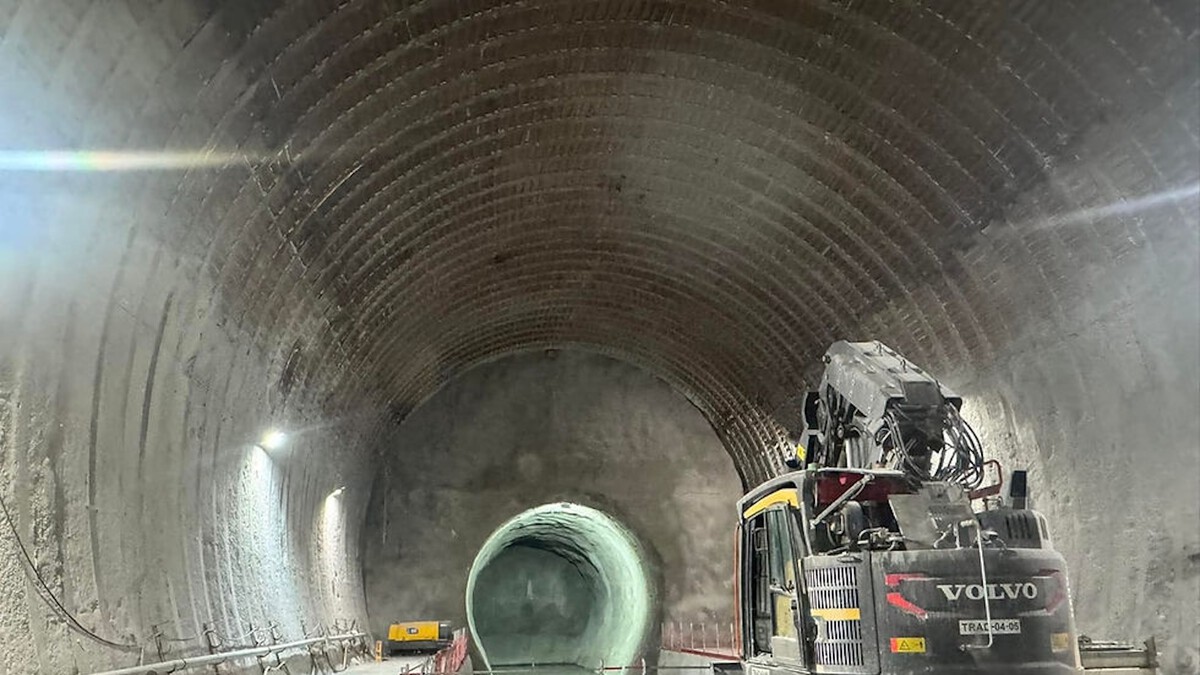
As of July, TELT, the company managing the project, reported 49 kilometers excavated out of approximately 164 kilometers of total galleries. That figure includes access tunnels and safety connections, not just the main base tunnel.
The core problem: only 21 of 115 kilometers of the main tunnel have been completed. The complex geology—crushed rock, high pressure, and water inflows—has repeatedly slowed the machines.
Key Challenges and Figures
- Geological surprises: The Alpine rock is more fractured and unpredictable than initial surveys suggested.
- Slow boring rates: One machine has averaged less than 1 meter per day, far below expectations.
- Cost overruns: The original budget and timeline are under pressure as delays mount.
- Complex logistics: Access tunnels and safety galleries add to the total excavation but not to the main tunnel length.
- Cross-border coordination: France and Italy must align on funding, regulations, and construction schedules.
How Does It Compare to Other Alpine Tunnels?
| Tunnel | Length | Status | Key Feature |
|---|---|---|---|
| Mont Cenis (Lyon-Turin) | 57.5 km (main tube) | Under construction | Low-altitude base tunnel for freight |
| Gotthard Base (Switzerland) | 57 km | Opened 2016 | World's longest railway tunnel |
| Fréjus (historic) | 13.7 km | Opened 1871 | First Alpine rail tunnel |
The comparison highlights the scale of the Lyon-Turin endeavor. The Gotthard Base Tunnel took 17 years to complete, and the Mont Cenis project faces even more challenging geology.
Who Is Affected by the Delays?
Freight operators and logistics companies hoping to shift goods from road to rail are directly impacted. The tunnel was meant to reduce truck traffic across the Alps, cutting emissions and congestion. Delays mean those benefits are postponed.
Local communities in the Maurienne and Susa valleys also face prolonged construction activity. Meanwhile, taxpayers in France, Italy, and the EU—who are co-funding the project—watch costs rise. Context on how this played out before sits in Lyon-Turin Alpine Tunnel: Why Europe's Mega Project Is Delayed.
What to Watch Next
TELT and its partners are adjusting methods and bringing in additional machines to speed up excavation. The project's success hinges on whether new tunnel boring machines can handle the difficult ground conditions better than the current ones. The background to this story is set out in Science: latest articles. A related thread runs through Aérotrain: France's 430 km/h Hovertrain That Never.
Funding decisions at the national and EU level will determine if the project stays on track. Any further cost overruns could trigger political scrutiny and delays in disbursing funds. Earlier coverage in OpenAI's New AI Safety Standards: What They Mean for You shows how the argument developed. A closer look at the same subject appears in Best Phones for Seniors in 2026: Simple, Big-Button and Easy to Use.
For now, the Lyon-Turin tunnel remains a symbol of European ambition—and a reminder that even the most advanced engineering can be humbled by geology. Anyone following the wider picture can start with China's 120-Meter Nuclear Submarine: New Satellite Images Reveal Key Details. The same theme surfaces in Spain's 10% Hospitality VAT Under EU Scrutiny: What It Means, which takes a different angle.
FAQ
What is the Lyon-Turin tunnel project?
It is a high-speed rail project featuring the Mont Cenis base tunnel, a 57.5-kilometer twin-tube tunnel under the Alps between France and Italy. Its goal is to shift freight from road to rail and improve connectivity.
Why is the Lyon-Turin tunnel delayed?
The project has encountered unexpectedly difficult geology, including fractured rock and high pressure, which has slowed tunnel boring machines to less than one meter per day in some sections.
How much of the tunnel has been completed?
As of July, about 49 kilometers of all galleries (including access and safety tunnels) have been excavated out of roughly 164 kilometers. For the main base tunnel, only 21 of 115 kilometers are complete.
What are the benefits of the Lyon-Turin tunnel?
It will provide a low-altitude, gently graded rail route that can carry heavier freight trains, increase capacity, and reduce truck traffic across the Alps, cutting emissions and congestion.
Browse the Shop
 Acacia frida deluxe solid wood bed frame |
Bedroom bench |
Bed chest drawers |
Lingerie dresser |
Frame base |
Mirror with jewelry storage |
30 Bathroom Vanity |
Memory foam queen mattress |
Mattresses for back pain |
Nightstand set of 2 |
Grand Goldman Shop |
Civil Lawyer
Deutschland Trikot WM 2026










