

Stephen Hawking's cosmic quote about the brevity of human existence is often shared as a standalone reflection on our insignificance in the universe. But in reality, it was exactly the opposite. The quote, which opens the controversial 2010 book The Grand Design co-authored with Leonard Mlodinow, sets up an extraordinary paradox about human curiosity and our place in the cosmos.
The Quote That Launched a Cosmic Paradox
The full quote reads: "Each one of us lives only a brief period of time, and only visits a tiny part of the universe." Taken alone, it seems to emphasize our insignificance. But within the book, it serves a much more ambitious purpose: to establish from the first line the gigantic disproportion between the physical limits of human beings and what we attempt to understand.
Find Original Home Decor sparking conversation at Grand Goldman Shop.

Hawking and Mlodinow used this reflection not to present humans as insignificant creatures doomed to disappear, but to introduce what allows us to partially overcome that limitation: our curiosity. We live very little, occupy a tiny fraction of space, and will never personally traverse the vast majority of the universe, but that hasn't stopped us from looking up and asking what's out there and how it works.
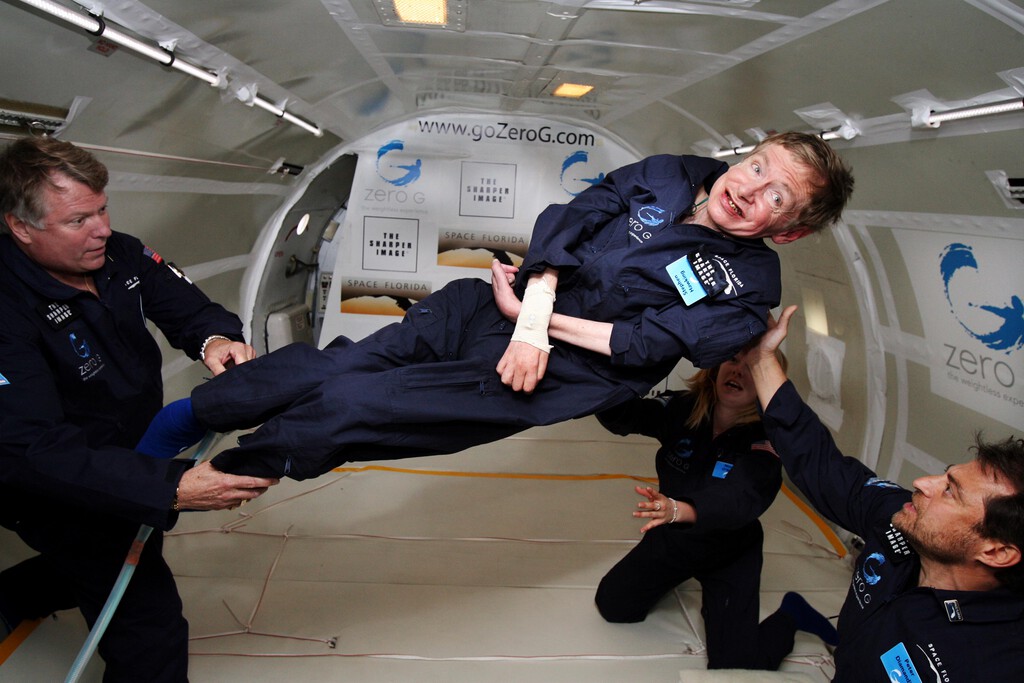
Why This Quote Matters More Than Ever
In an age of instant information and short attention spans, Hawking's words remind us of the value of deep curiosity. The quote has become one of those citations that circulate detached from context, often accompanied by stars and galaxies, but its original function was to frame a grand inquiry into the nature of reality.
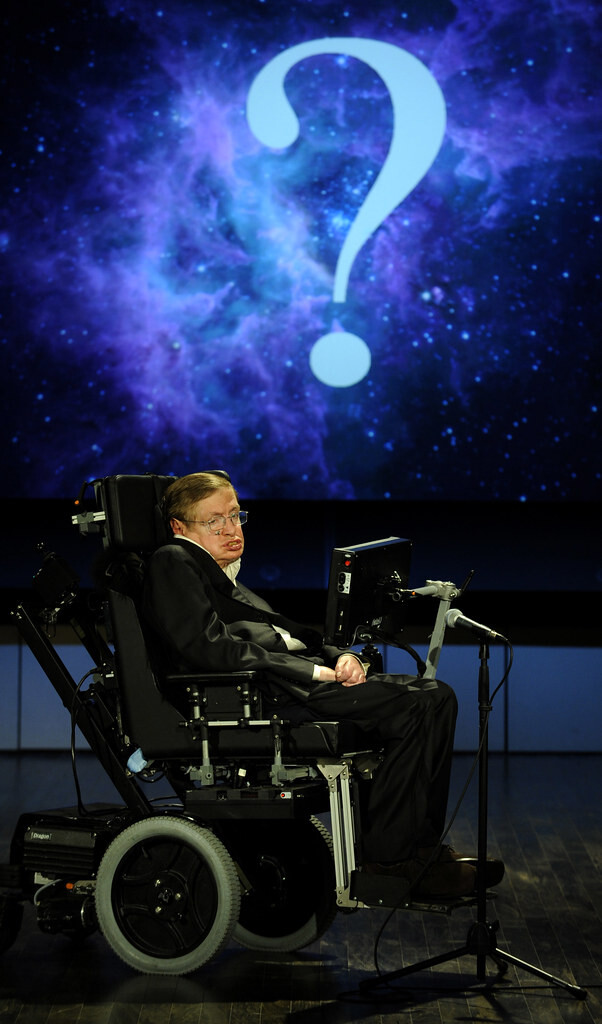
Hawking and Mlodinow were not nihilists; they were optimists about human potential. They argued that our curiosity is what drives science and progress. Despite our physical limitations, we have managed to understand much of the cosmos through theory and observation.
Key Takeaways from Hawking's Reflection
- Context matters: The quote is often misinterpreted when taken out of the book's opening.
- Curiosity overcomes limits: Our desire to understand the universe is what makes us significant.
- Science as a human endeavor: Hawking and Mlodinow highlight how scientific inquiry transcends our physical boundaries.
- The paradox of insignificance: We are small, but our questions are vast.
- Enduring relevance: The message resonates in today's fast-paced world, urging us to look up and wonder.
How the Quote Fits into The Grand Design
The Grand Design explores the origins of the universe and the laws of physics, arguing that the universe can be explained without invoking a creator. The opening quote sets the stage by contrasting our fleeting existence with the grandeur of the cosmos, then pivoting to the human capacity for understanding. Context on how this played out before sits in Stephen Hawking's Cosmic Quote: A Profound Reflection on Human Curiosity.
Hawking and Mlodinow go on to discuss M-theory, the multiverse, and the nature of reality. The quote is not a lament but a call to action: we may be small, but our minds can encompass the universe. The background to this story is set out in The Red Mouth: A Profound Exploration of Ireland's Deep Time. A related thread runs through Science: latest articles.
Comparing Interpretations of Hawking's Quote
| Interpretation | Focus | Implication |
|---|---|---|
| Literal | Human insignificance | We are tiny and short-lived |
| Contextual | Curiosity and science | We overcome limits through inquiry |
| Philosophical | Human potential | Our questions define us |
The Broader Impact of Hawking's Message
Hawking's ability to communicate complex ideas in accessible ways made him a beloved figure. This quote, like much of his work, bridges the gap between professional physics and public wonder. It encourages us to embrace our curiosity and not be discouraged by our smallness. Earlier coverage in Why Blackbird Song Calms You: The Science of Its Acoustic Recipe shows how the argument developed. A closer look at the same subject appears in Saturn's South Pole Reveals a Rare Decagonal Cloud Pattern.
In a world facing global challenges, from climate change to pandemics, the message is clear: our brief time is precious, and our curiosity is a powerful tool for progress. Anyone following the wider picture can start with Moon Formation Could Have Taken Just Hours, New Study Finds. The same theme surfaces in Science Valentines Puns: 225+ Nerdy Lines That Spark Laughter, which takes a different angle.
FAQ
What is the full quote by Stephen Hawking about human existence?
The full quote is: "Each one of us lives only a brief period of time, and only visits a tiny part of the universe." It opens the book The Grand Design and sets up a paradox about human curiosity.
Why did Hawking and Mlodinow use this quote to open their book?
They used it to highlight the contrast between our physical limitations and our boundless curiosity, which drives scientific inquiry and understanding of the cosmos.
Is the quote meant to be pessimistic?
No, it's actually optimistic. It emphasizes that despite our smallness, our curiosity allows us to comprehend the universe and overcome our limitations.
How does this quote reflect Hawking's views on science and humanity?
It reflects his belief that science is a human endeavor that transcends our physical boundaries, and that our curiosity is what makes us significant in the grand scheme.
Hawking's life and work continue to inspire. His biography, which exposes both his genius and his dark side, offers a fuller picture of the man behind the quotes. The Hawking biography exposes genius's dark side in a way that adds nuance to his public persona.
Understanding the context of Hawking's famous quote enriches our appreciation of his legacy. It's a reminder that even the most iconic statements gain depth when we explore their origins and the ideas they were meant to convey.
As we grapple with our own place in the universe, Hawking's words encourage us to keep looking up and asking questions. After all, it's our curiosity that makes our brief lives meaningful.
Browse the Shop
 Acacia frida deluxe solid wood bed frame |
Bedroom bench |
Bed chest drawers |
Lingerie dresser |
Frame base |
Mirror with jewelry storage |
30 Bathroom Vanity |
Memory foam queen mattress |
Mattresses for back pain |
Nightstand set of 2 |
Grand Goldman Shop |
Civil Lawyer
Deutschland Trikot WM 2026







