

Apple Watch Series 12 review reveals that the most significant upgrade is not on the screen or in Siri, but on the back of the watch. Apple's latest wearable maintains the familiar design but introduces a new sensor system that measures pulse every five seconds and heart rate variability every five minutes, enabling a recovery score called Disposition.
Design and Display: Same Look, Same Feel
The Series 12 keeps the same dimensions as its predecessor: 9.7mm thickness, identical buttons, and a 2,000-nit display. There are only three visible changes, none of which are on the front. This means if you were hoping for a redesign, you won't find it here.
Find Original, High-end Home Decor that spark conversation at Grand Goldman Shop.
However, the familiar form factor isn't necessarily a drawback. Apple has refined the experience over generations, and the Series 12 benefits from that maturity. The focus this year is clearly on what's inside, particularly the health sensors.
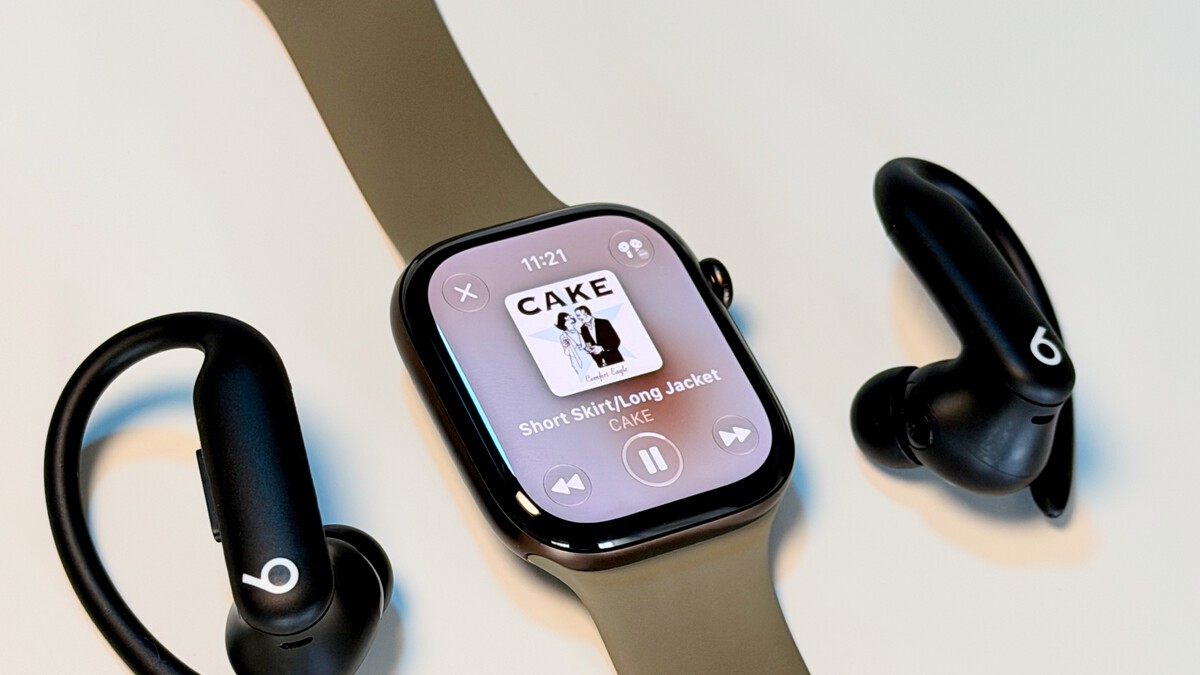
The Back Sensor Array: A Health Monitoring Leap
The new sensor system on the back of the watch is the star of the show. It continuously measures your pulse every five seconds throughout the day, even during movement, and tracks heart rate variability (HRV) every five minutes. This constant data stream powers Disposition, Apple's new recovery score.
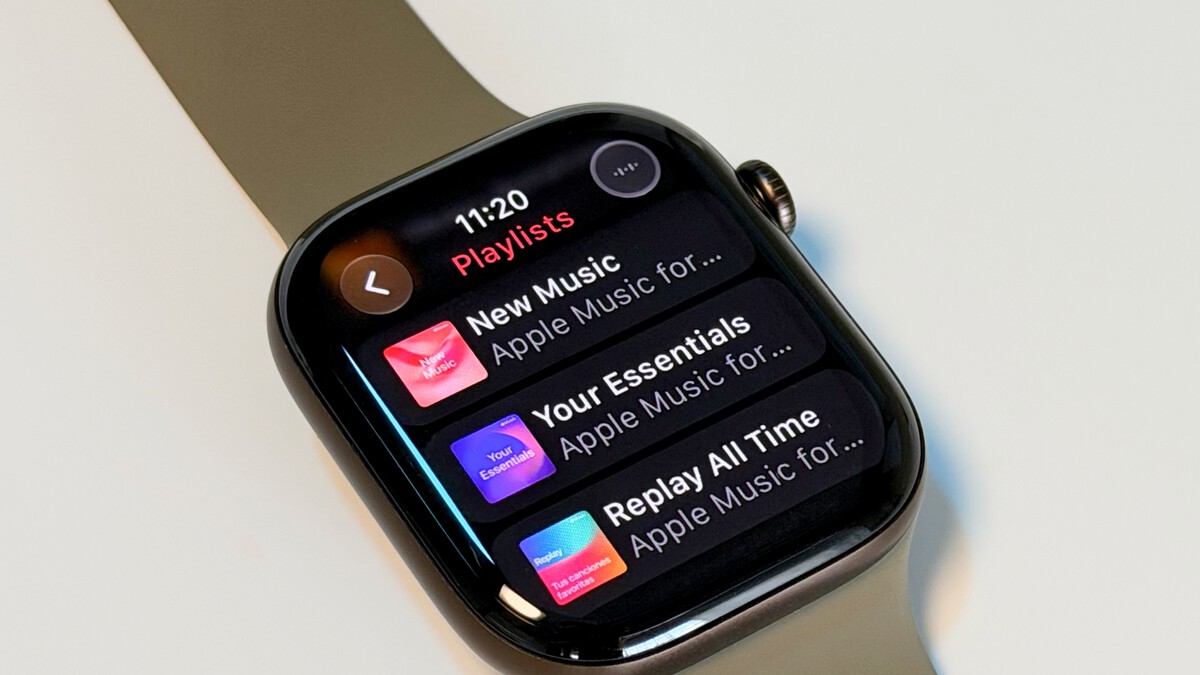
Disposition is a 0-to-10 score that indicates how ready you are for physical activity. It's similar to features found on Garmin, Oura, and Fitbit devices, but Apple offers it without a subscription. That's a significant advantage, as many competitors charge monthly fees for advanced metrics.
Performance and Battery Life
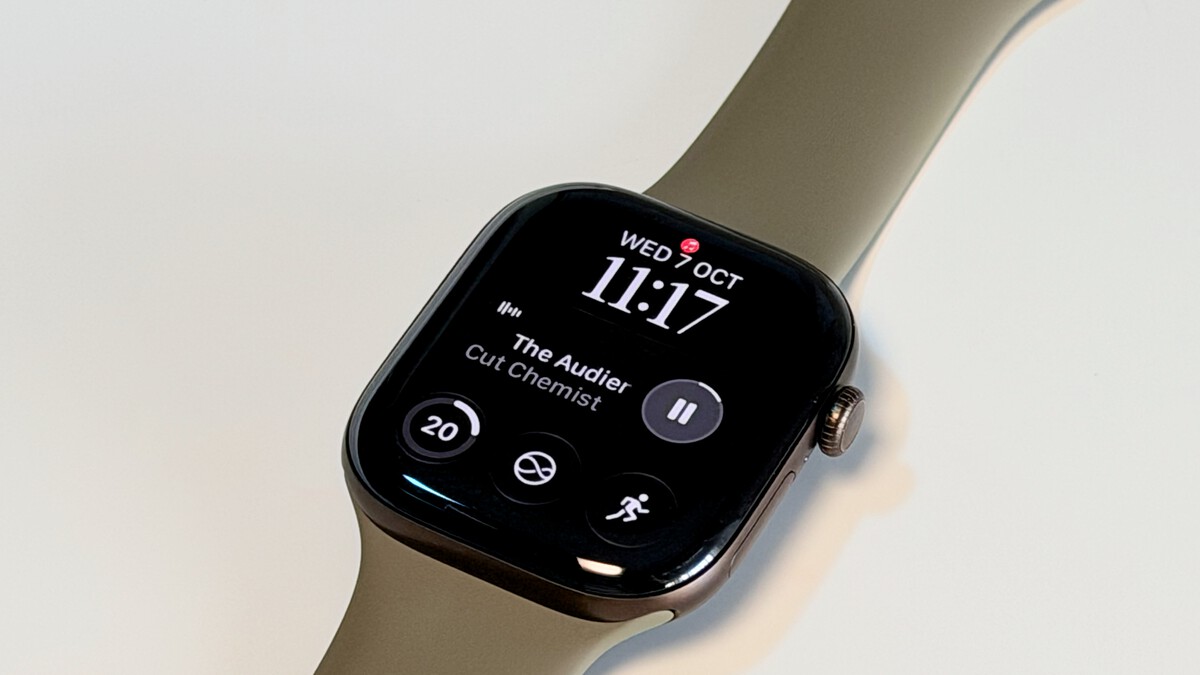
The S11 chip enables all these new capabilities without compromising battery life. Apple still claims 24 hours of usage, which is consistent with previous models. Fast charging has improved: 15 minutes of charging provides about 12 hours of use.
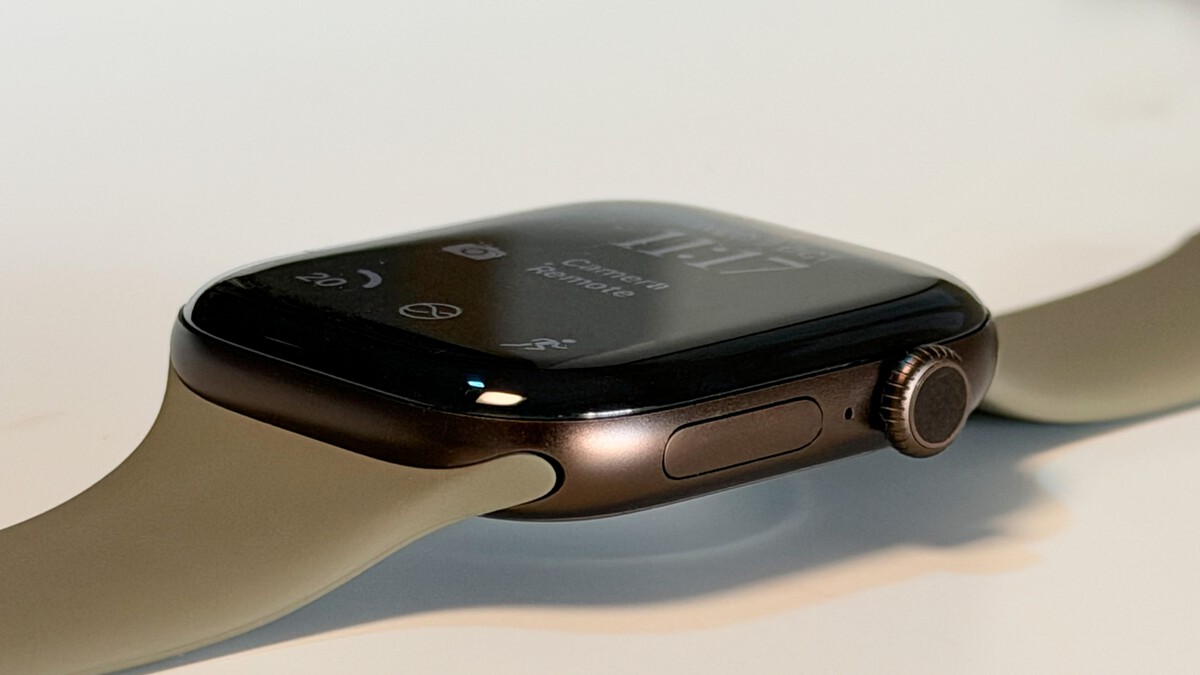
This means you can top up quickly before a workout or a night out, reducing downtime. The combination of continuous sensor readings and efficient processing is impressive, though we'll need real-world testing to confirm the battery claims.
Software and AI Features: A Mixed Bag in Europe
In Spain and the broader European Union, the AI features are limited. Siri AI is not available in the EU, and the two headline Audio Intelligence features have not yet launched in any market. Apple says they will arrive in beta "later this year," starting with English.
So for European users, the question is simpler: without the AI, is the Series 12 worth €449? In most cases, yes. The core health tracking improvements are available regardless of region, and they represent a meaningful upgrade. The longer history behind the story is traced in Apple Watch Series 12 Review: The Real Upgrade Is on the Back. More on the surrounding debate is collected in Huawei Watch D3: Wrist Blood Pressure Monitoring Made Simple.
Key Takeaways
- The new sensor array on the back enables continuous pulse and HRV monitoring, powering the Disposition recovery score.
- Disposition is available without a subscription, unlike similar features from Garmin, Oura, and Fitbit.
- The S11 chip maintains 24-hour battery life and improves fast charging (15 minutes for 12 hours of use).
- Design remains unchanged: same 9.7mm thickness, buttons, and 2,000-nit display.
- AI features like Siri AI and Audio Intelligence are not available in the EU, but the core health upgrades are.
Comparison with Previous Models and Competitors
| Feature | Apple Watch Series 12 | Apple Watch Series 11 | Garmin/ Oura/ Fitbit |
|---|---|---|---|
| Continuous pulse monitoring | Every 5 seconds | Not available | Varies by device |
| HRV tracking | Every 5 minutes | Limited | Varies |
| Recovery score | Disposition (0-10) | Not available | Available with subscription |
| Battery life | 24 hours | 24 hours | Up to several days |
| Fast charging | 15 min for 12 hours | Standard | Varies |
The table highlights that the Series 12's sensor upgrades are a clear step up from the Series 11, but competitors still offer longer battery life. However, Apple's integration and no-subscription model for Disposition could be a deciding factor for many users. The background to this story is set out in UK Credit Score Shake-Up: What TransUnion's New 999 Scale Means. A related thread runs through Last Seen Review: Apple TV Thriller Is a Must-Watch Show. Earlier coverage in Kids on Social Media at 11 Score Lower in School Tests shows how the argument developed.
Who Should Upgrade?
If you own a Series 11 or older and value health tracking, the Series 12 is a compelling upgrade. The continuous pulse and HRV monitoring provide a more complete picture of your recovery, and Disposition offers actionable insights without extra cost. A closer look at the same subject appears in Apple Watch 10 turned out to be the most accurate device for counting calories, according to a study. Anyone following the wider picture can start with The 19 best summer 2026 series to binge-watch - Grand Goldman. The same theme surfaces in Technology: latest articles, which takes a different angle.
If you're in the EU and were excited about AI features, you may want to wait. But if you're primarily interested in fitness and health metrics, the Series 12 delivers on its promises. Context on how this played out before sits in iPhone Duo Preorders Sell Out Fast: Delivery Dates Slip to 2027. A companion piece, Apple's 12 New Home Products: Europe Won't Get Full Access, approaches the same subject from another angle.
FAQ
What is Disposition on Apple Watch Series 12?
Disposition is a recovery score from 0 to 10 that indicates how ready your body is for physical activity. It's calculated using continuous pulse and heart rate variability data from the new sensor array.
Is the Apple Watch Series 12 worth €449?
For most users, yes. The health tracking improvements are significant, and Disposition is available without a subscription. However, if you were looking forward to AI features, they are not yet available in the EU.
Does the Series 12 have a new design?
No, the design is identical to the Series 11: same 9.7mm thickness, buttons, and 2,000-nit display. The changes are internal, primarily the sensor array.
How does battery life compare to previous models?
Battery life remains at 24 hours, but fast charging is improved: 15 minutes gives about 12 hours of use. This makes it easier to keep the watch charged.
Browse the Shop
 Acacia frida deluxe solid wood bed frame |
Bedroom bench |
Bed chest drawers |
Lingerie dresser |
Frame base |
Mirror with jewelry storage |
30 Bathroom Vanity |
Memory foam queen mattress |
Mattresses for back pain |
Nightstand set of 2 |
Grand Goldman Shop |
Civil Lawyer
Deutschland Trikot WM 2026







