

Google's plan to blend Android and Gemini into its Chromebook lineup is a clear move to overcome the biggest limitation of traditional Chromebooks: their reliance on the cloud and lack of powerful local apps. The company recently previewed its vision for "Googlebook," a new category of laptops that aims to bridge the gap between affordable Chromebooks and premium Windows machines.
The laptop market has long been divided into recognizable territories: Chromebooks as a simple, budget-friendly option, more affordable Windows laptops where compromises are often necessary, and premium devices playing in a different price league. That picture has started to change with the MacBook Neo, a device that has helped boost Mac sales. Google seems to have read that shift well. Googlebook appears to target that sweet spot: those seeking something more ambitious than a traditional Chromebook without necessarily entering the realm of the most exclusive laptops.
Find Original Home Decor sparking conversation at Grand Goldman Shop.

Google itself knows well where this story comes from. In its announcement, the company recalls that it introduced Chromebooks more than 15 years ago as laptops designed for a cloud-first world, a formula that found its place and continues to have potential. The issue is that this approach was born for a very specific stage of personal computing: fewer local applications, more browser, and more online services.
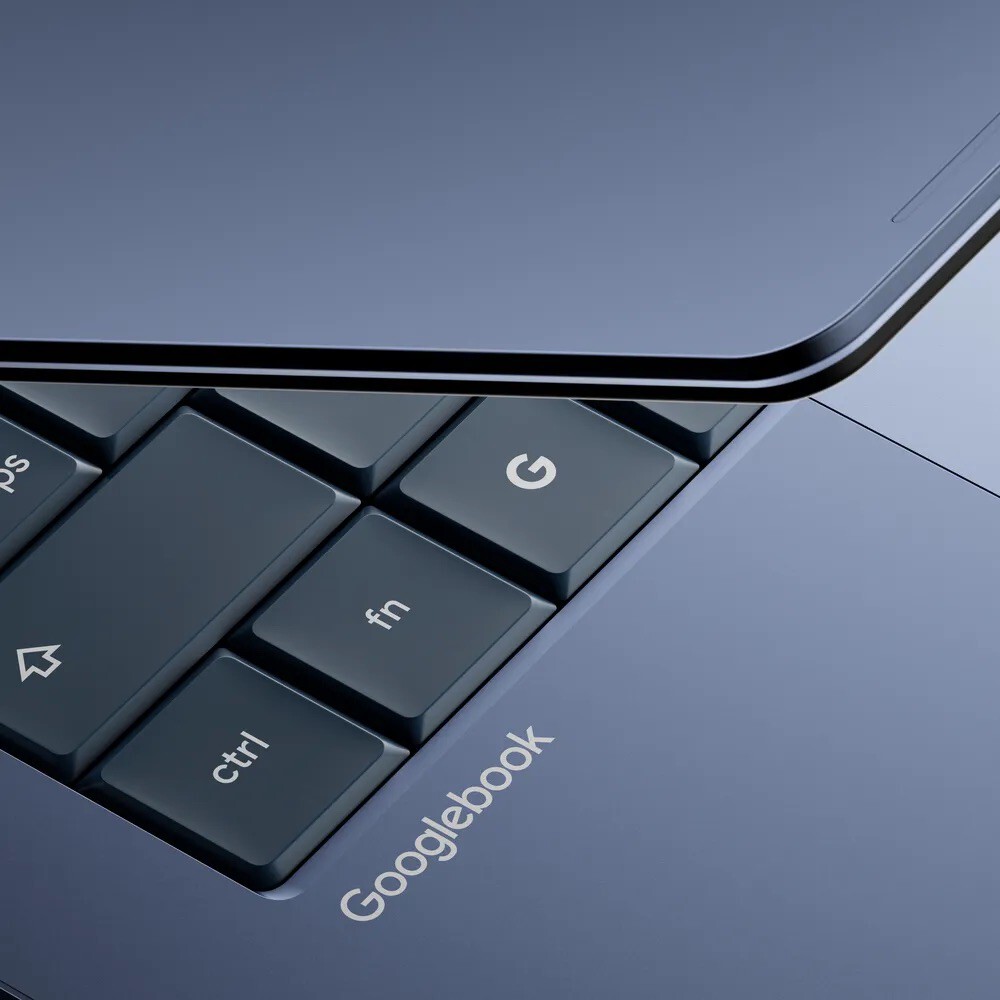
Why Google's Android and Gemini Integration Matters
The core of Google's plan is to integrate Android and Gemini more deeply into the laptop experience. This means users could run Android apps natively, without the need for emulators or workarounds, and leverage Gemini's AI capabilities for smarter, more contextual computing. This addresses the long-standing criticism that Chromebooks are too dependent on the web and lack the local processing power for demanding tasks.
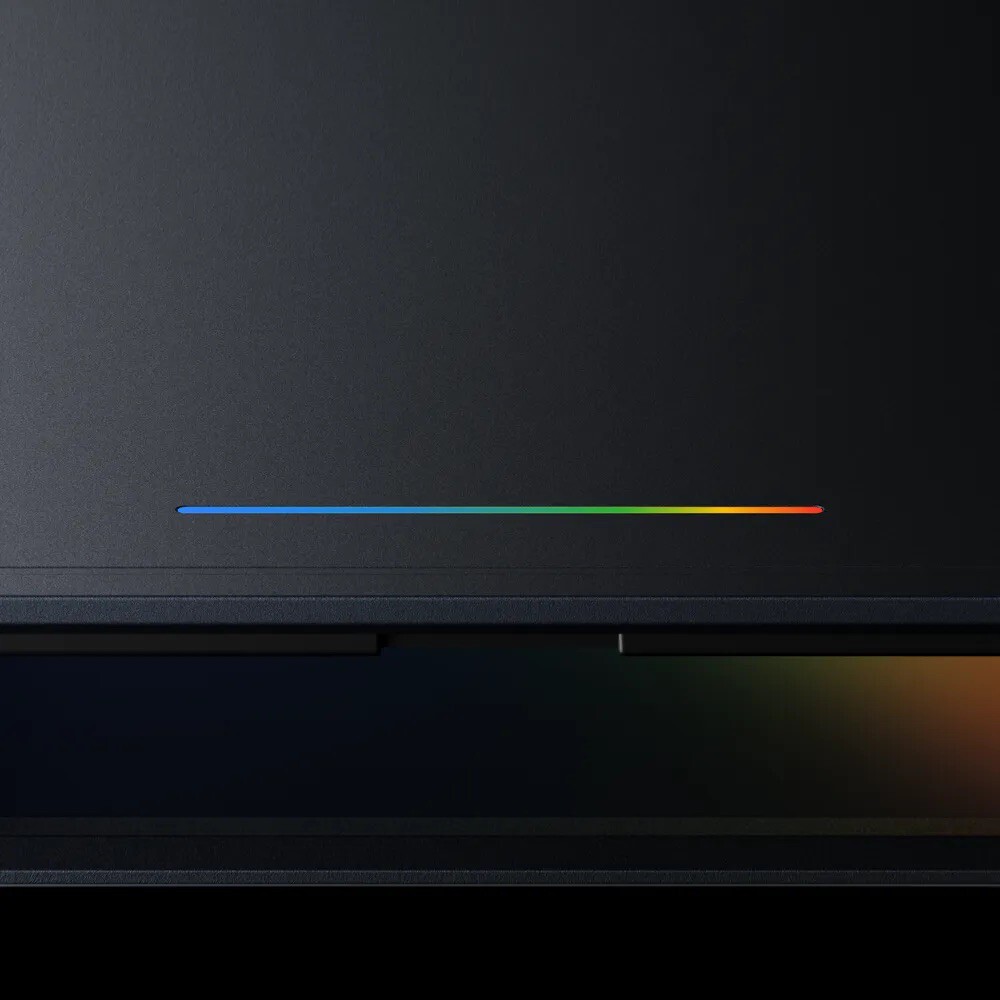
By bringing Android into the fold, Google is essentially expanding the app ecosystem available to Chromebook users. No longer will they be limited to web apps and a handful of optimized Android apps; they'll have access to the vast Android app library, which includes many productivity and creative tools that were previously unavailable or poorly supported.
Gemini, Google's AI model, adds another layer. It can assist with tasks like writing, coding, and data analysis, making the laptop more of a proactive assistant than a passive tool. This is particularly important as AI becomes a standard feature in modern operating systems, and Google aims to stay ahead.
What Googlebook Means for the Laptop Market
Googlebook is not just a product; it's a statement. By previewing the experience before any concrete products are on store shelves, Google is signaling its intent to compete more directly with Windows and Mac laptops. The first devices are expected to arrive in the fall, with Google promising to share more details along with its partners.
This move could disrupt the market in several ways. For one, it puts pressure on Windows laptop makers to offer better value at the low end, where Chromebooks have traditionally dominated. It also gives consumers a reason to consider a Chromebook-like device for more demanding tasks, potentially cannibalizing sales of mid-range Windows laptops.
Moreover, Google's emphasis on Android and Gemini could attract developers to create more powerful apps for the platform, further closing the gap with traditional operating systems. This virtuous cycle could make Googlebook a viable primary computer for many users.
Key Takeaways for Consumers and Businesses
- Enhanced app ecosystem: Native Android app support means access to millions of apps, including productivity and creative tools.
- AI-powered productivity: Gemini integration brings smart assistance for writing, coding, and data analysis.
- Better performance: Local processing for Android apps reduces reliance on the cloud, improving speed and offline capabilities.
- Market disruption: Googlebook could pressure both budget Windows laptops and premium Chromebooks.
- Fall arrival: First devices expected in autumn, with more details to come from Google and partners.
Comparing Googlebook to Traditional Chromebooks and Windows Laptops
| Feature | Traditional Chromebook | Googlebook (Expected) | Windows Laptop |
|---|---|---|---|
| App Ecosystem | Web apps, limited Android apps | Full Android app library + web | Full Windows app library |
| AI Integration | Limited | Deep Gemini integration | Varies by manufacturer |
| Local Processing | Minimal | Enhanced for Android apps | Full local processing |
| Price Range | Budget | Mid-range (expected) | Budget to premium |
| Target Audience | Students, casual users | Prosumers, professionals | Broad, including gamers and professionals |
The Road Ahead: What to Watch
As we await the fall launch, several questions remain. How will Google price these devices? Will they be competitive with similarly spec'd Windows laptops? And perhaps most importantly, will developers embrace the platform and create high-quality Android apps optimized for larger screens and keyboard/mouse input? The background to this story is set out in Googlebook Laptops: Android Integration Takes on MacBook Neo. A related thread runs through Android 17 Fixes Instagram Photo Pixelation for Android Users. Earlier coverage in Lenovo Chromebook Duet Gen 9: The Ultimate 2-in-1 for Work and Study shows how the argument developed.
Google's track record with Android on tablets has been mixed, but the company has learned from past mistakes. The success of Googlebook will depend on execution: seamless integration, robust performance, and a compelling user experience that justifies the shift from traditional Chromebooks. A closer look at the same subject appears in Google Pixel Tag: The AirTag for Android Finally Arrives. Anyone following the wider picture can start with Google's Continue On Brings Seamless App Handoff to Android. The same theme surfaces in Google's Android 12 Update Fights Deepfake Call Scams, which takes a different angle.
For now, Google's plan is clear: by blending Android and Gemini, it aims to eliminate the biggest limit of Chromebooks—their cloud-first, app-limited nature—and offer a more versatile, powerful laptop experience. If successful, this could redefine the budget and mid-range laptop market, giving consumers more choice and forcing competitors to innovate. Context on how this played out before sits in Android Fragmentation Returns: AI Features Create New Divide. A companion piece, This is the most powerful Android smartphone in the world!, approaches the same subject from another angle.
FAQ
What is Googlebook?
Googlebook is Google's upcoming line of laptops that integrates Android and Gemini more deeply, aiming to offer a more powerful and versatile alternative to traditional Chromebooks. It targets users who want more than a basic Chromebook but don't need a premium Windows or Mac laptop.
When will Googlebook devices be available?
Google has announced that the first Googlebook devices are expected to arrive in the fall. The company promises to share more details, including specific models and pricing, closer to launch.
How does Googlebook improve on traditional Chromebooks?
Googlebook addresses the biggest limitation of Chromebooks by adding native Android app support and Gemini AI integration. This means users can run a wider range of local applications, enjoy AI-powered productivity features, and reduce reliance on the cloud for everyday tasks.
Will Googlebook run Windows applications?
No, Googlebook is not designed to run Windows applications natively. It focuses on Android apps and web apps, along with Gemini AI capabilities. Users who need Windows software should consider a Windows laptop.
Browse the Shop
 Acacia frida deluxe solid wood bed frame |
Bedroom bench |
Bed chest drawers |
Lingerie dresser |
Frame base |
Mirror with jewelry storage |
30 Bathroom Vanity |
Memory foam queen mattress |
Mattresses for back pain |
Nightstand set of 2 |
Grand Goldman Shop |
Civil Lawyer
Deutschland Trikot WM 2026







