

Huawei Watch D3 is the latest smartwatch to bring blood pressure monitoring directly to your wrist, and after a week of use, it feels surprisingly ordinary—in the best way. If you already wear a smartwatch, you're used to it tracking your sleep, heart rate, and stress. But this device goes further: it inflates a strap around your wrist to take a reading, much like a traditional cuff.
That moment of feeling the band tighten is odd at first, but it quickly becomes routine. Huawei's pitch is clear: health monitoring shouldn't be confined to a clinic. The Watch D3 aims to make checking your blood pressure as normal as glancing at your step count.
Find Original, High-end Home Decor that spark conversation at Grand Goldman Shop.
What Is the Huawei Watch D3?
The Huawei Watch D3 is the third generation in Huawei's Watch D series, which focuses on wrist-based blood pressure measurement. Unlike most smartwatches that use optical sensors to estimate heart rate, the Watch D3 uses a micro-pump and an inflatable strap to occlude blood flow and measure pressure—similar to a standard cuff.
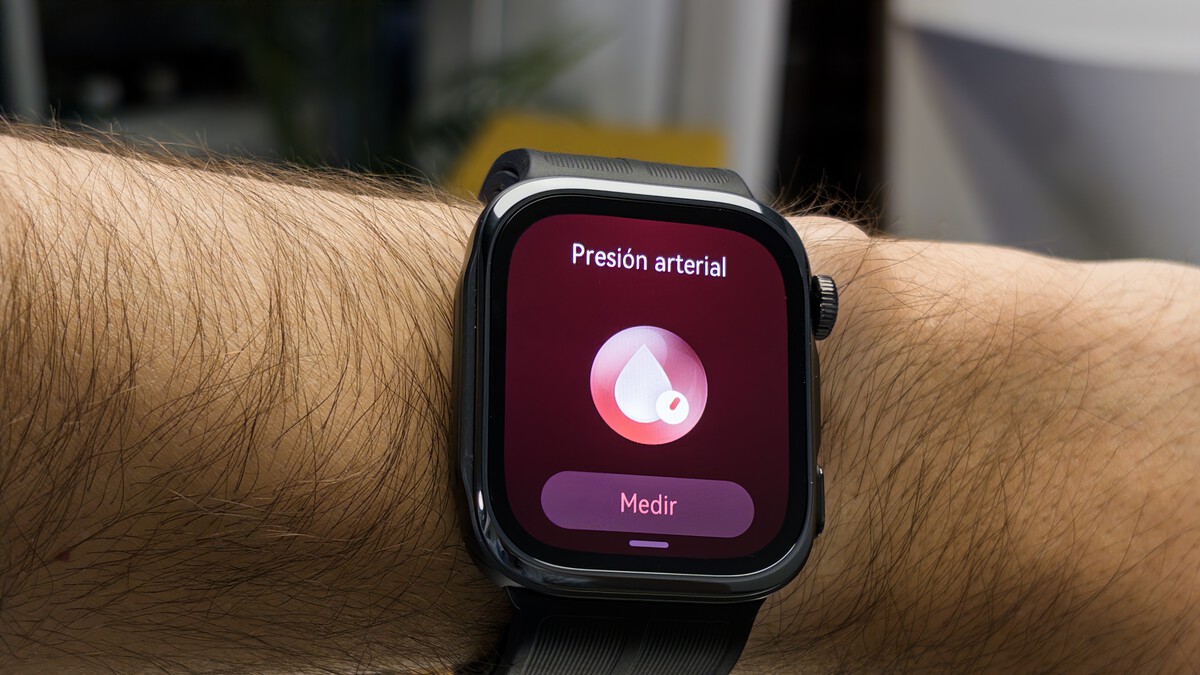
Huawei has been pushing into health tech for years, and the Watch D line is its most ambitious attempt yet to move beyond basic fitness tracking. The company presented the D3 in Madrid, alongside a study conducted with the Hospital Clínico San Carlos using the previous Watch D2.
The Hospital Study Behind the Tech
That study compared the Watch D2 against 24-hour ambulatory blood pressure monitoring (ABPM)—the gold standard for hypertension diagnosis—in patients with hypertension. The results haven't been fully detailed in the presentation, but the fact that Huawei is investing in clinical validation signals it wants credibility, not just hype.

For anyone managing high blood pressure, that validation matters. A wearable that can reliably track blood pressure throughout the day could help spot patterns that a single clinic reading misses.
First Impressions: Living with the Watch D3
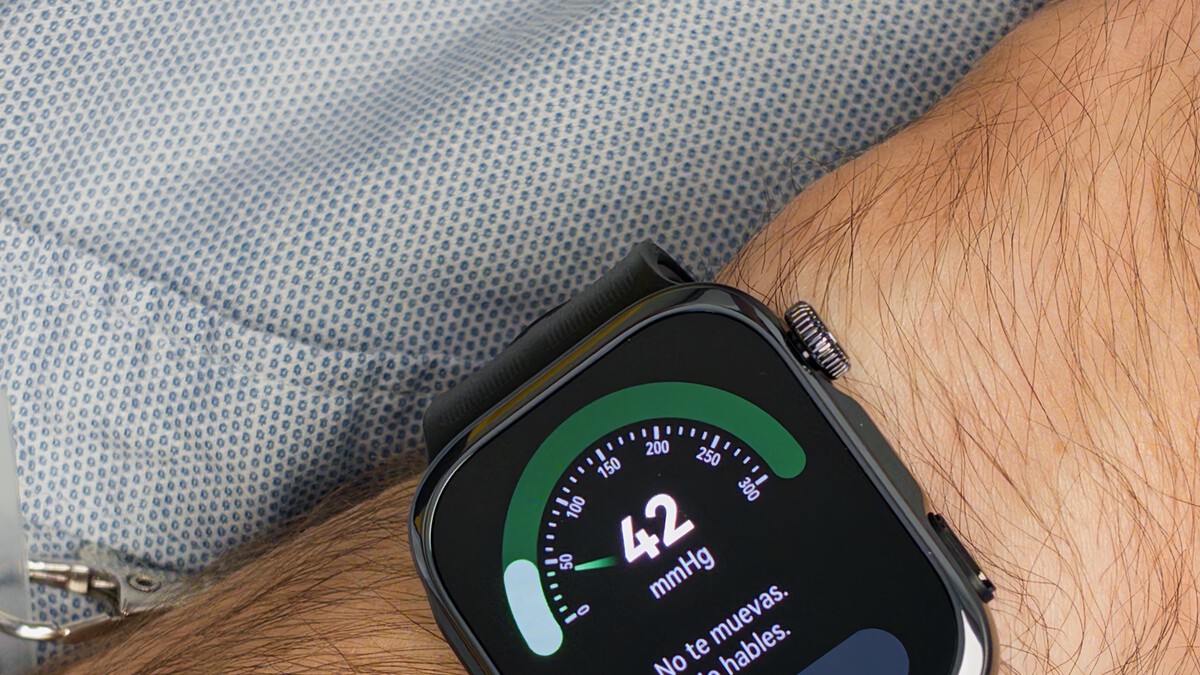
Before you take a measurement, there's a step that's more important than usual: choosing the right strap size. Huawei includes multiple sizes in the box, and getting a proper fit is crucial for accurate readings. Once set up, the measurement process is straightforward: you sit still, rest your arm, and tap to start.
The strap inflates gradually, applying pressure to your wrist. It's not painful, but it's noticeable—a gentle squeeze that lasts about 30 seconds. After that, the reading appears on the screen. In my time with the device, the numbers seemed consistent with a home cuff, though I didn't run a side-by-side comparison.
What struck me most is how quickly the novelty fades. After a few days, checking my blood pressure became as automatic as checking notifications. That's exactly the kind of normalization Huawei is aiming for.
Key Features and Considerations
- Inflatable strap: Uses a micro-pump to measure blood pressure, not just estimate it.
- Clinical backing: Huawei cites a hospital study comparing the Watch D2 to 24-hour ABPM.
- Fit matters: Multiple strap sizes are included; correct sizing is essential for accuracy.
- Everyday wear: Designed to be worn all day, not just for measurements.
- Health ecosystem: Part of Huawei's broader push into health monitoring.
How the Watch D3 Compares to Traditional Monitors
Traditional blood pressure cuffs are bulky and usually stay at home. The Watch D3's advantage is portability and frequency—you can take readings anywhere, anytime. But it's not a replacement for medical-grade equipment, and Huawei is careful to position it as a monitoring tool, not a diagnostic device.
| Feature | Huawei Watch D3 | Traditional Home Cuff | Standard Smartwatch |
|---|---|---|---|
| Blood pressure measurement | Yes, via inflatable strap | Yes, via arm cuff | No (estimates only) |
| Portability | Wearable all day | Bulky, not portable | Wearable all day |
| Clinical validation | Hospital study (D2 model) | Varies by device | Limited |
| Continuous monitoring | On-demand readings | On-demand readings | Heart rate only |
The table makes it clear: the Watch D3 sits between a medical device and a consumer gadget. It's more convenient than a cuff and more capable than a standard smartwatch, but it's not a substitute for professional medical advice.
Who Is This For?
The Watch D3 is aimed at people who need to keep an eye on their blood pressure—especially those with hypertension or a family history of it. It's also for health enthusiasts who want deeper insights into their cardiovascular health.
But it's not for everyone. If you don't need blood pressure monitoring, a standard smartwatch will do. And if you have serious heart conditions, always consult your doctor before relying on any wearable.
The Bigger Picture: Wearables and Preventive Health
Huawei's move reflects a broader trend: wearables are becoming health tools, not just fitness trackers. Apple, Samsung, and others are adding ECG and blood oxygen monitoring. Blood pressure is the next frontier, and Huawei is ahead of the curve with the Watch D series.
For older adults, in particular, a device like this could be a game-changer. It allows them to monitor their blood pressure without needing to visit a clinic or handle a separate device. That ease of use could improve adherence to regular monitoring. The background to this story is set out in Huawei Watch D3: Medical Blood Pressure Smartwatch Launch. A related thread runs through iHealth Wireless Bluetooth Blood Pressure Monitor Review. Earlier coverage in Ukraine warehouse strikes bring war closer to ordinary Russians shows how the argument developed.
What to Watch Next
The Watch D3's success will depend on how accurate it proves in real-world use and whether regulators accept it as a valid monitoring tool. Huawei's hospital study is a step in that direction, but more data is needed. A closer look at the same subject appears in Technology: latest articles. Anyone following the wider picture can start with Apple Watch Series 12 Review: The Real Upgrade Is on the Back. The same theme surfaces in 2026 RAM Crisis: Is a High-End Smartphone Still Worth Buying, which takes a different angle.
For now, the Watch D3 feels like a glimpse into the future of everyday health tracking—one where checking your blood pressure is as simple as checking the time. Context on how this played out before sits in What We Value in a Streaming Platform in 2026 Beyond Price. A companion piece, Huawei Watch D3: Wrist Blood Pressure Monitoring Made Simple, approaches the same subject from another angle.
FAQ
How accurate is the Huawei Watch D3 for blood pressure?
Huawei claims the Watch D3 is validated by a hospital study, but independent verification is still limited. It's designed for monitoring, not diagnosis, so always consult a doctor for medical decisions.
Does the Watch D3 hurt when it inflates?
Most users describe the sensation as a gentle squeeze, not pain. The strap inflates for about 30 seconds during a reading, similar to a standard cuff.
Can I wear the Watch D3 all day?
Yes, the Watch D3 is designed for all-day wear. It tracks heart rate, sleep, and stress like other smartwatches, and you can take blood pressure readings whenever needed.
Is the Watch D3 suitable for elderly users?
Yes, it can be particularly useful for older adults who need regular blood pressure monitoring. The inflatable strap may take some getting used to, but the convenience of wrist-based measurement is a major advantage.
Browse the Shop
 Acacia frida deluxe solid wood bed frame |
Bedroom bench |
Bed chest drawers |
Lingerie dresser |
Frame base |
Mirror with jewelry storage |
30 Bathroom Vanity |
Memory foam queen mattress |
Mattresses for back pain |
Nightstand set of 2 |
Grand Goldman Shop |
Civil Lawyer
Deutschland Trikot WM 2026










