

OnePlus, the brand that once promised high-end smartphones at impossible prices, has officially announced its exit from the United States and Europe. The news marks the end of an era for a company that built its reputation on being different from the establishment.
For years, OnePlus fans hoped the brand would recapture its early magic. Instead, the exit confirms what many industry watchers suspected: the flagship killer could no longer compete in the world's toughest markets.
Find Original Home Decor sparking conversation at Grand Goldman Shop.

The Promise That Built OnePlus
When OnePlus launched in 2014, it sold a simple but powerful idea: flagship performance without the flagship price. That promise turned it into one of the most beloved Android brands of the past decade.
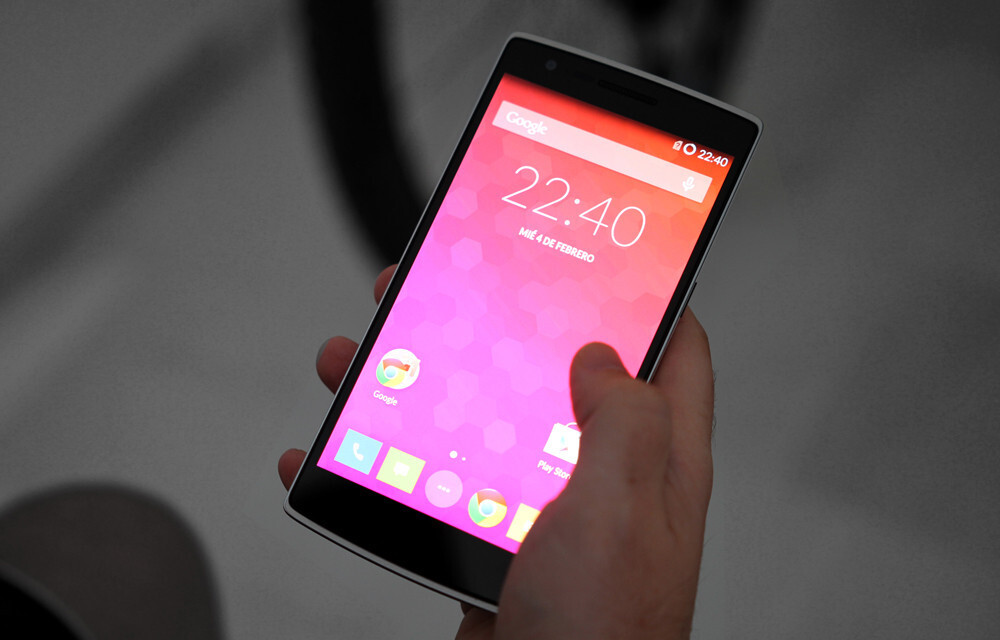
Early devices like the OnePlus One and OnePlus 6 offered impressive specs at prices that seemed unsustainable. Fans rewarded the company with loyalty and word-of-mouth marketing that money couldn't buy.
But that same promise, gradually broken over the last ten years, is now a big part of why the company is leaving two of its most important and competitive markets.
What Happened: The Official Announcement
On Monday, German outlet WinFuture reported that OnePlus and its parent company, Oppo, were preparing an announcement about "fundamental strategic changes" for this week. The announcement is now official: OnePlus is withdrawing from the US and Europe.
According to 9to5Google, the brand has suffered "years of missteps and neglect" that foreshadowed this outcome. The plan is that there will be no more launches of OnePlus phones, tablets, or wearables in Europe.
This means no new OnePlus hardware for European consumers, and likely a similar fate for the US market. Existing devices will still work, but the brand's future in these regions is effectively over.
Why OnePlus Lost Its Way
The seeds of the decline were planted years ago. As OnePlus tried to become a mainstream premium brand, it raised prices and moved away from the value proposition that made it famous.
At the same time, competition intensified. Rivals like Xiaomi, Samsung, and Google offered compelling alternatives at every price point. OnePlus struggled to stand out.
The company also became more integrated with Oppo, leading to overlapping products and diluted brand identity. Consumers began to question what OnePlus stood for.
Key Factors Behind the Retreat
- Rising prices: OnePlus flagships became as expensive as established rivals, eroding the value advantage.
- Intense competition: Aggressive offerings from Xiaomi, Samsung, and Google squeezed OnePlus from all sides.
- Brand dilution: Closer ties with Oppo blurred the line between the two brands.
- Inconsistent strategy: Shifting focus between flagship killer and premium flagship confused loyal fans.
- Market saturation: US and Europe are mature markets where growth is hard to achieve.
What This Means for Consumers
For current OnePlus owners, the immediate impact is limited. Existing phones will continue to receive updates for a time, though the long-term support picture is uncertain.
For those considering a new OnePlus device, availability will become scarce. Retailers may sell remaining stock, but no new models will arrive.
The exit also signals broader consolidation in the smartphone industry. Smaller brands are finding it increasingly difficult to compete against giants with vast resources.
OnePlus vs. Competitors: A Changing Landscape
The table below summarizes how OnePlus's position has shifted over time compared to key rivals.
| Aspect | OnePlus (Early Years) | OnePlus (Recent Years) | Key Competitors |
|---|---|---|---|
| Price positioning | Flagship killer (affordable) | Premium (close to rivals) | Xiaomi (value), Samsung (premium) |
| Brand identity | Community-driven, disruptive | Blurred with Oppo | Clear differentiation |
| Market presence | Expanding globally | Retreating from US/Europe | Strong global footprint |
| Product lineup | Focused on flagships | Expanded to mid-range and wearables | Diverse portfolios |
What to Watch Next
OnePlus's exit raises questions about Oppo's global strategy. Will Oppo absorb OnePlus's customers, or will it also scale back in Western markets? The background to this story is set out in OnePlus 15 and Ace 6 officially launched – with mammoth batteries and 165Hz displays. A related thread runs through HSBC Closes Australian Branches, Exits Retail Banking. Earlier coverage in HSBC Exits Australia Retail Banking: What It Means for You shows how the argument developed.
For Android fans, the lesson is clear: brand loyalty is fragile when promises are broken. The flagship killer era is over, and the market is poorer for it. A closer look at the same subject appears in Google Pixel Watch 4: Officially announced with big changes. Anyone following the wider picture can start with Amazfit T-Rex Ultra 2: Officially Announced, Solves and Beats. The same theme surfaces in Realme 16 Pro+: Officially announced with 200MP main camera and 7,000mAh battery, which takes a different angle.
As the smartphone industry consolidates, consumers may face fewer choices and higher prices. That's a stark contrast to the disruption OnePlus once promised. Context on how this played out before sits in Samsung Galaxy S25 FE: It's officially announced and we don't know why. A companion piece, Huawei Mate XTs: New Tri-Fold officially announced with a lower price, approaches the same subject from another angle.
FAQ
Why is OnePlus leaving the US and Europe?
OnePlus is exiting due to years of missteps, rising prices, and intense competition that eroded its value proposition. The company and its parent Oppo decided to refocus on other markets.
Will my OnePlus phone still get updates?
Existing devices will continue to work, but long-term software support is uncertain. OnePlus has not specified how long it will update phones in affected regions.
Can I still buy a OnePlus phone in the US or Europe?
Retailers may sell remaining stock, but no new models will be launched. Availability will diminish over time.
What does this mean for the future of OnePlus?
OnePlus will likely focus on markets like India and China, where it remains strong. Its global ambitions in Western markets are effectively over.
Browse the Shop
 Acacia frida deluxe solid wood bed frame |
Bedroom bench |
Bed chest drawers |
Lingerie dresser |
Frame base |
Mirror with jewelry storage |
30 Bathroom Vanity |
Memory foam queen mattress |
Mattresses for back pain |
Nightstand set of 2 |
Grand Goldman Shop |
Civil Lawyer
Deutschland Trikot WM 2026







