

The Raspberry Pi 5 price surge has turned the beloved budget mini PC into a luxury item. Once celebrated for its affordability, the latest 16GB model now costs a staggering $350 at Adafruit, or €313.03 with VAT at Spanish retailer Raspipc.es. That's ten times the price of the original Raspberry Pi, a shocking shift for a device that built its reputation on being cheap and accessible.
This dramatic increase is not due to a sudden jump in manufacturing costs or a new feature set. Instead, it's the result of a global memory crisis that has sent RAM prices soaring. The Raspberry Pi 5, which uses LPDDR4X memory, is caught in the crossfire, and consumers are feeling the pinch.
Find Original Home Decor sparking conversation at Grand Goldman Shop.

Why Is the Raspberry Pi 5 So Expensive Now?
The answer lies in the memory crisis that has been gripping the tech industry. A combination of factors, including supply chain disruptions, increased demand for memory in data centers, and a shift in production priorities, has led to a severe shortage of RAM chips. This shortage has driven up prices across the board, but small form-factor devices like the Raspberry Pi 5 are particularly vulnerable because they rely on specialized low-power memory.
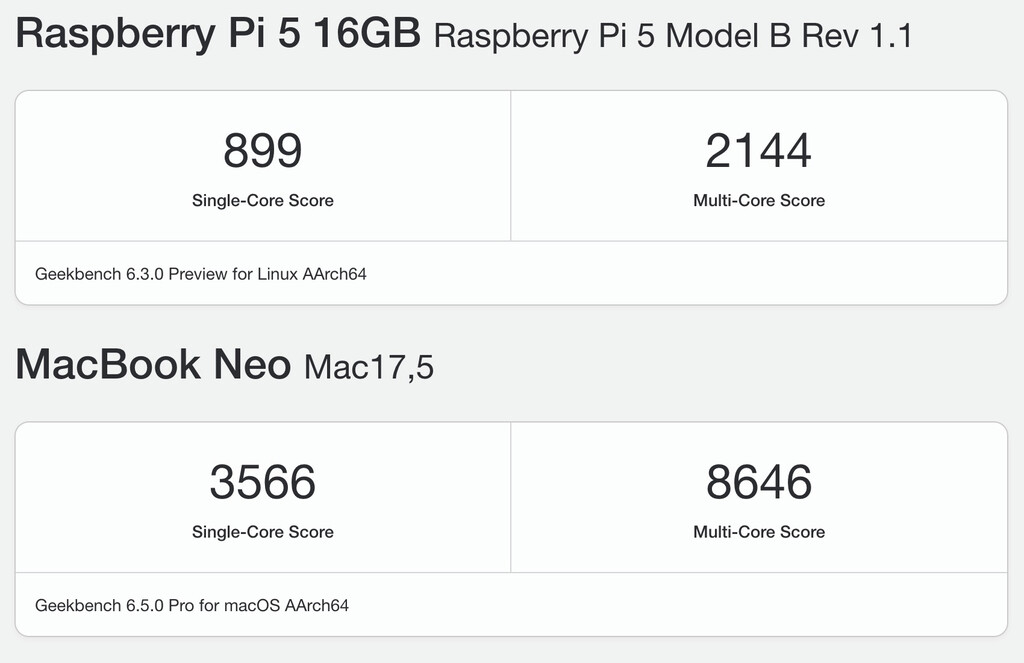
Raspberry Pi models have historically been priced to be accessible to hobbyists, students, and educators. The 16GB variant, which was already a premium option, now sits at a price point that rivals full-fledged computers. For example, in Spain, the MacBook Neo costs €699, meaning two Raspberry Pi 5 boards would set you back nearly as much as a complete laptop.
The Original Promise vs. Today's Reality
When the first Raspberry Pi launched in 2012, it cost just $35. Its goal was to make computing accessible to everyone, especially in education. Over the years, subsequent models have gradually increased in price, but the Raspberry Pi 5's 16GB version represents a quantum leap. At $350, it's no longer an impulse buy for tinkerers; it's a considered investment.
This shift has left many in the community questioning whether the Raspberry Pi Foundation has lost sight of its original mission. While the foundation still offers cheaper models (the 4GB version is more affordable), the flagship 16GB model is now out of reach for many.
How Does the Raspberry Pi 5 Compare to Other Mini PCs?
When you look at the specs, the Raspberry Pi 5 is a capable little machine. It features a quad-core ARM Cortex-A76 CPU, up to 16GB of RAM, dual 4K display support, and a range of I/O options. However, at $350, it competes with x86-based mini PCs that offer similar or better performance for the same price.
For instance, you can find Intel N100-based mini PCs with 16GB of RAM and a 512GB SSD for around $200-$250. These devices run full Windows or Linux and are more versatile for general computing tasks. The Raspberry Pi 5's advantage lies in its GPIO pins and community support, but for many users, that's not enough to justify the premium.
| Device | Price (USD) | RAM | Storage | Processor |
|---|---|---|---|---|
| Raspberry Pi 5 (16GB) | $350 | 16GB LPDDR4X | microSD (not included) | ARM Cortex-A76 |
| Intel N100 Mini PC | $220 | 16GB DDR4 | 512GB SSD | Intel N100 |
| MacBook Neo (base) | $599 | 8GB | 256GB SSD | Apple M1 |
As the table shows, the Raspberry Pi 5 is significantly more expensive than comparable mini PCs while offering less built-in storage and a less familiar architecture. For users who don't need GPIO, the value proposition is weak.
What Does This Mean for the Raspberry Pi Community?
The community is understandably concerned. Many hobbyists and educators rely on the Raspberry Pi for affordable projects. At $350, the 16GB model is out of reach for classroom sets or personal experimentation. The foundation has stated that it is working to mitigate the impact, but the memory crisis shows no signs of abating soon.
Some users are turning to older models or alternative boards like the Orange Pi or Rock Pi, which may offer better value. Others are simply waiting for prices to normalize. However, if the crisis continues, the Raspberry Pi 5 could become a niche product for industrial users rather than a mainstream hobbyist tool.
- Price hike: The 16GB Raspberry Pi 5 now costs $350, ten times the original Pi.
- Memory crisis: Global RAM shortages are driving up costs for all devices, especially small-form-factor ones.
- Competition: At this price, x86 mini PCs offer better value for general computing.
- Community impact: Educators and hobbyists may be priced out, altering the Pi's ecosystem.
- Future outlook: Prices may drop if memory supply improves, but no timeline is clear.
Should You Still Buy a Raspberry Pi 5?
If you need the specific features of the Raspberry Pi 5—such as the GPIO pins, the active cooler support, or the compact form factor—and you have a project that justifies the cost, it might still be worth it. However, for general-purpose computing or learning, there are more cost-effective options. The background to this story is set out in Raspberry Pi Price Surge: How ESP32 Became the Go-To Chip for DIY. A related thread runs through Nintendo Switch 2 Price Increase: Why Buying Today Saves You Money. Earlier coverage in Nvidia Shield TV Pro Price Hike: 50% Increase Due to Memory Shortage shows how the argument developed.
Consider the 4GB or 8GB models, which are less affected by the price surge and still offer excellent performance for most tasks. Alternatively, look at used Raspberry Pi 4 models, which are plentiful and affordable. A closer look at the same subject appears in Apple iPhone Price Increase: Why Every Model Costs More Now. Anyone following the wider picture can start with Microsoft Windows Memory Optimization: Slimming Down for a RAM Crisis. The same theme surfaces in RAM Crisis 2028: Why Memory Prices Keep Rising and What to Expect, which takes a different angle.
What to Watch Next
The key factor will be the trajectory of memory prices. If the crisis eases, we may see Raspberry Pi 5 prices come down. The foundation has hinted at possible subsidies or alternative sourcing, but nothing concrete has been announced. In the meantime, keep an eye on retailer prices and consider alternatives if you're on a budget. Context on how this played out before sits in Smartphone Memory Crisis: Why DRAM Is Now the Most Expensive Part. A companion piece, Xbox Price Increase 2026: Microsoft Raises Console Costs Worldwide, approaches the same subject from another angle.
FAQ
Why did the Raspberry Pi 5 price increase so much?
The price increase is primarily due to a global memory crisis that has driven up the cost of RAM. The Raspberry Pi 5 uses LPDDR4X memory, which is in short supply, forcing manufacturers to raise prices.
Is the Raspberry Pi 5 still worth buying?
It depends on your needs. If you require GPIO access and the unique features of the Pi, it may be worth it. However, for general computing, there are more affordable alternatives like x86 mini PCs.
Will Raspberry Pi 5 prices go down soon?
That's uncertain. It depends on when the memory supply chain normalizes. Some experts predict prices could remain high for several months or even years.
What are the alternatives to the Raspberry Pi 5?
Consider older Raspberry Pi models (4GB or 8GB), other single-board computers like Orange Pi or Rock Pi, or x86 mini PCs with Intel N100 processors.
Browse the Shop
 Acacia frida deluxe solid wood bed frame |
Bedroom bench |
Bed chest drawers |
Lingerie dresser |
Frame base |
Mirror with jewelry storage |
30 Bathroom Vanity |
Memory foam queen mattress |
Mattresses for back pain |
Nightstand set of 2 |
Grand Goldman Shop |
Civil Lawyer
Deutschland Trikot WM 2026







